

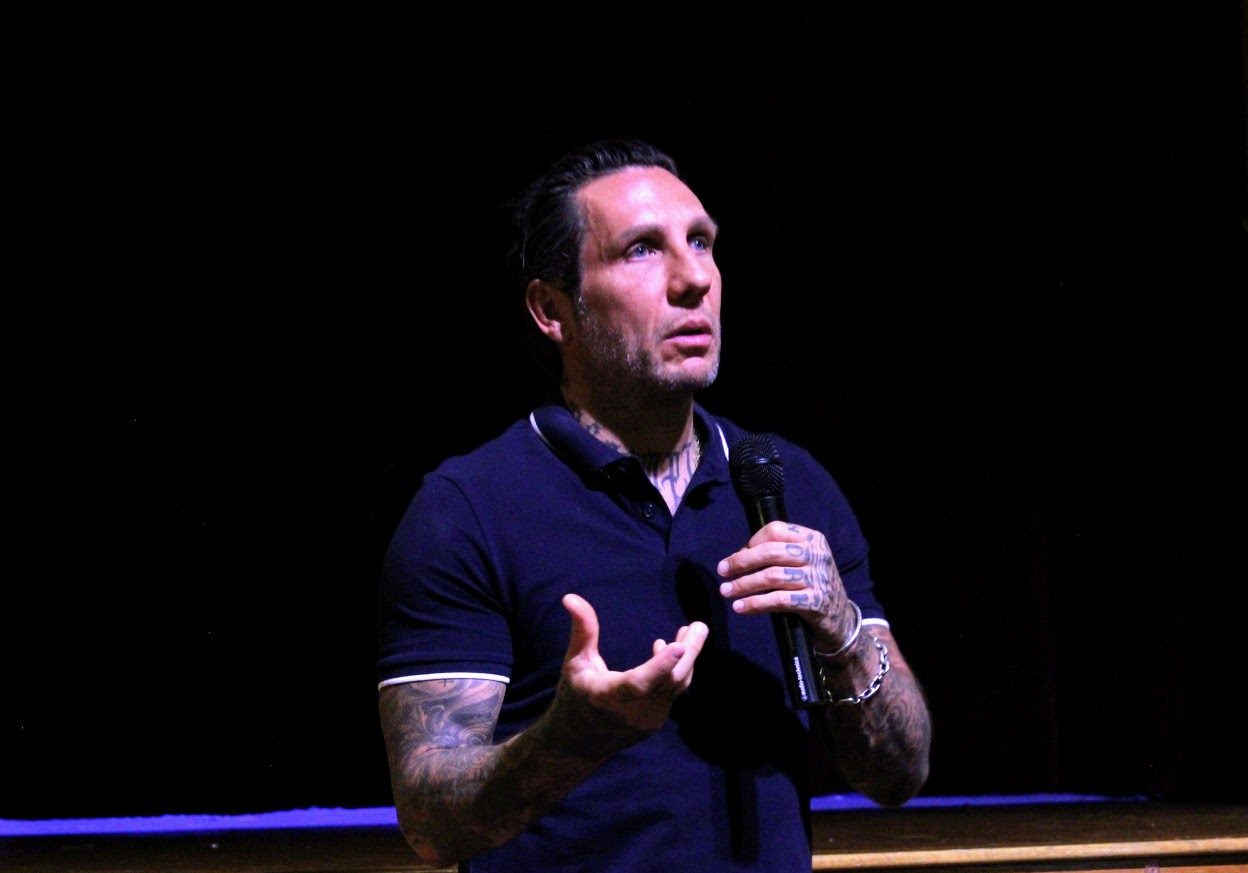

From Delusion to Redemption: Brandon Novak’s Powerful Message at the 2026 Salem County Opioid Summit
Disclaimer: There is content on this post some may find offensive. Please be advised.
CARNEYS POINT TWP, NJ – The 2026 Salem County Opioid Summit recently convened at Salem Community College, bringing together a diverse array of stakeholders from law enforcement, mental health and addiction services, and the community. While the summit highlighted crucial collaborative efforts and stark realities of the opioid epidemic, it was the profoundly personal and graphic account of Brandon Novak, a former professional skateboarder and now a beacon of recovery, that resonated most deeply, offering a raw, unfiltered look into the heart of addiction and the arduous journey back.
Novak, whose early life was marked by success in skateboarding, including endorsements from Gatorade and commercials with Michael Jordan, painted a vivid picture of how addiction created a “delusional narrative” in his mind. He described this as a state where he believed he was an “asset” when, in reality, he was a “liability,” a common theme that permeated his life from his early skateboarding career through his involvement with “Jackass” and “Viva la Bam.”
The “Alcoholic Brain” and the Process of Elimination
A central tenet of Novak’s speech was the concept of the “alcoholic brain,” which he explained “always lied to me in my own voice” and whose job is to “every day all day deflect, justify, and minimize the reality and severity of my drinking or drugging.” This internal battle, he revealed, made him resistant to countless interventions.
His path to sobriety wasn’t a sudden “epiphany” but a “process of elimination.” He failed “so miserably bad” at everything else that the last thing he tried – the path to recovery – finally worked. This included rejecting an offer from his idol, Tony Hawk, to enter treatment and save his career, and even dismissing his mother’s pleas. His addiction continued through periods where film crews would find him unconscious with a needle in his arm, and paychecks were diverted to prevent him from succumbing to his disease.
Rock Bottom and Divine Inconvenience
Novak’s narrative reached its nadir with a desperate, yet delusional, plan to move to Helsinki, Finland, believing a geographical change would solve his problems. His sponsor, Lex, confronted this fantasy, explaining, “geographical change is not the way to recovery. You take you with you everywhere you go.” Lex’s blunt assessment – “You are your problem. That needle hanging out of your arm is your solution to every one of your problems” – was a pivotal moment, though Novak initially deflected.
The true rock bottom arrived when he found his ex-fiancée’s home empty, a “spitting image of what I have become: this big empty shell of a boy.” His mother, who had previously prayed for his death to know he was safe, finally told him, “I will no longer love you to death. You have to go,” handing him a bag containing his few possessions, including a needle and a spoon. A subsequent restraining order from a police officer left him, a 38-year-old man, with “nowhere to go.”
A “divine inconvenience” at an airport, where he was denied boarding for 72 hours due to suspected intoxication, finally led him to call Lex again. This time, “beaten into a state of reasonableness,” he entered treatment for the 13th time on Memorial Day, 2015.
Redemption and a Message of Hope
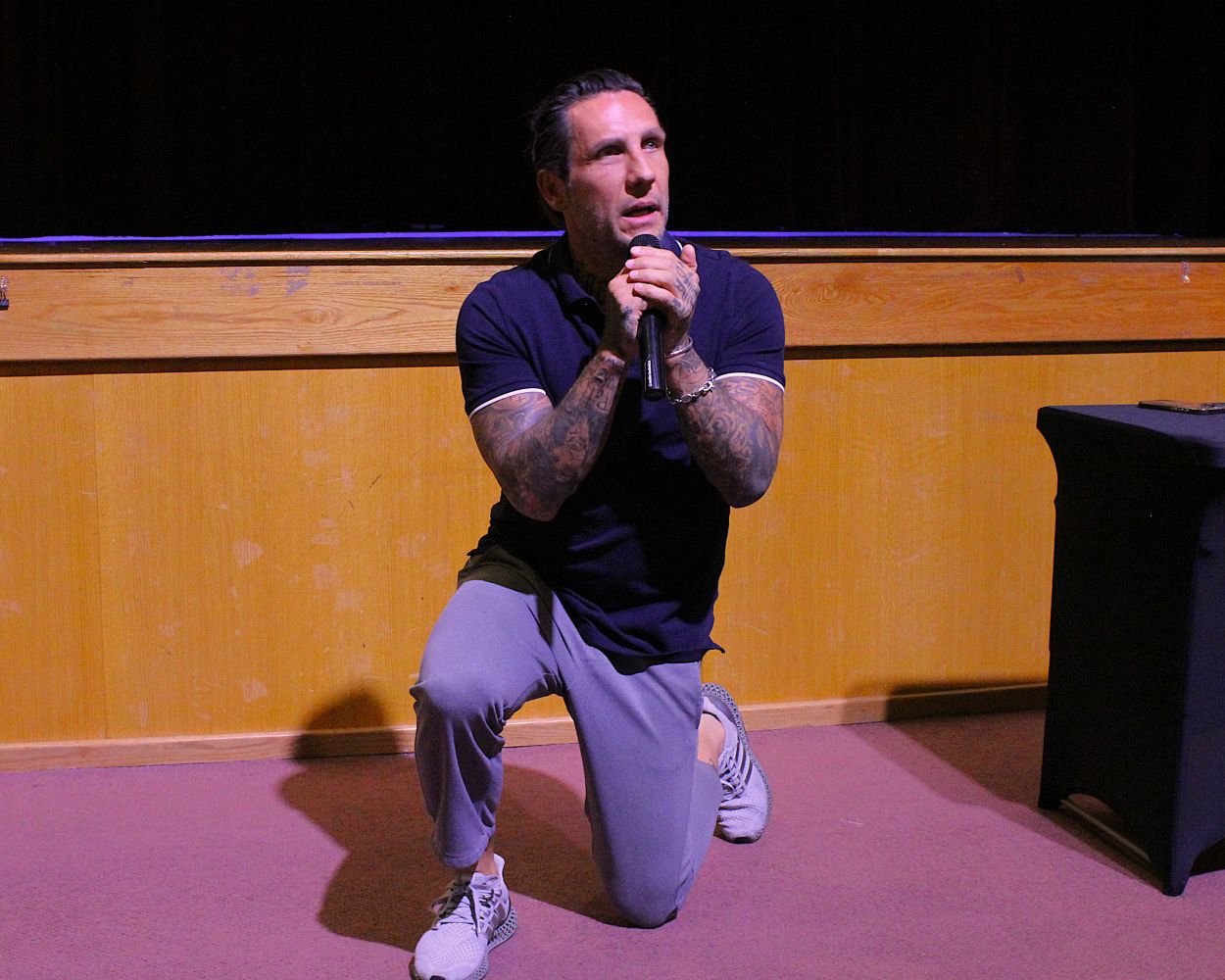
Novak’s recovery journey, which began with a 90-day program, taught him that changing his perception could change his world and that his “defects could one day become my asset.” After a year in sober living, he became a “free man,” traveling the world and celebrating his sobriety.
His commitment to giving back is profound. On his 5-year anniversary, he opened his first men’s sober living house in Wilmington, Delaware, now expanded to seven houses. Three years ago, he founded Redemption Addiction Treatment Center, choosing Pennsville, New Jersey, for a second location due to its “underserved” status. He now dedicates his life to helping others, running groups five days a week.
Novak’s powerful message to the summit was clear: “the disease of addiction is not a death sentence,” “your history does not have to dictate your future,” and “as long as you’re breathing, it’s never too late.” He concluded with an analogy of a child putting together a world map puzzle by first assembling the man on the back, signifying that by fixing oneself, “the world fell back in place.” (See video clip of this and his closing remarks below)
Bridging Perspectives: Law Enforcement and Recovery
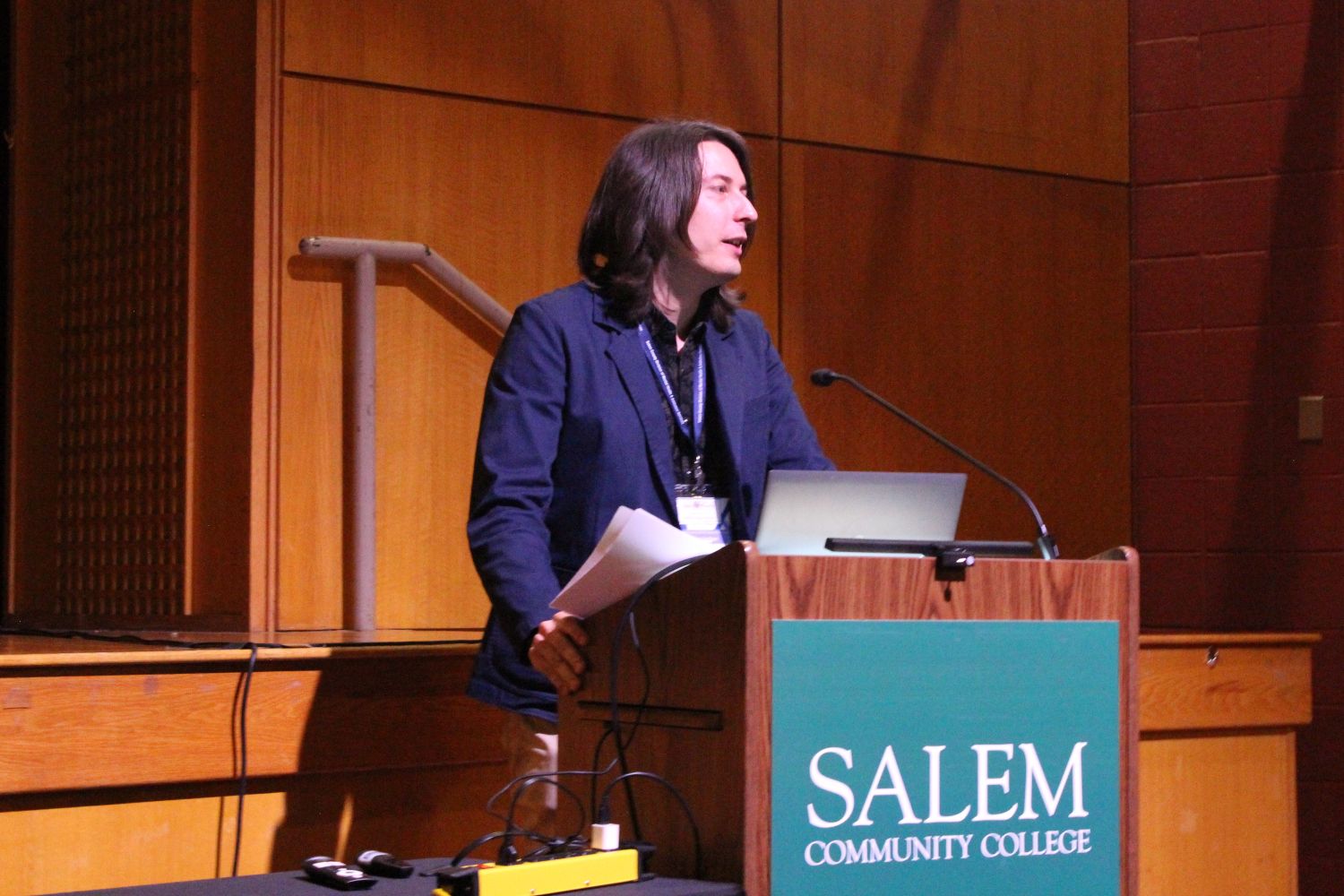
The summit also featured insights from law enforcement, including DEA Agent Jennifer Austin and Senior Investigator Jonathan Seigel. Austin detailed how law enforcement combats overdoses by “targeting the dealers” and individuals mixing “deadly batches,” using “stamps” on drug packaging to track patterns and identify sources. She highlighted the dangers of “fake pills” containing fentanyl or methamphetamines, unregulated vape pens from foreign countries, and “chaos cocktails” of substances like xylazine, heroin, and fentanyl, (especially with xylazine not responsive to Narcan). Siegel echoed these concerns, noting the prevalence of fentanyl, carfentanyl, and the emergence of xylazine, which can cause necrotic wounds.
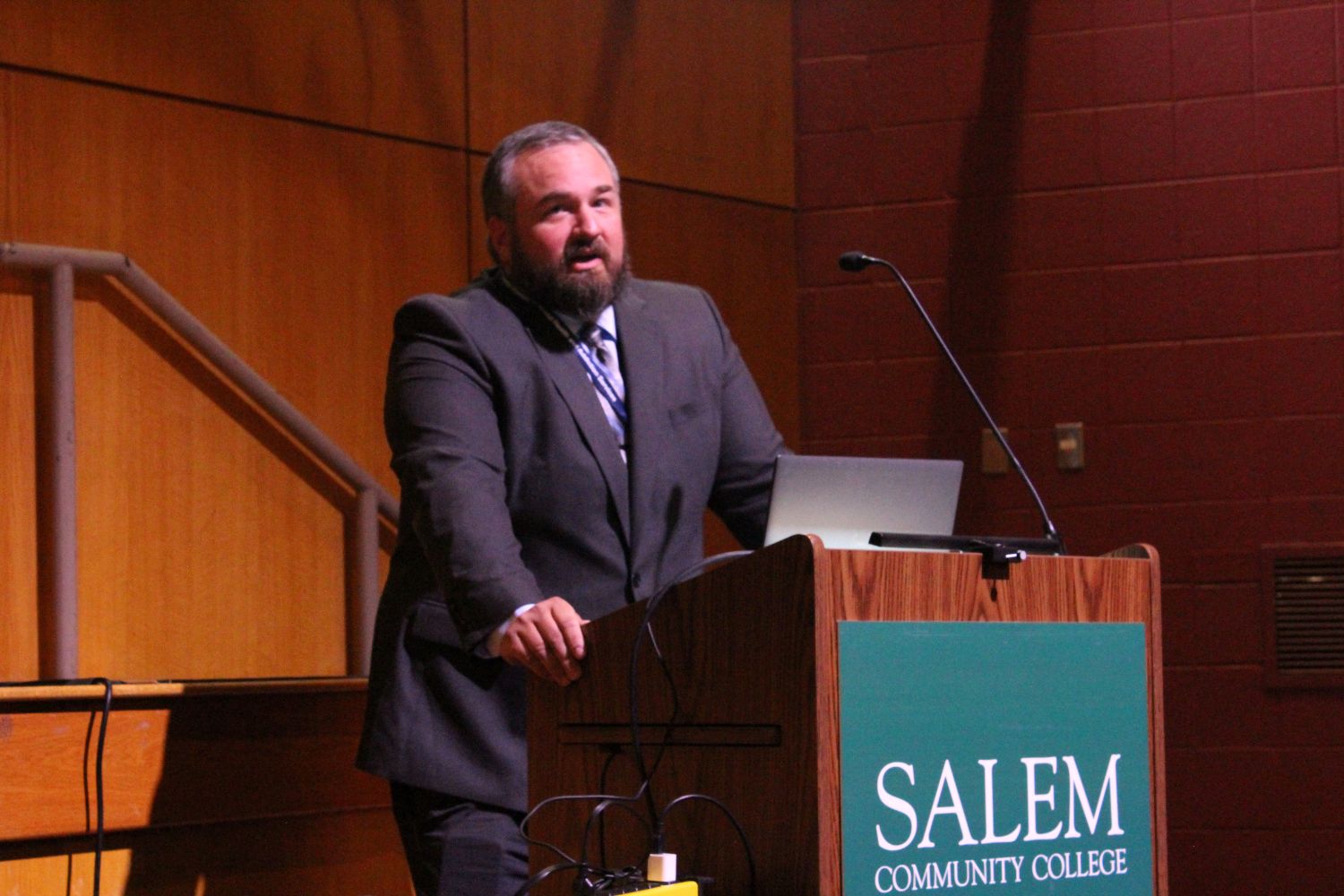
Senior Investigator Jonathan Seigel speaks on the prevalence of carfentanyl, xylazine, and other dangerous drugs being mixed into dealers supplies.
While law enforcement focuses on interdiction and prosecution, particularly with federal laws imposing severe penalties for drug distribution resulting in death, the mental health and addiction services, as presented by Chance Vandover and the Rescue program, emphasize recovery support, MAT, and community outreach. The Salem County Correctional Facility, with its 10-year history of MAT, views incarceration as an opportunity for individuals to stabilize, with programs like Star ensuring continuity of care upon release.
Novak’s story, however, serves as a critical bridge between these perspectives. It humanizes the “addict” that law enforcement often encounters, revealing the complex internal battles and the potential for profound transformation. His journey underscores the importance of comprehensive support systems, the power of personal connection, and the unwavering belief that recovery is always possible, even for those who seem to have lost everything. The summit, through voices like Novak’s, reinforced the idea that a multi-faceted approach, combining enforcement with compassionate, accessible recovery services, is essential to truly combat the opioid epidemic.
You really need to see Brandon’s Story in person but here was two clips from the very end: