


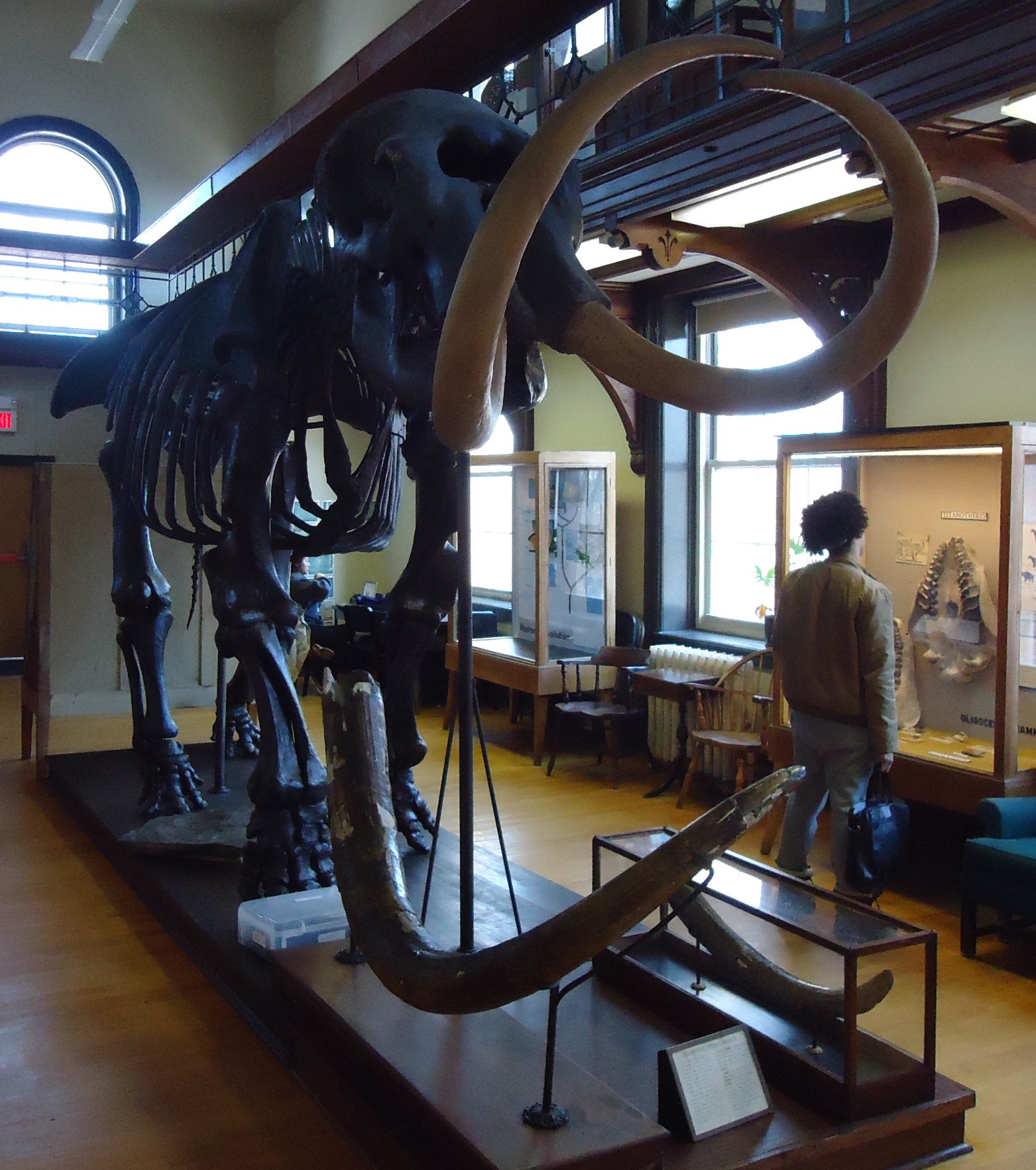

A monstrous find while digging up marl on the old Hackett Farm on Swedes Bridge Road in Mannington in 1869 becomes key display for one of New Jersey’s oldest museums
MANNINGTON TWP. — On a hot late afternoon in August 1869, the grueling routine of farm life on the old Hackett Homestead was shattered by an accidental strike of a shovel. A crew of minimally paid African American laborers under the charge of foreman “Brother Joe” were digging into the farm’s marshy marl beds. They were enduring brutal, sunup-to-sundown shifts for just $1.25 a day, using dynamite to shatter the compacted earth while hired “water bailers” desperately bucketed out invading groundwater.
Right before quitting time, a shovel struck something massive and solid. When the earth was cleared away at a depth of 6 to 8 feet deep, the workers found themselves staring into a face from a vanished world.
Curiosity and fear soon became as tangibly heavy as the late day’s thick, moist heat. In that breathless minute, the misery of their minimal wages vanished. The men stood in absolute, reverent awe, staring into an enormous skull with hollow eye sockets, ponderous jaws, and jagged, immense teeth. They were looking right into the gaping mouth of a titan—a beast with teeth seven inches long and a lower jawbone weighing a crushing 120 pounds which broke in half while extracting—that had waited ten thousand years in the dark just for them to find it. Terrified by the monstrous image, the superstitious crew fell back in wonder, with one laborer genuinely exclaiming that they had accidentally unearthed Satan himself.
From Legend to the Fairgrounds
The property’s owner, Joseph R. Hackett, recognized the find for what it truly was—a magnificent Ice Age mastodon. News of the “Mannington Mastodon” spread through the countryside like wildfire. Over the coming weeks, thousands of curious onlookers flooded the property. Local legends and superstitions began to swirl around the bones; one self-proclaimed clairvoyant even begged to hold a fragment of the skeleton, claiming that pressing it to his forehead would put him into a trance where he could physically watch the live monster roaming the ancient New Jersey meadows.
Protecting the bones quickly became a headache for the Hacketts. After an overeager souvenir hunter managed to sneak in and chip off a piece of a giant tooth, the family locked the remains in an unfurnished bedroom inside their house. But they also sensed a grand opportunity.
Throughout the fall and winter of 1869–1870, the Hacketts boxed up the prehistoric giant and launched a traveling roadshow across the region. Joseph’s 23-year-old son, Samuel Hackett, was given the prestigious job of standing at the entrance of the exhibition tents to collect tickets. For a mere ten cents a head, everyday citizens—who had yet to experience the marvel of motion pictures—could gaze upon the great beast. The tour launched on Keasbey’s land at East View Cemetery before heading to the Bridgeton Fair, where an incredible 3,000 people paid their dimes in “shinplasters” (the paper fractional currency used by the government in the wake of the Civil War). The traveling circus of bones drummed up immense curiosity as it rolled through Vineland, Delaware City, and as far as Baltimore.
Traveling Circuses & Fairgrounds to an “Educated” Home
The traveling show finally ended when the scientific community intervened. In February 1870, Joseph Hackett wrote to Dr. George H. Cook—a pioneering professor and the State Geologist of New Jersey—warning him that a university in New York was trying to buy the bones. Hoping to keep the treasure in its home state, Hackett offered it to Rutgers for $500. Ultimately, a deal was struck for $300, and the bones were delivered to New Brunswick. They became the foundational centerpiece of the newly established Rutgers Geology Museum, which opened its doors inside Geological Hall in 1872.
Yet, for over two decades, the mastodon—affectionately dubbed “Manny”—sat completely unassembled, his legendary frame hidden away in storage boxes.
Giving Manny His Frame
Manny’s true resurrection began in 1895, when a distinguished alumnus, Judge Bookstaver, raised $652 to ship the bones to the famous Ward’s Natural Science Establishment in Rochester, New York. Because Manny’s original tusks had been uncovered by a previous tenant years prior and tragically left to rot and crumble in the open air, artists at Ward’s crafted highly realistic replica tusks to complete his fierce profile.
On June 10, 1896, Manny returned to Rutgers. The museum’s legendary, one-armed assistant curator, William Valiant, lovingly oversaw the assembly, positioning the giant on the second floor near the north end of the hall. Using what he proudly called a “reason-guided imagination,” Valiant looked closely at the bones to piece together Manny’s ancient tragic history. He discovered that Manny had survived a massive accident long before his death, as evidenced by a completely broken rib that had perfectly knit and healed back together. Valiant deduced that after Manny eventually died, his body was swept away in an ancient flood (likely melting glacier waters from the north), floating upside down until it sank into the river bed—preserving his magnificent skull and upper body perfectly while his exposed legs were lost to time.
A Living Legacy and Literary Fame
Today, the 13-foot-tall Manny is much more than a collection of fossilized ivory—he is a timeless New Jersey icon and the only fully articulated mastodon skeleton in the entire state. For over 130 years, his towering presence on the second floor of Geology Hall at 85 Somerset Street has served as a rite of passage for generations of visitors. Museum Director Lauren Neitzke-Adamo notes that watching the exact same expression of jaw-dropping wonder play out across the faces of school children, university students, and older adults when they first walk in and look up at Manny is a magical occurrence that has repeated itself thousands of times. Though, their looks most certainly are not nearly as frightening as the laborers’ who found the beast.
Manny’s journey from a muddy 1869 marl pit to a beloved campus symbol has entered a whole new chapter. Faculty, staff, and students recently collaborated to publish a children’s book titled My Friend Manny through the Rutgers University Press. Funded b an alumnus fellowship, the book blends historical truth with a charming fictional narrative, ensuring that the lonely, spectacular giant who once toured the state in a 10-cent circus tent will continue to inspire a love of history, science, and discovery for generations to come.
Valiant’s manuscripts can be read here:
https://sites.rutgers.edu/manny-the-mastodon/wp-content/uploads/sites/1463/2026/04/Valiant-pp-154-164_The-Mastodon_removed.pdf
There is history of the African American soldiers who served in the Civil War. If you are interested contact me. God bless.
Shot you an email last night James…. Love and respect. – Zach
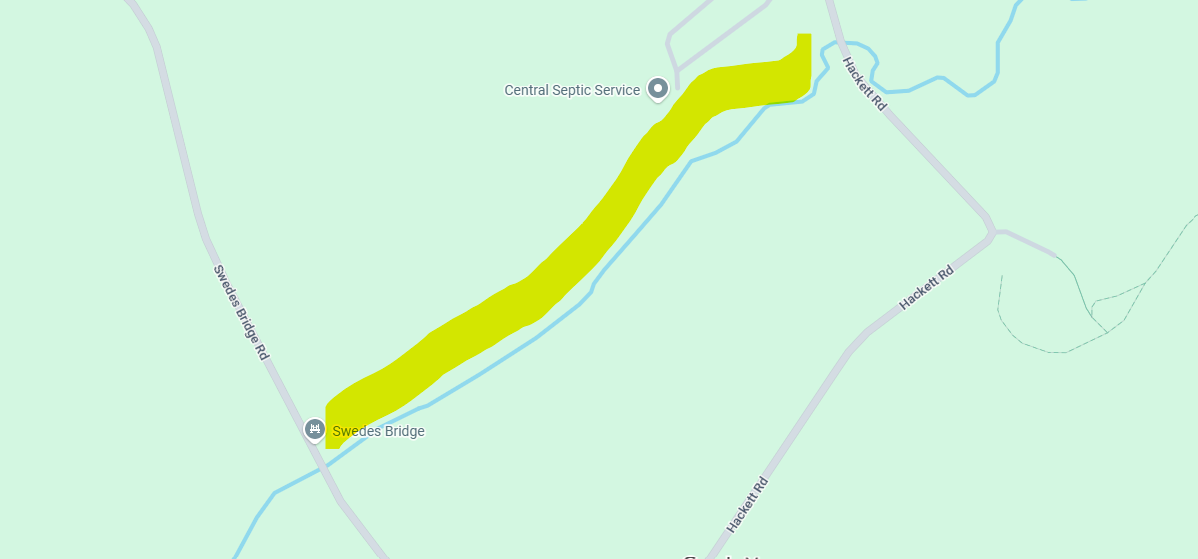
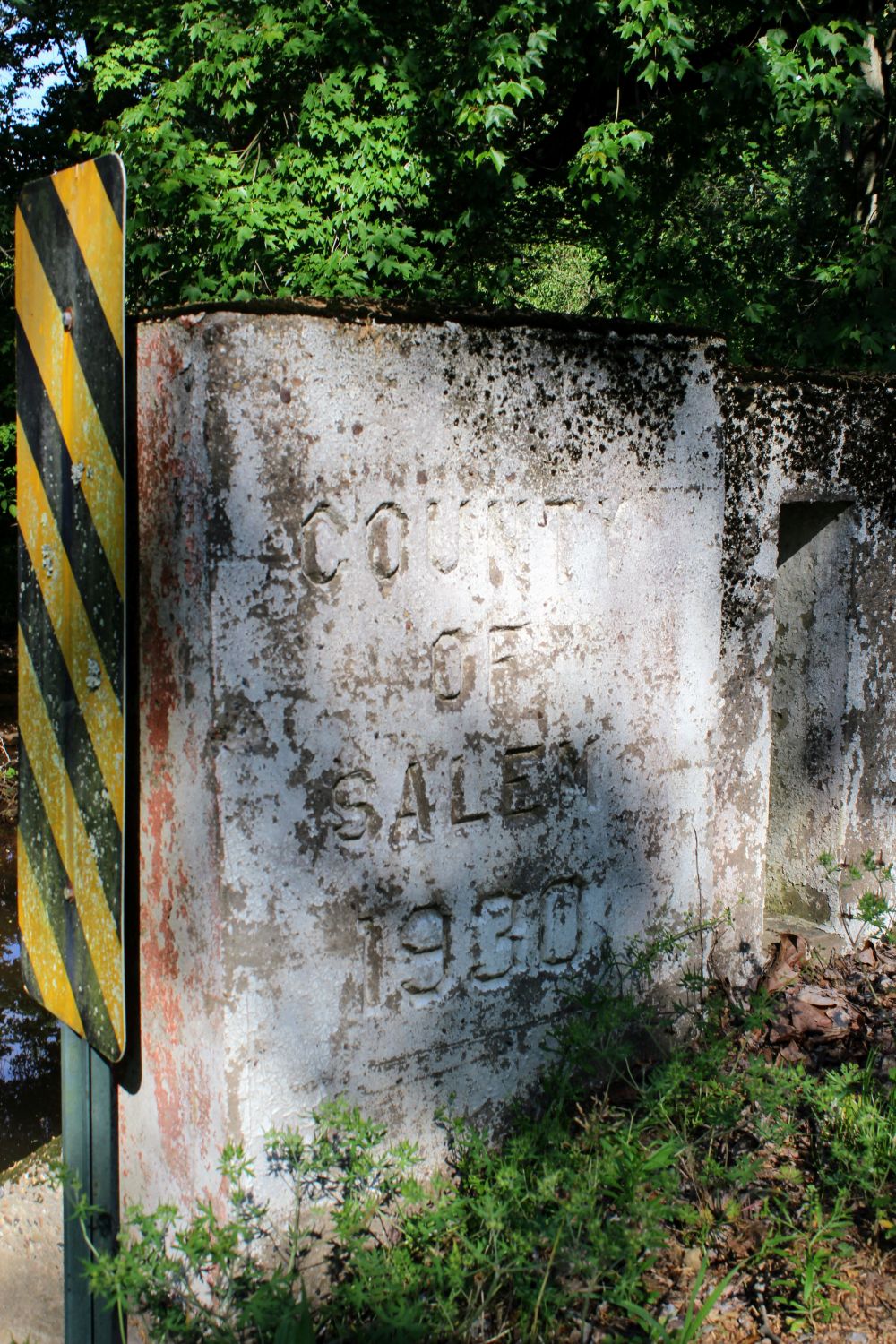
The Mannington Mastodon was not found by the bridge on Swedes Run Road: it was found in the bank of Swedes Run to the north of the bridge on Hackett Road.
“It was an ideal afternoon in August 1869. Brother Joe had charge of some [excluded] men digging marl on the west side of the creek, not far from the bridge. Near quitting time one of the men struck something very hard.”
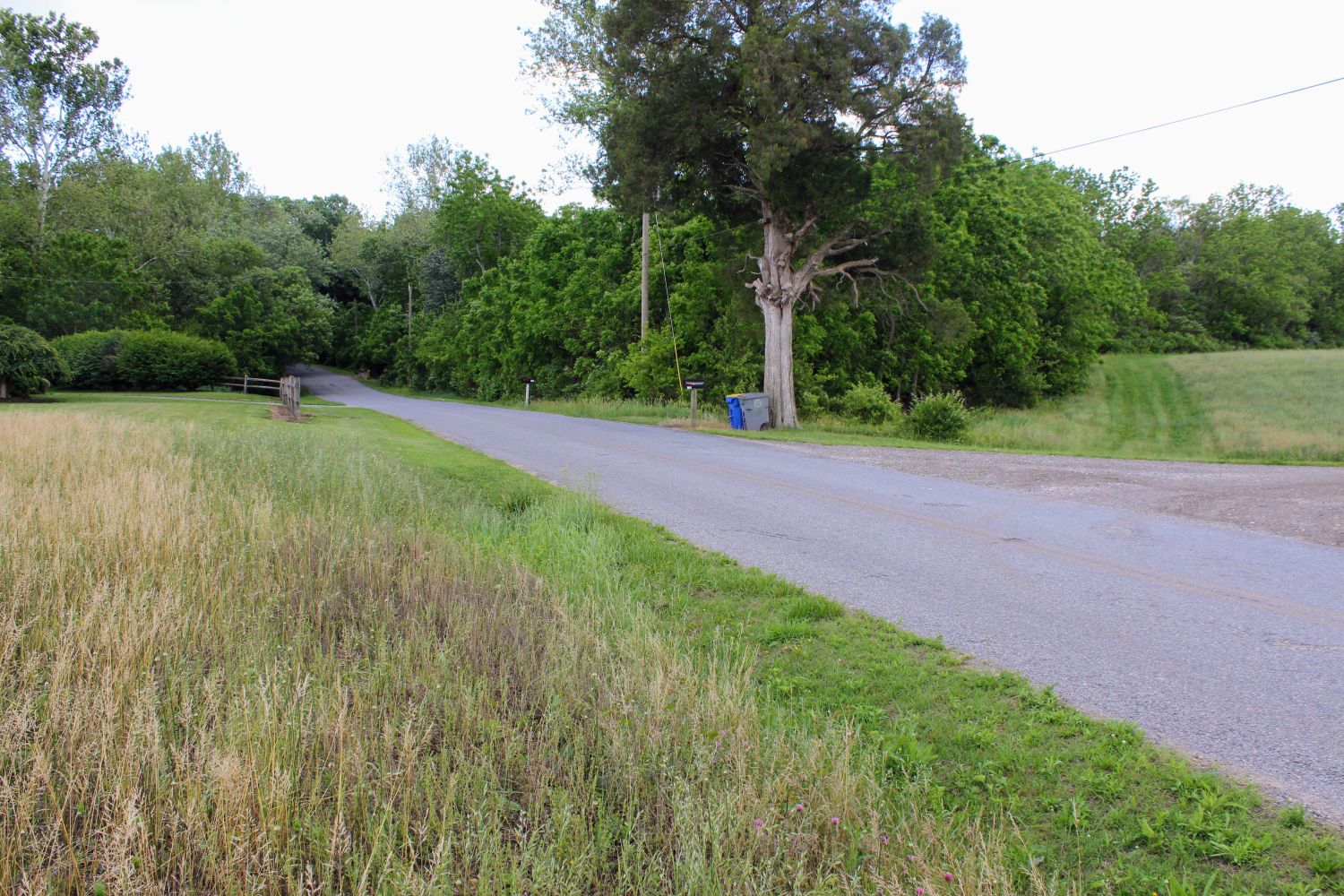
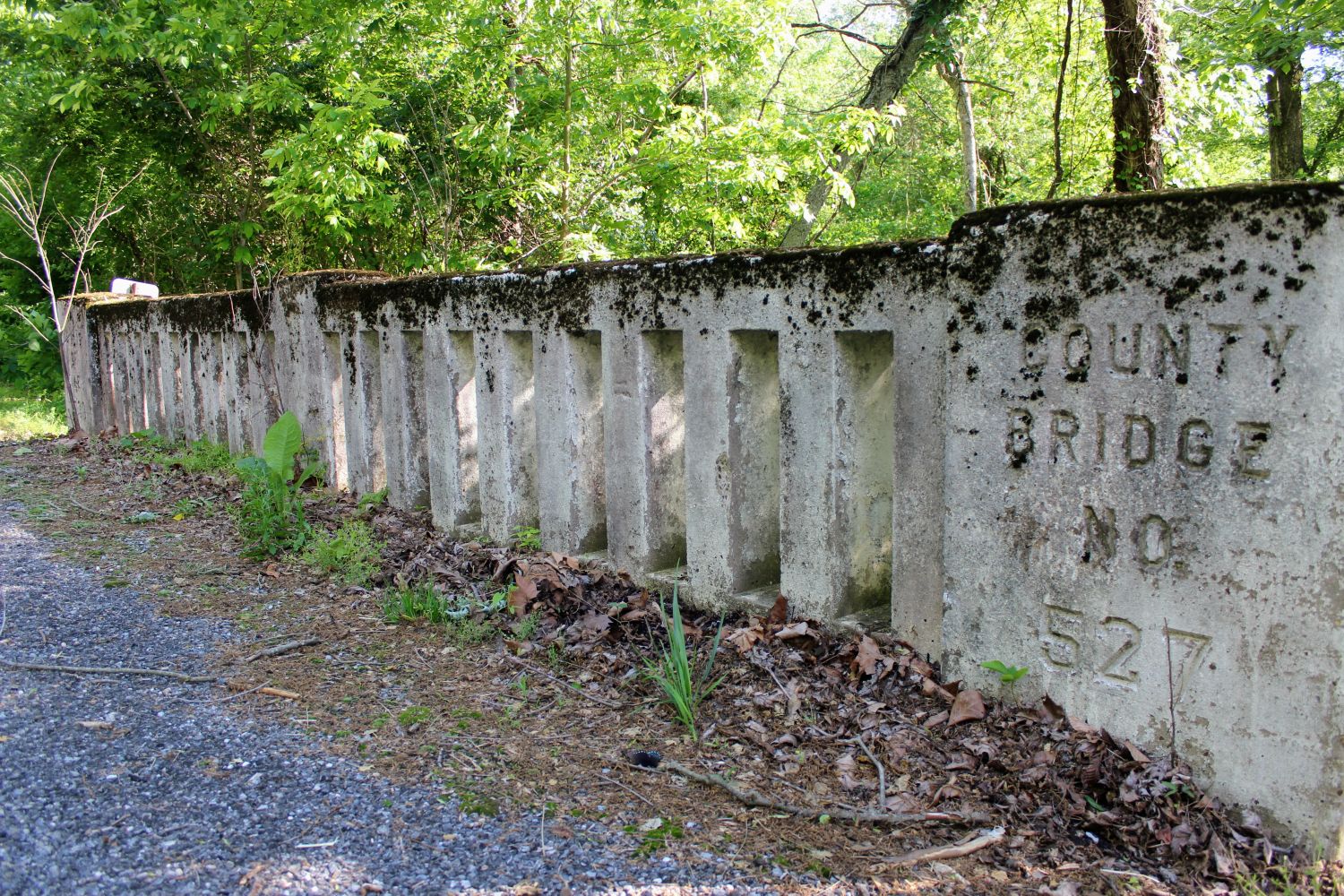
Just going off of the account of Hackett’s daughter is all. I know the old covered bridge was longer and the run was at a greater height than today but that’s why we shaded the area and estimated the location. It is private property. Perhaps she is referring to another bridge over Swedes Run but it isn’t clear. Regardless it’s quite close. Thanks for the information though! Will follow up with additional information when found. Shoot us an email if you have any documentation you could share, we greatly appreciate your input.