

 Bridge in Oldmans Twp. The final two historic truss bridges in the county. & few in NJ.)
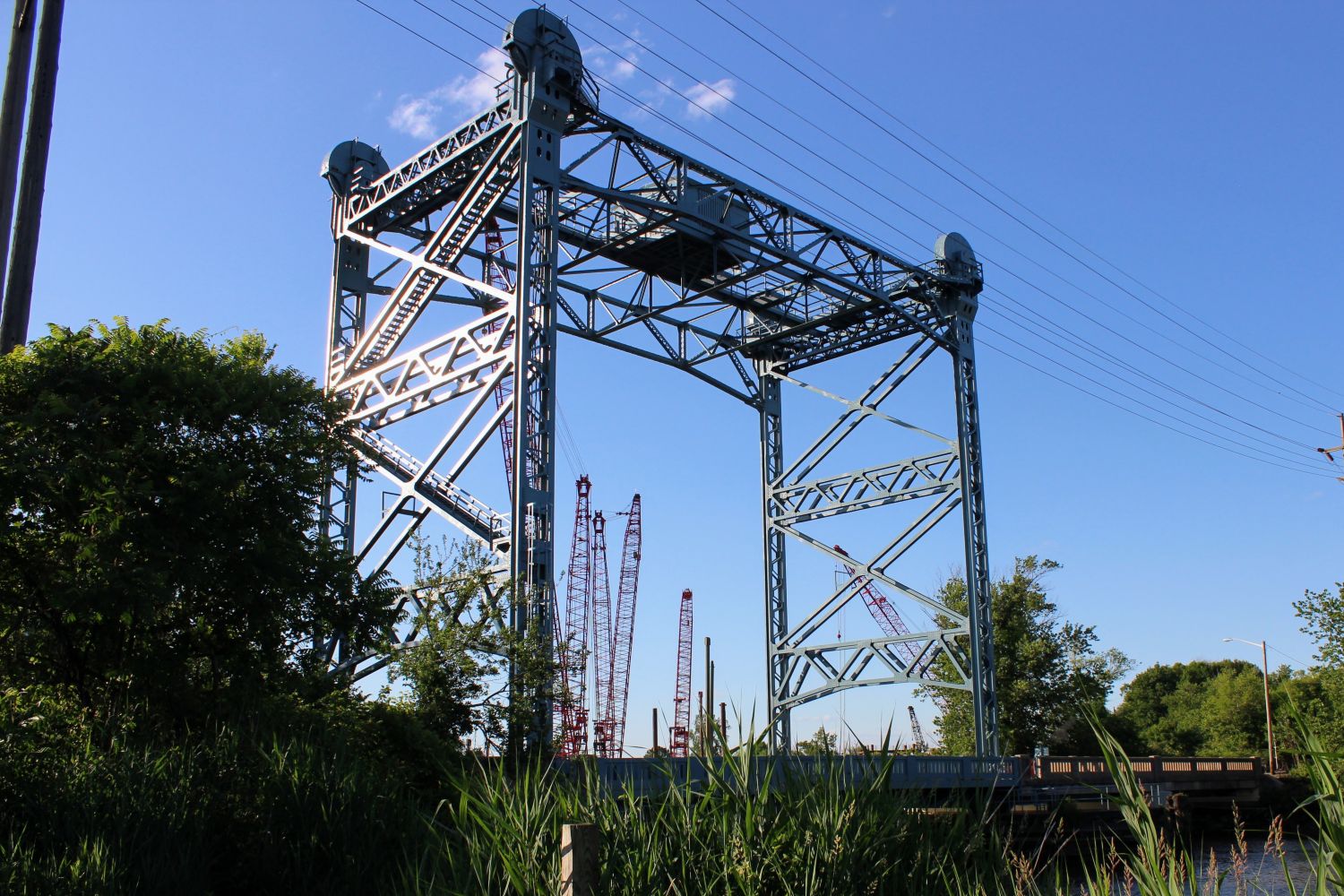

SALEM COUNTY, NJ — Salem County’s landscape is defined by its winding creeks and broad rivers, a geography that necessitates a vast network of crossings. Among these, two structures stand out as remnants of a bygone era: New Bridge in Quinton Twp. plus an end in Lower Alloways Creek Township and the Oldmans Creek (Nortonville) Bridge in Oldmans Township. These represent the final two historic truss bridges still standing in the county. And one is in the process of being demolished and re-developed!
New Bridge: A Century of Engineering yet Slated for Demolition
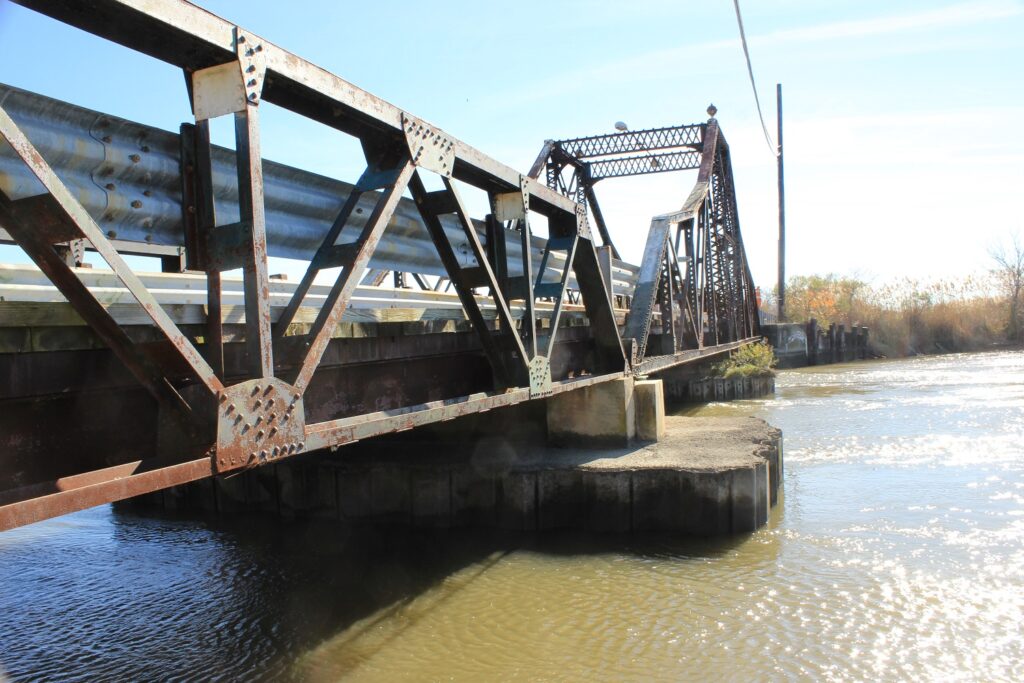
The Hand-Turned Swing Span
Connecting Quinton Twp. and Lower Alloways Creek Township (CR623), New Bridge is a remarkable example of early 20th-century rural engineering. Built in 1905 by the New Jersey Bridge Company of Manasquan, it is a hand-turned, center-bearing swing bridge. According to the Historic American Engineering Survey (HAER-88), the bridge remains under the ownership of Salem County. However it is in the process of being demolished and a new bridge (haha new new bridge) being built.
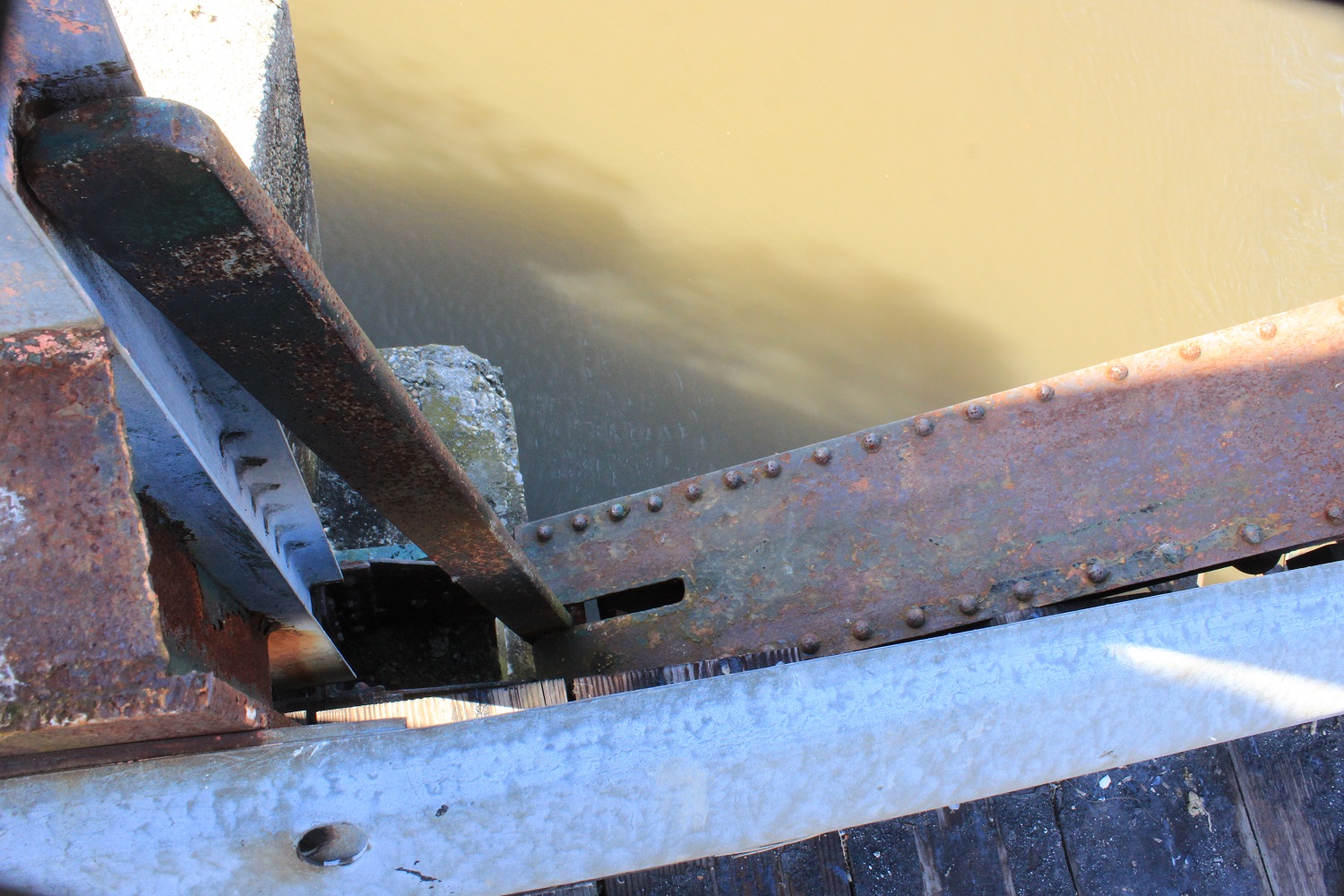
Old iron lever to pull that allow the bridge to manually swing the bridge which was created in 1906
Design and Preservation
Though it served as a vital link in New Jersey’s transportation heritage, the bridge’s specific swing truss shape is now considered one of the rarest designs in existence. At its peak, the bridge featured ornate details, including portal cresting, a builder’s plaque, and four decorative finials. While only a few finials remain today, the truss itself retains high historic integrity.
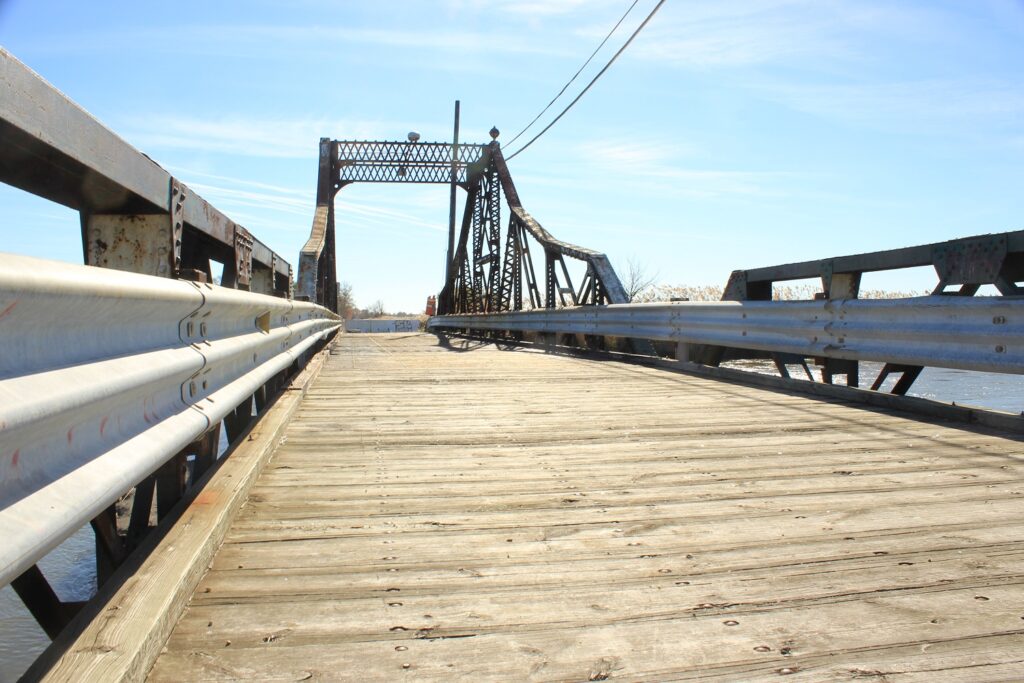
Iron support beams along the side of the bridge that is longer in use and hasn’t been used to vehicle travel for decades. It is still one of two Salem County historic truss bridges that are very rare.
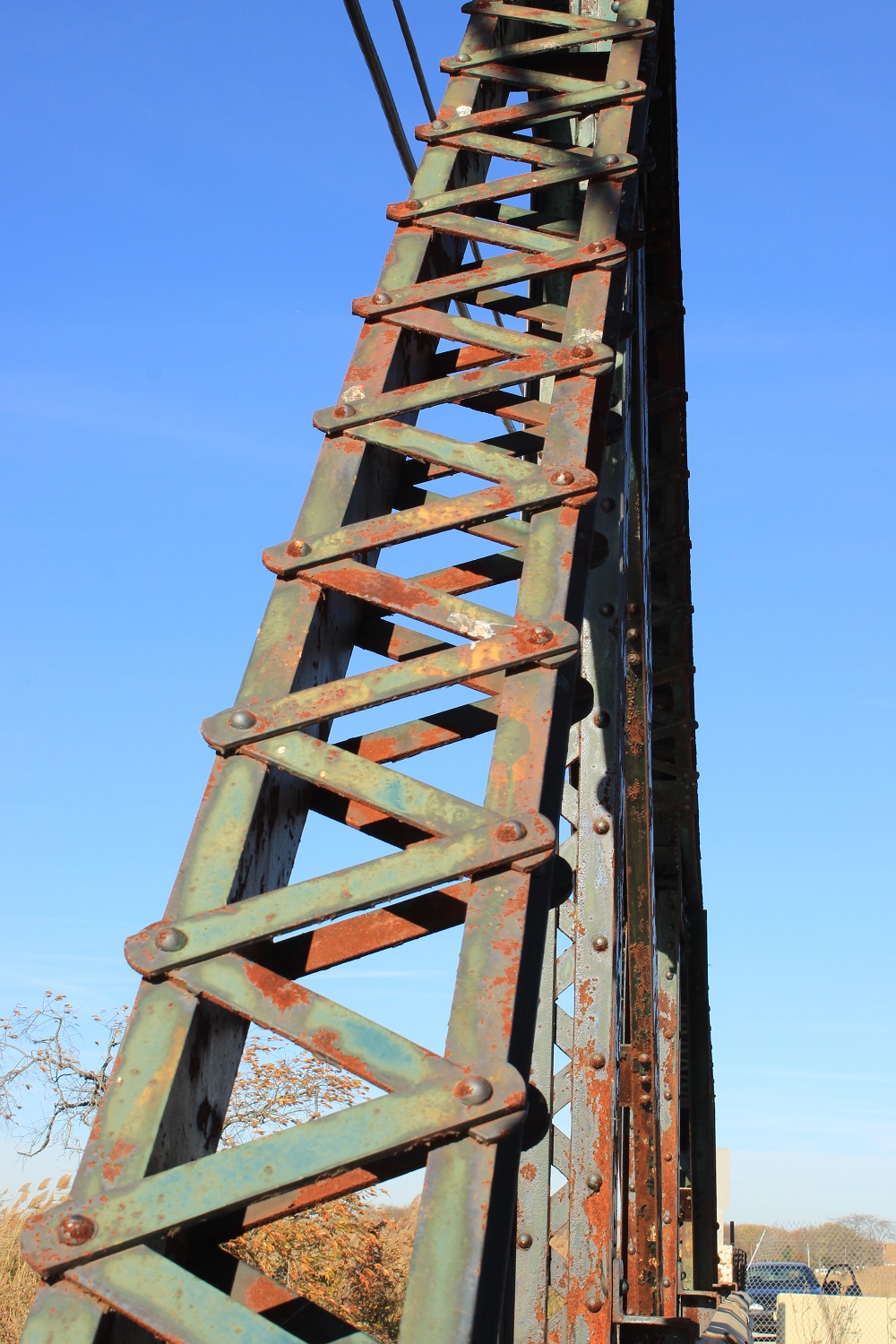
Although the bridge hasn’t opened for maritime traffic since the 1960s—and has been closed to vehicular traffic since 2002—much of the original mechanical machinery remains intact beneath the deck.
In 2014, William Miller, Assistant County Superintendent of Bridges, stated, “There are no future plans for replacing or removing the bridge.”
*** UPDATED *** The bridge is in the process of being demolished and a new one built according to Salem County Board of Commissioner meeting minutes from the end of 2023.
Because these resolutions granted the planning extension, the project remains active. The public works files indicate that baseline engineering maps for the New Bridge Road segment (CR-623) over Alloways Creek have been received from contracted surveyors. The current project timeline allows the county to finalize demolition safety criteria, maritime clearing guidelines, and environmental impact assessments. However, it is not ever too late. The next Salem County Board of Commissioners meeting is Wednesday, June 17 at 4:00pm in the Old Salem Courthouse.
Below find the request for extension of funding from a grant for replacing the historically significant bridge:
Oldmans Creek (Nortonville) Bridge
The New Deal Vertical Lift
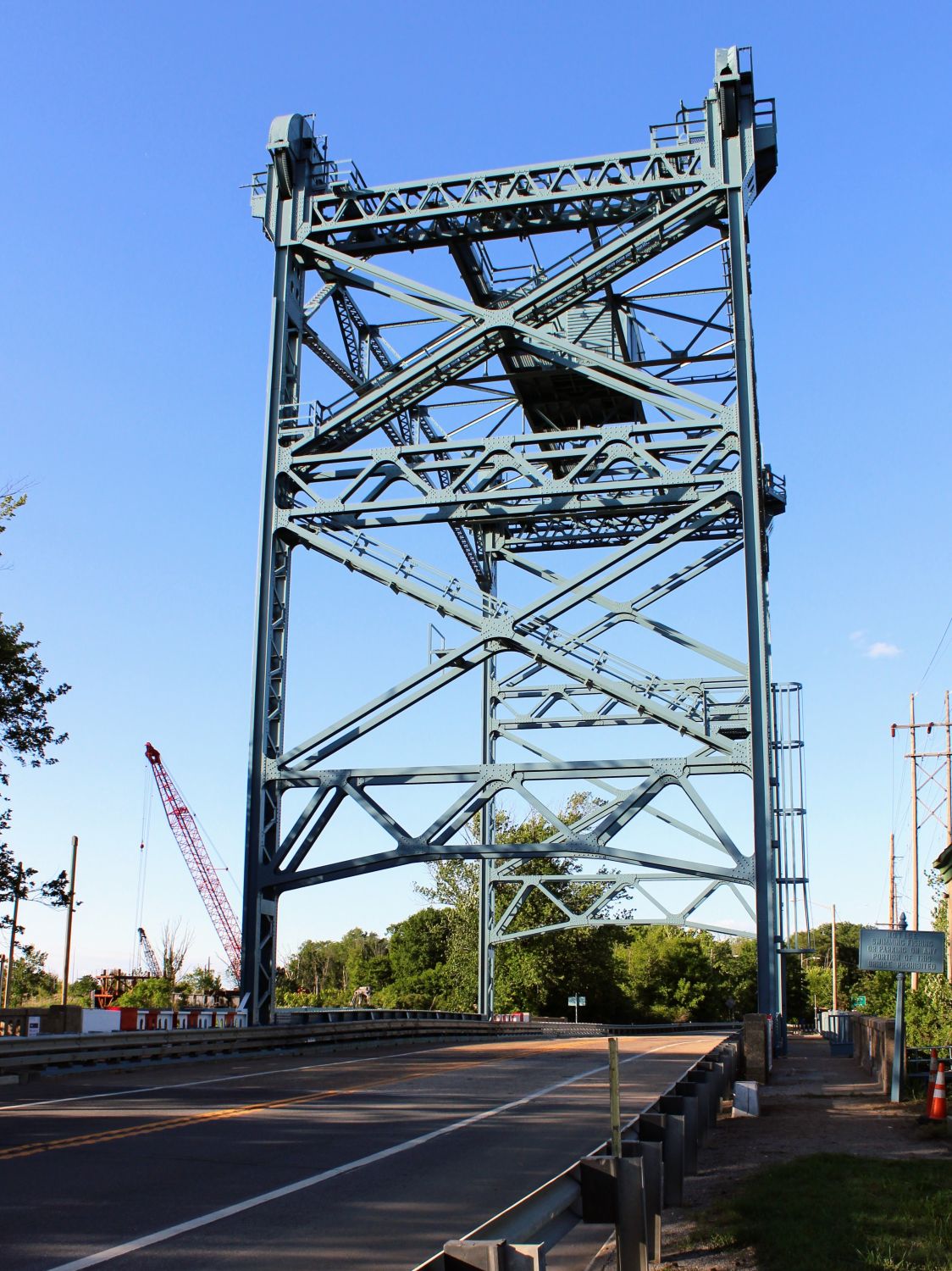
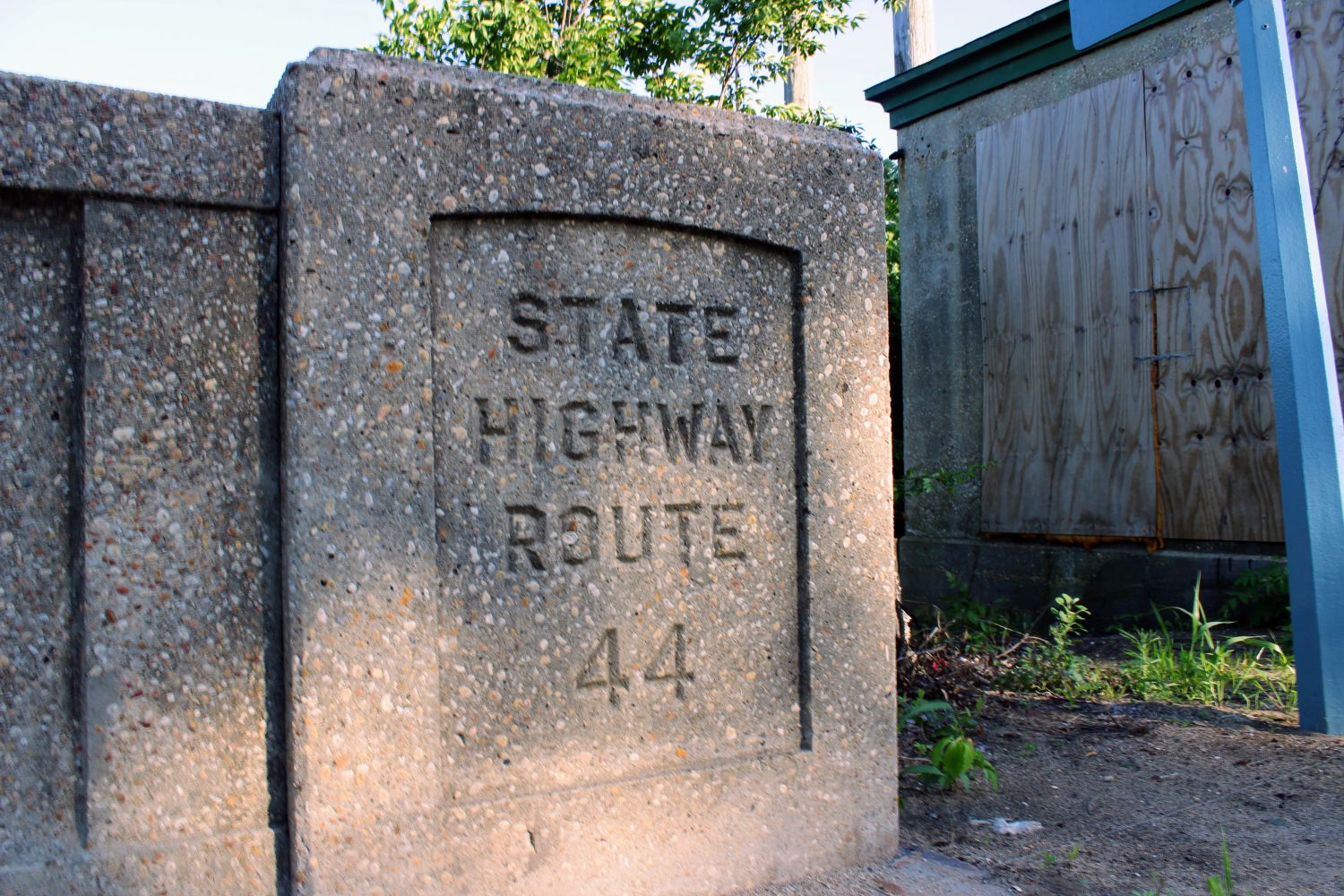
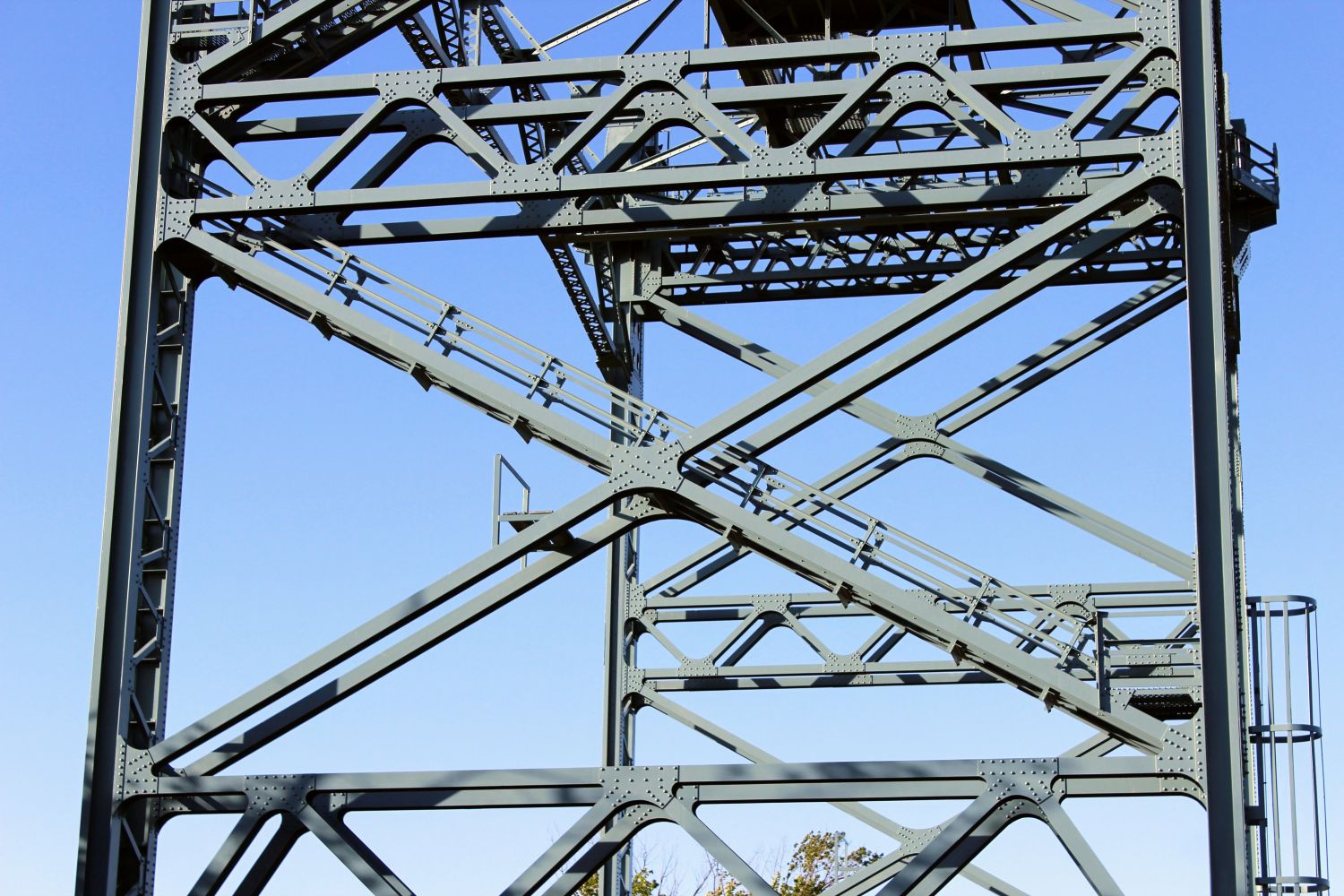
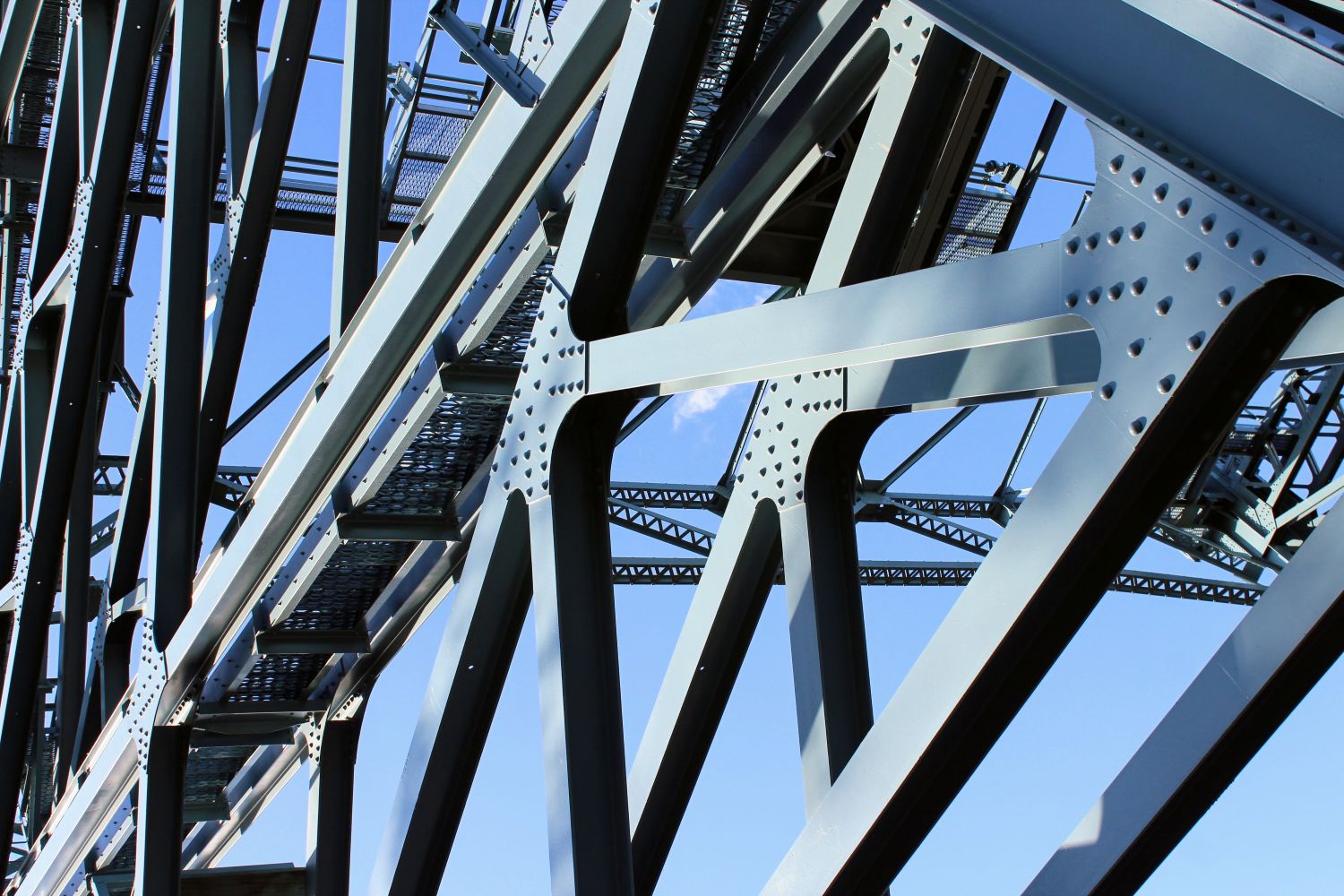
The bridge spanning Oldmans Creek is a well-preserved example of a vertical lift bridge, a design that represented a significant leap in structural steel construction. Built in 1936 during the reconstruction of NJ Highway Route 44, this bridge was a New Deal public works project. The renowned firm of Ash, Howard, Needles, and Tammen served as consulting engineers.
Current Status
While the vertical lift mechanism was sealed in the late 1960s—following the decline of the local maritime economy—the bridge remains a workhorse. Unlike its counterpart in Lower Alloways Creek, the Nortonville Bridge continues to carry daily traffic between Oldmans Township and Gloucester County, serving as a functional piece of living history. However, there seems to be construction occurring along the banks of the Oldmans Creek on the western side of the bridge. It is unknown if this bridge is plan on being replaced or not.
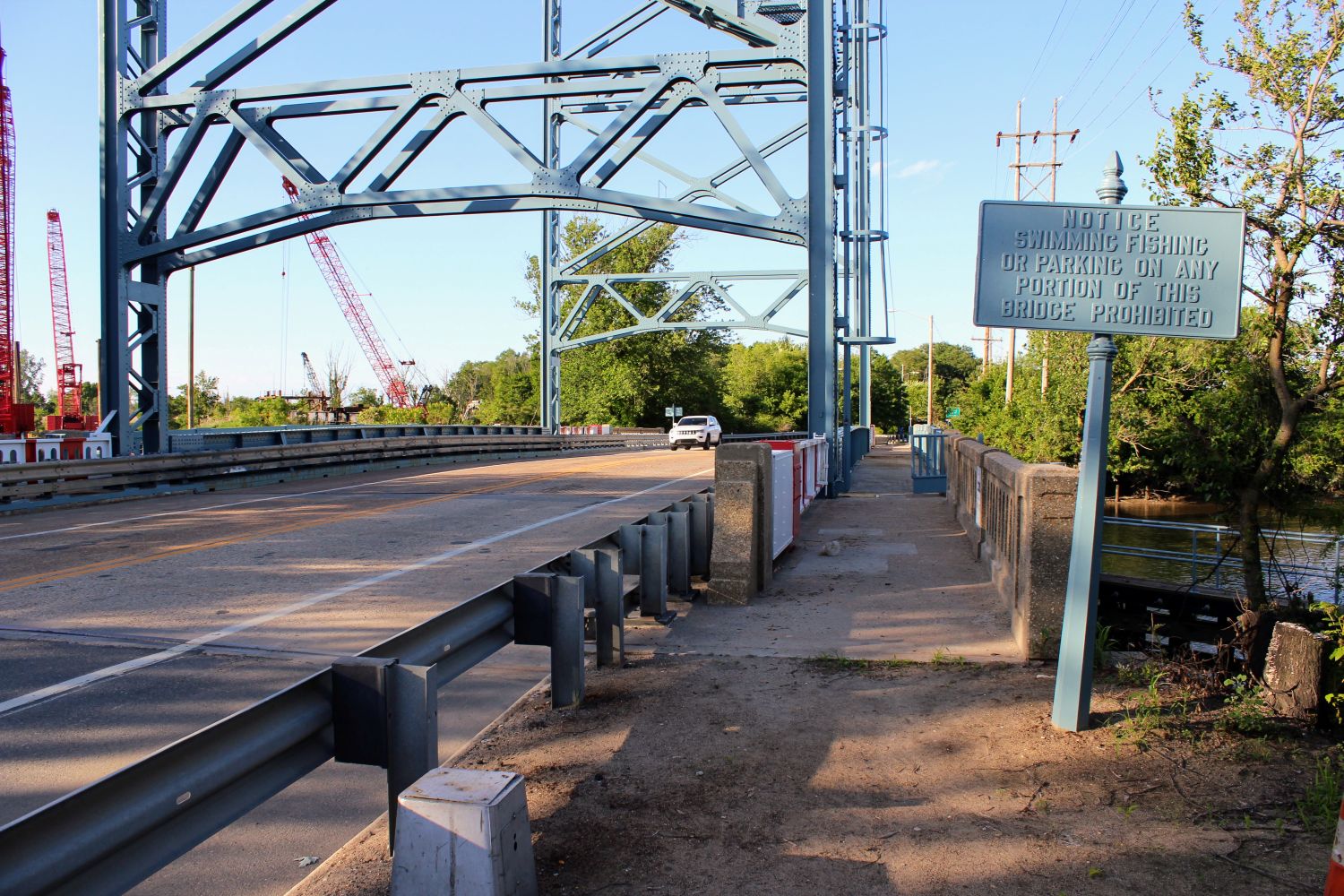
Car passes over the Nortonville Bridge Historic Truss Bridge on the border of Oldmans Township and Gloucester County.
Comparison of Salem County’s Historic Truss Bridges
| Feature | New Bridge (LAC) | Oldmans Creek Bridge |
| Type | Center-bearing Swing Bridge | Vertical Lift Bridge |
| Year Built | 1905 | 1936 |
| Primary Use | Historic Monument (Closed) | Active Vehicular Traffic |
| Last Maritime Use | 1960s | Late 1960s |
| Notable Feature | Hand-turned machinery | New Deal Era Project |
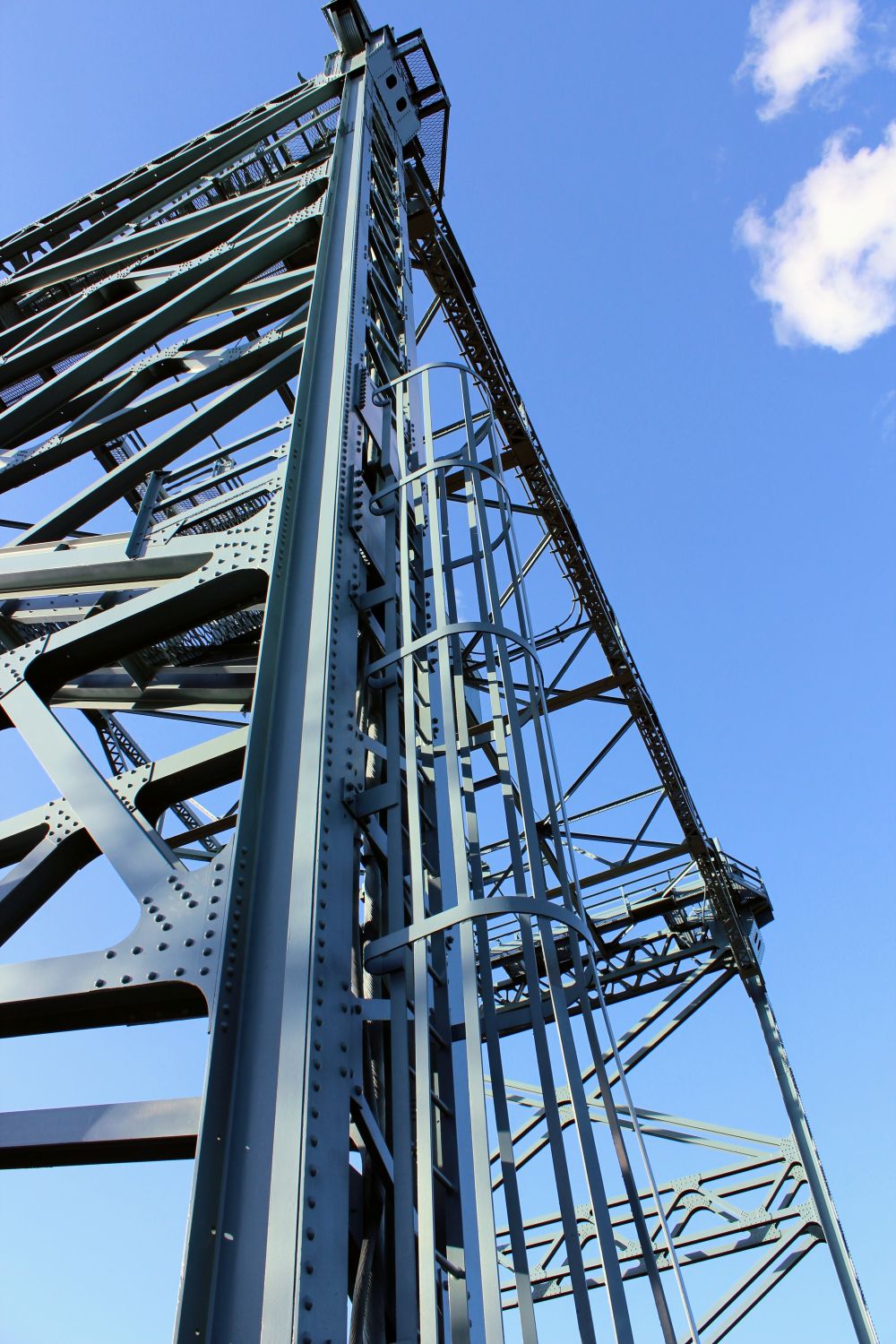
Check out a photo gallery of the Nortonville Bridge – Staff Photos by Zachary Ahl
Good job ,Zachary on keeping us caught up on what’s going on in Salem county. I use to live there 25 years ago and I love to hear stories about m hometown.
I am familiar with the history of efforts to demolish the bridge and build a new one. There was an effort by the Freeholders to replace the bridge if LAC could assist with some of the cost. That didn’t happen. The bridge is listed on the NJ Register of Historic Places* and as such when past proposals to replace it would require approval from the NJ Historic Preservation Office (SHPO). When I was the County Planner, probably 16 or so years ago, we met with SHPO on the bridge. They initially were going to require it to be moved onto the land adjacent to New Bridge Road with its base and turning mechanisms, a very costly and impractical solution. Their final determination was to have the side girder structures preserved and mounted onto the new bridge in order to preserve as much of the bridge as possible and keep the appearance of the original structure. Hopefully that determination by SHPO hasn’t been lost to history
*(New Bridge Road (CR623) Bridge (SI&A #1701399) (ID#3439))
see:https://dep.nj.gov/wp-content/uploads/hpo/docs/registration/listings/inventory-salem-county.pdf