


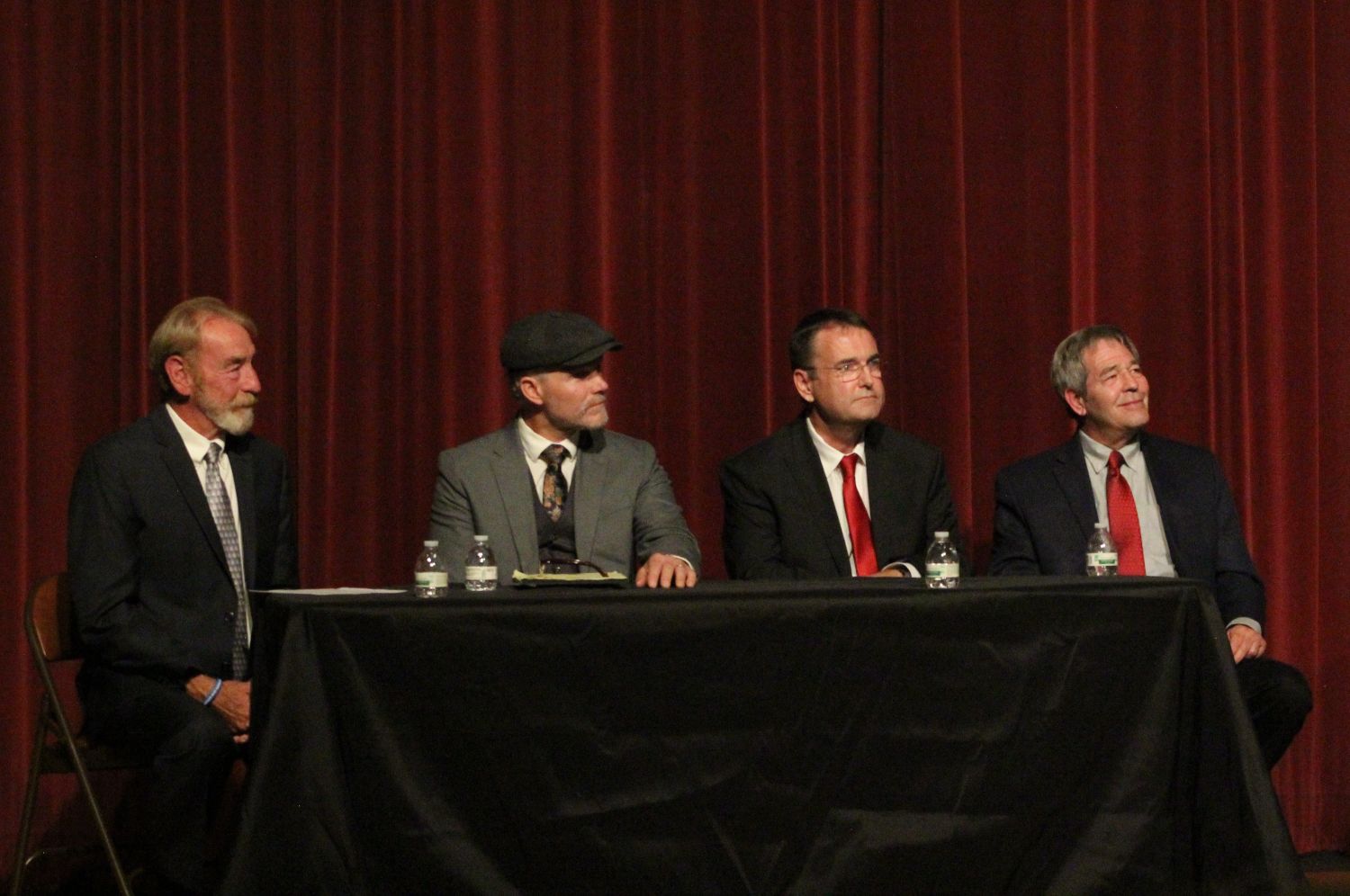

CARNEYS POINT — Candidates running for Congress, the U.S. Senate and two seats on the Salem County Board of Commissioners took turns at the microphone Thursday night at Salem Community College, where the Salem County Chamber of Commerce hosted its “Get to Know Your Candidates” forum in the college’s Performing Arts Theatre.
The evening, open to the public at no cost, drew candidates from three different races onto the same stage: the 2nd Congressional District, the U.S. Senate, and two contested seats on the county’s all-Republican Board of Commissioners.
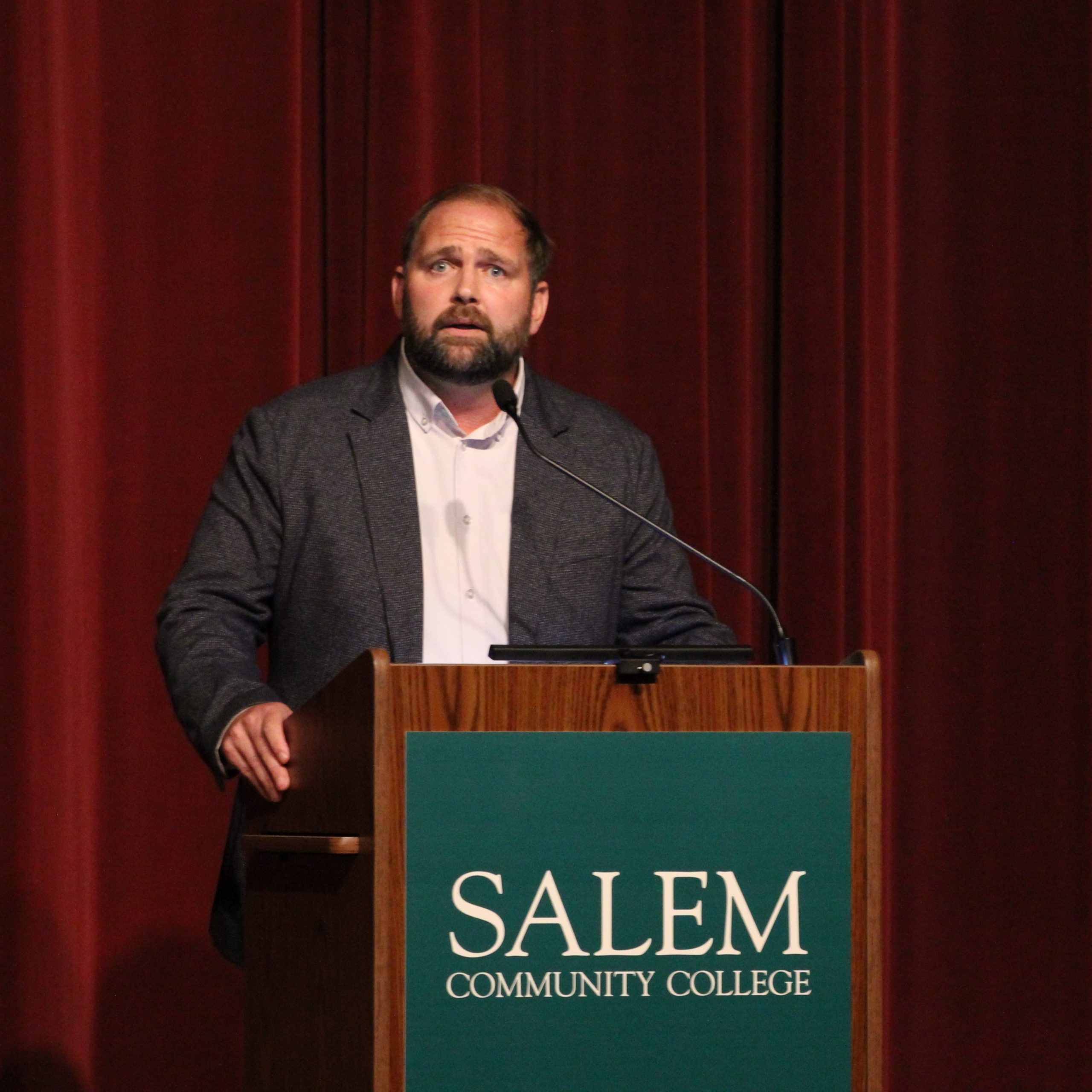
Cape May Mayor Zach Mullock, one of several Democrats running to unseat U.S. Rep. Jeff Van Drew, told the Salem County crowd that small businesses — not Wall Street — drive most new hiring, and argued Congress needs more representatives willing to break with their own party “to represent the people.” He pointed to cuts to Medicare and Medicaid as an example, telling the audience that roughly 180,000 people in South Jersey rely on the programs and that many of the cuts are timed not to take effect until after the midterm elections. Mullock implied that this was intentional.
Mullock, a small business owner and father of three, also raised the cost of living — grocery, gas and fertilizer prices tied to conflict in the Middle East, a national debt above $40 trillion, and mortgage rates above 7 percent that he said have pushed the average age of a first-time homebuyer to 40. He said he is not accepting corporate PAC money and touted Cape May’s run of six years without a municipal tax increase during his time as mayor.
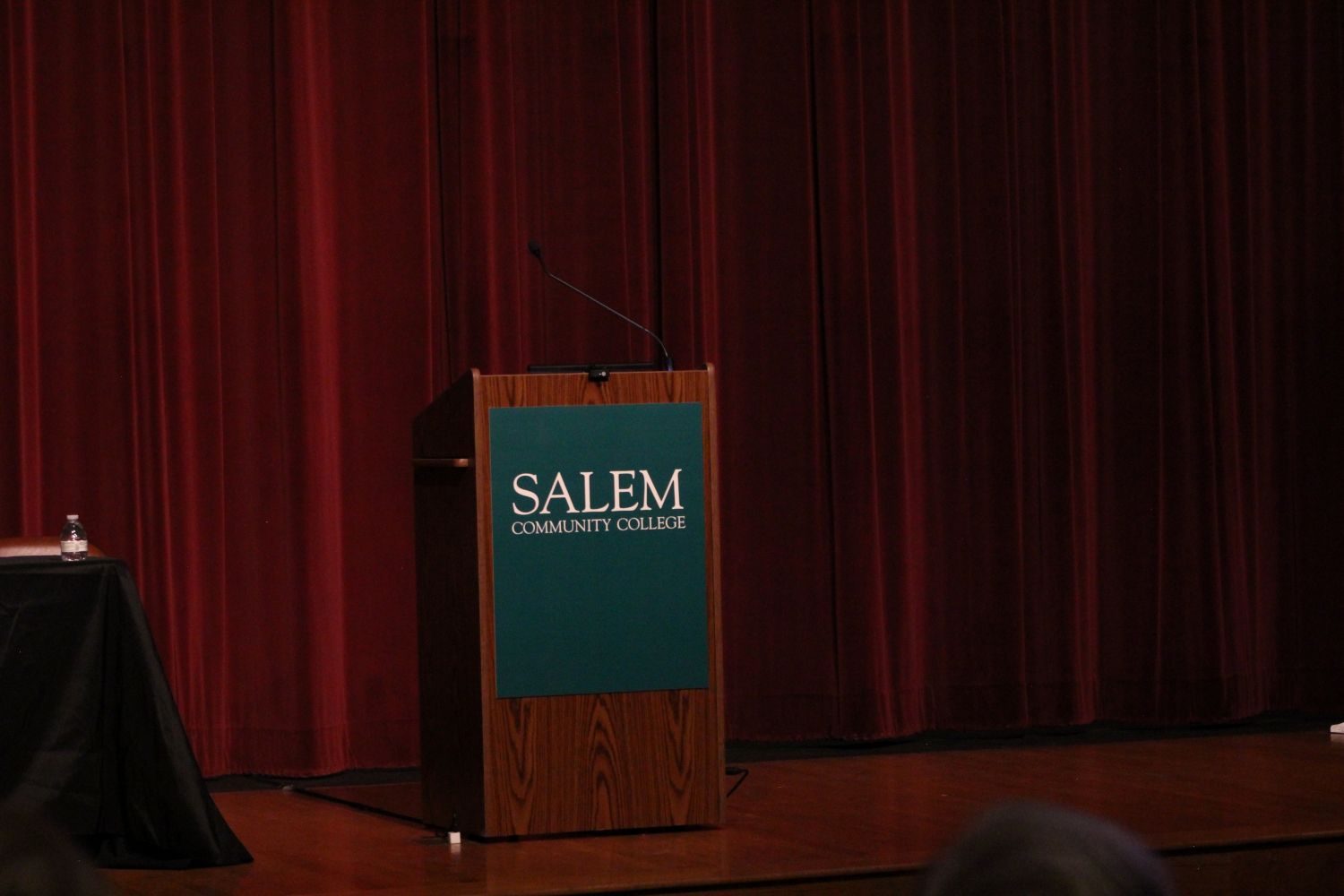
Rep. Van Drew did not attend, citing a scheduling conflict. A pre-recorded video of Van Drew allowed him to deliver remarks while not attending, crediting himself with six straight years of the district ranking first in the state for securing federally funded community projects, which is not a fact that The News of Salem County has been able to verify. Van Drew pointed to a coming South Jersey “middle mile” broadband project meant to reach underserved parts of Salem and Cumberland counties, a $2.4 million economic development grant to expand Salem Community College’s nursing program, and a new U.S. Army Corps of Engineers study on deepening the Salem River by as much as 20 feet. Van Drew’s pre-recorded remarks ran just under four minutes and audible groans and murmurs came from the audience when Van Drew’s absence was announced.
U.S. Senate
Justin Murphy, a Tabernacle Township attorney and the Republican nominee for U.S. Senate since winning his primary June 2, told the crowd no Republican has won a New Jersey Senate seat since 1972 and made his case for why that should change. A four-year military veteran who served in the Middle East, Murphy centered his remarks on taxes and regulation, calling for the 70,000-page federal tax code to be replaced with a flat tax. He also weighed in on data centers, suggesting they be built on military installations and underground where possible to protect open space and farmland.
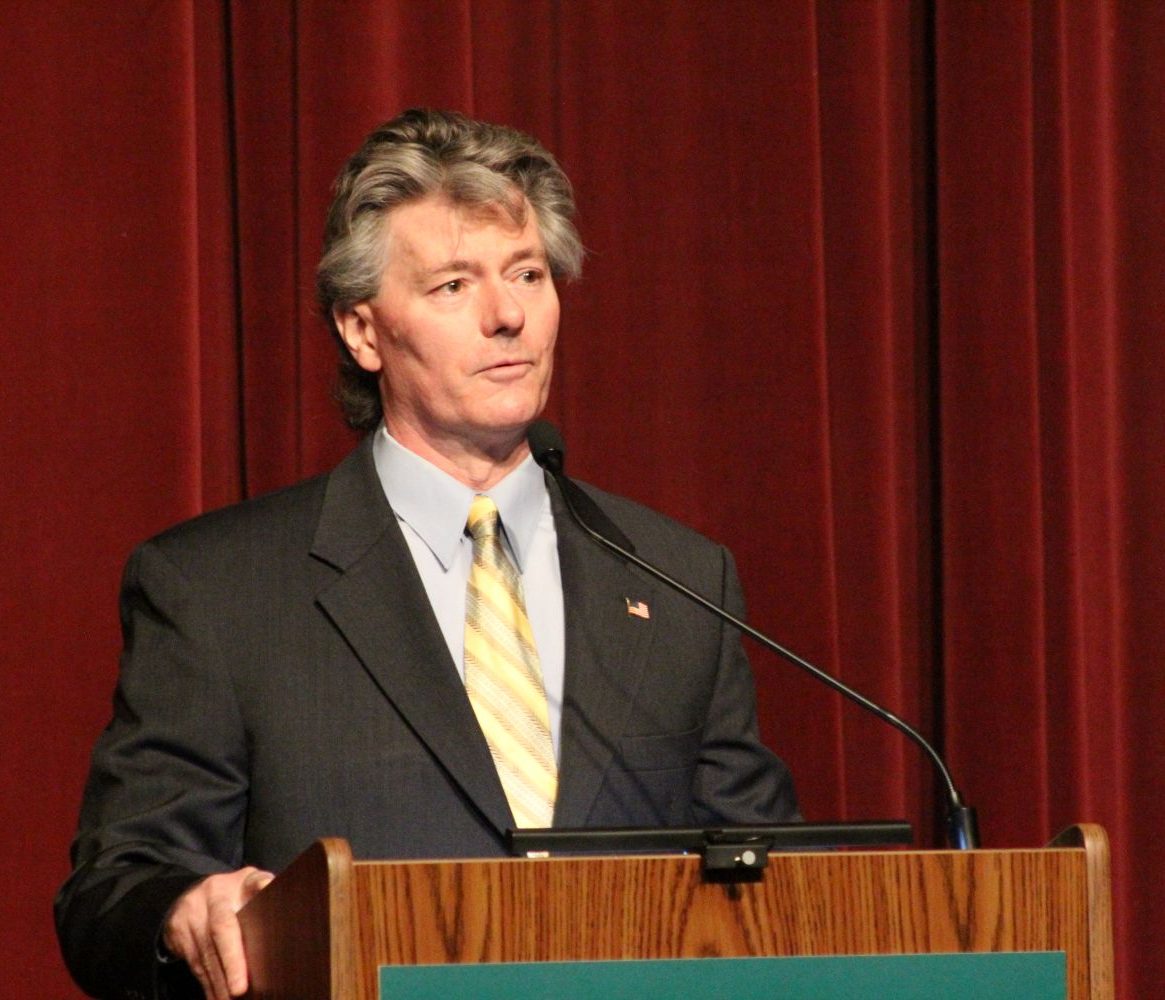
“I count myself a pro-business Republican,” Murphy said, adding that he was self-employed through college and law school and spent 20 years practicing law before running for office. Murphy spoke for 6 minutes, 17 seconds, more than a minute past the five-minute limit and members of the audience grew impatient and some began murmuring even.
Salem County Board of Commissioners
Two of the five seats on Salem County’s Board of Commissioners (currently held entirely by Republicans) are on this fall’s ballot, and both are contested. Democrats Buddy Ayars and Charles Hassler are challenging Republican incumbents Paul Collier and Ed Ramsay.
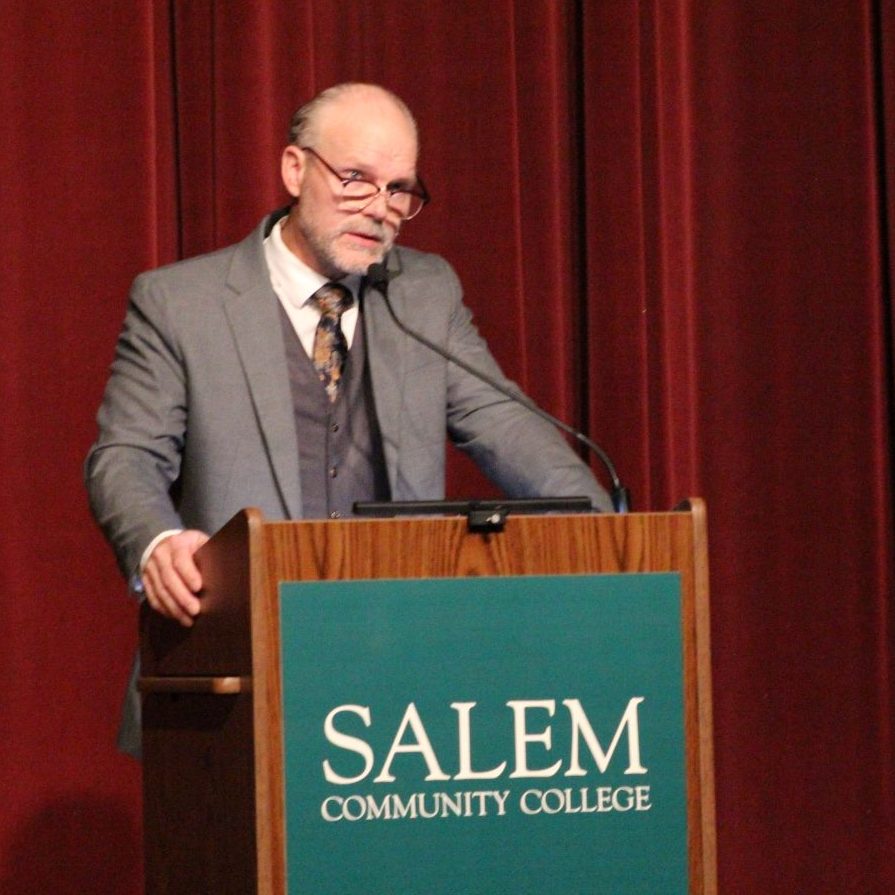
Ayars, making his first run for office, kept his remarks brief and personal, telling the audience he was there “for a chance to help,” not for a title. He said the county has struggled to hold onto young people and small businesses alike, and argued that economic development programs too often fail to reach the families already living here. Ayars is a very well-known local business owner of Bud’s Market in Quinton Twp. and was very confident and personable while speaking.
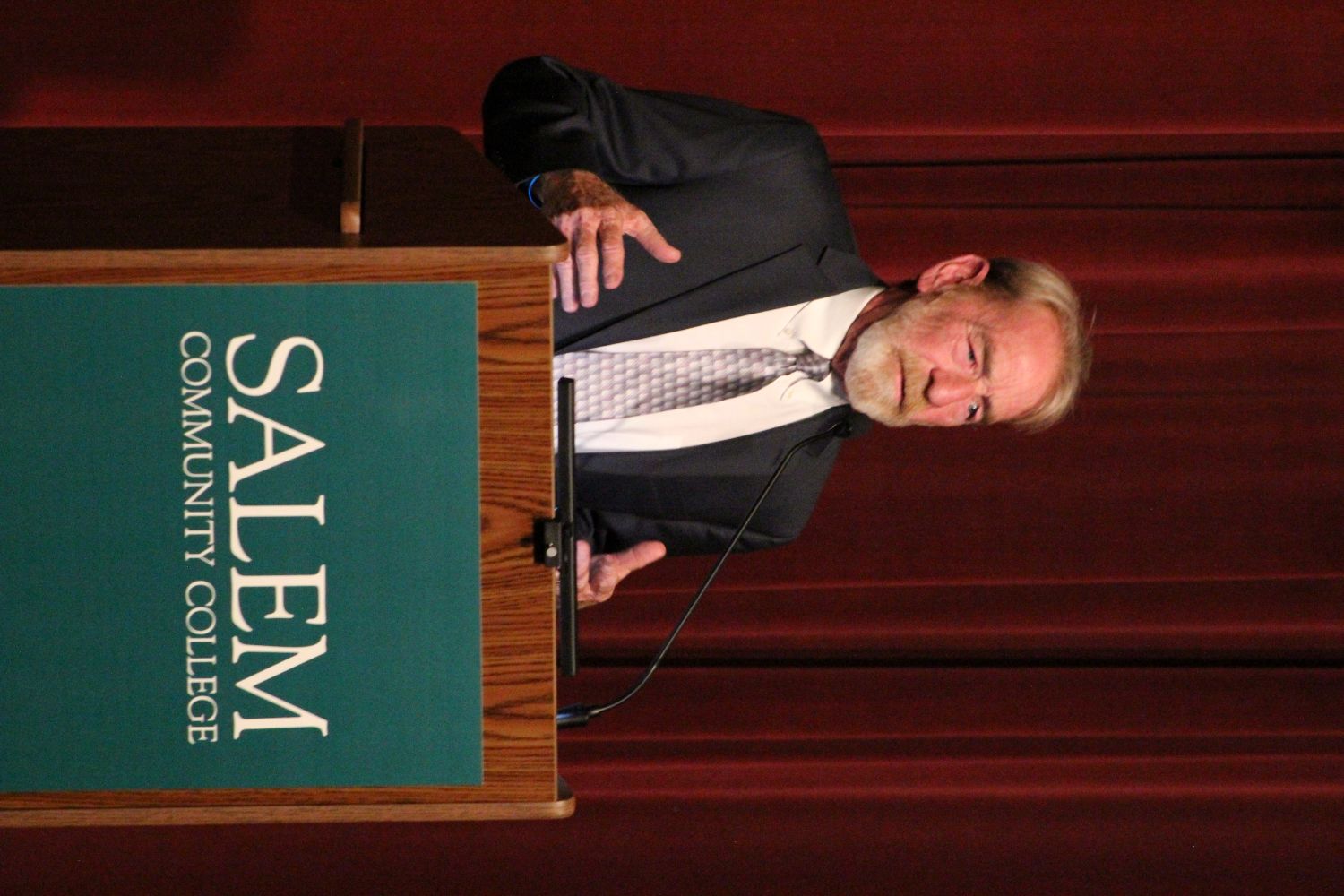
Hassler, a former county freeholder, followed with a more detailed platform: a full-throated pitch for expanding nuclear power at the Salem County site, support for the county’s agricultural base — about 48 percent of Salem County’s land, he said — and a call to bring emergency responders into the room earlier when big decisions are made. He also praised the county’s election workers and closed by asking voters to send him and Ayars to the board to stabilize tax rates and fix roads.
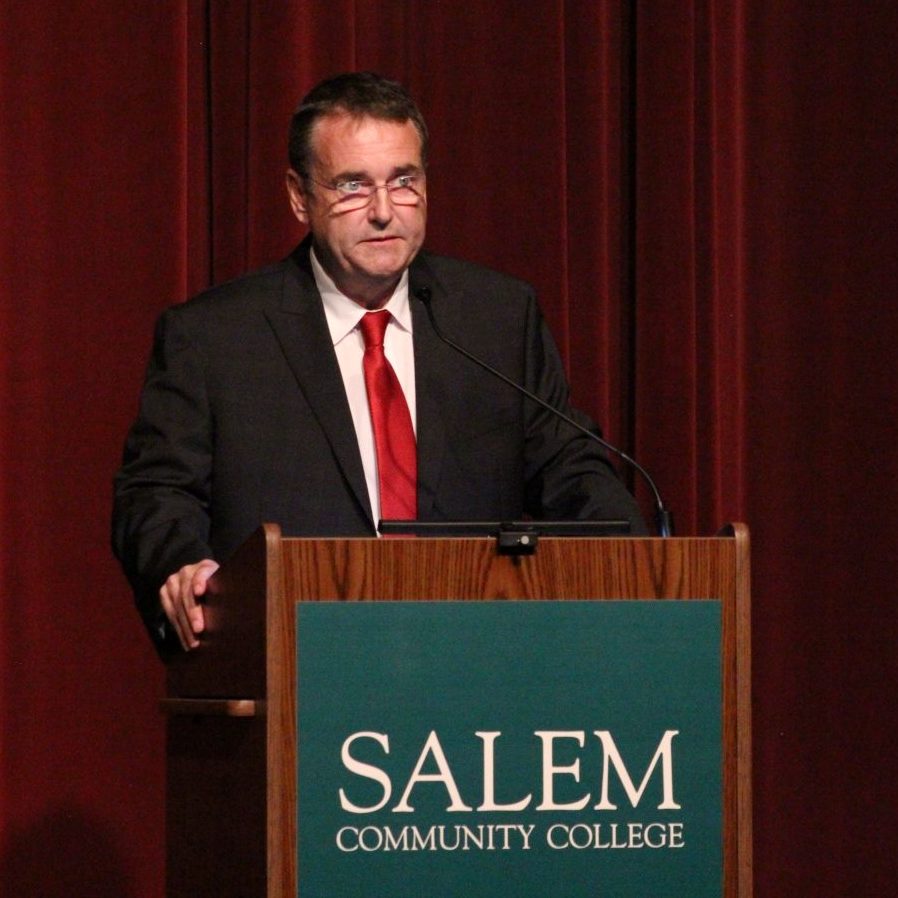
Collier, appointed to a one-year unexpired term then won a special election, pointed to his role creating the county’s Nuclear Development Advisory Council as evidence the board is preparing for both the opportunities and risks of new nuclear development nearby. He also cited nearly 25 miles of roads repaved this year and increased funding for Code Blue and homelessness services, framing his approach as “listen, get the facts, work with people, find solutions.”
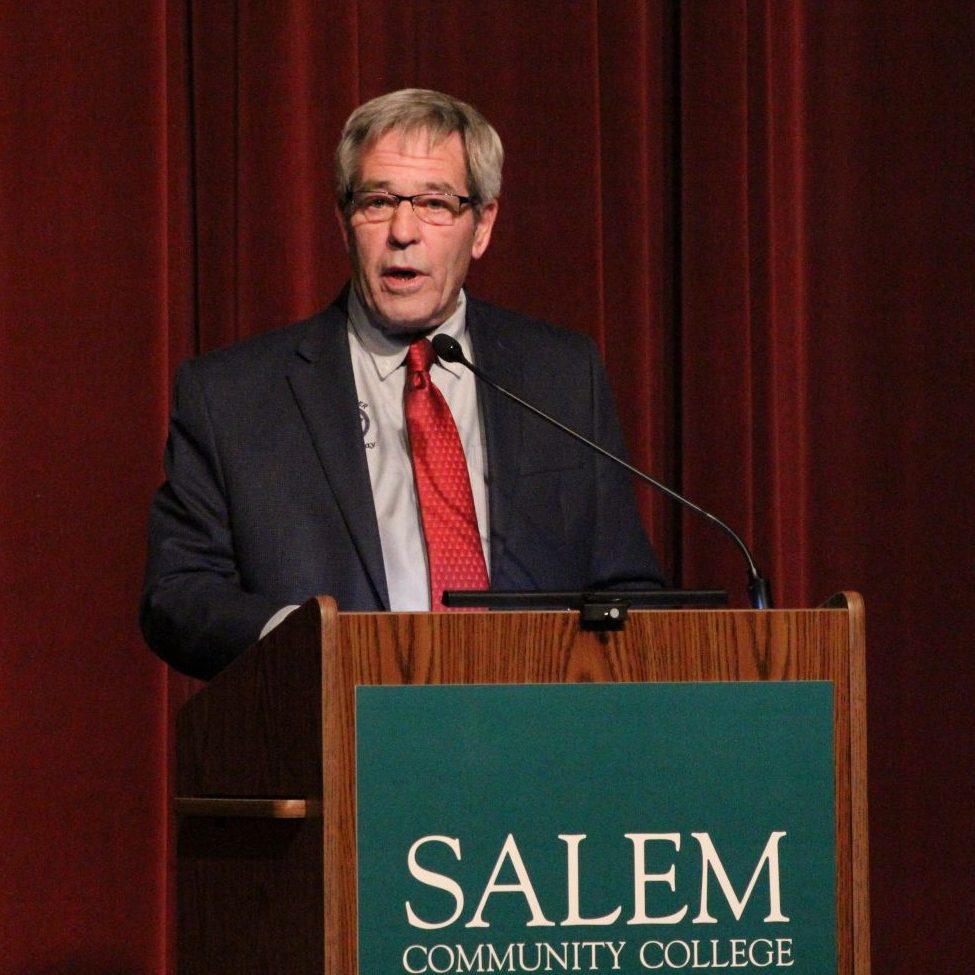
Ramsay, seeking a new three-year term after nearly six years on the board, used his time (plus an additional 90 seconds plus) to highlight the county’s pivot after the state’s offshore wind port project fell through. He said the board had insisted any commitments tied to the wind port have lasting value “should the wind port not come to fruition” — which it did not — and credited that approach with the creation of a full-time county economic development department. That office, he said, has helped position Salem County as a filming location, including the county’s first film festival this past April and several productions that have used local hotels, restaurants and transportation. Ramsay spoke for 7 minutes, 42 seconds, more than two and a half minutes past the limit, opening with about 40 seconds of congratulations to Mike Gorman. Ramsay’s remarks ran well past the limit and returned several times to the county’s film festival, and the pace of the speech stayed unhurried even as the time ran out.
All four commissioner candidates closed by urging residents to get out and vote this November. Most of the other live speakers also went slightly over, including Mullock by 24 seconds, Collier by 18 and Hassler by 11. Ayars finished within the limit. The News of Salem County urges you to attend local events these candidates will be at and engage with them. Talk to them and speak to them about the issues that you are most concerned or interested in. The News of Salem County encourages positive engagement and for you all to cast your vote!
Below is the full video from the event. We encourage you all to watch it.
This article was updated on Oct. 2, 2026, to correct the day of the forum, which was held Thursday, and to add each speaker’s time at the microphone. Times were measured from video of the event, and the forum’s time limit was five minutes per candidate.