


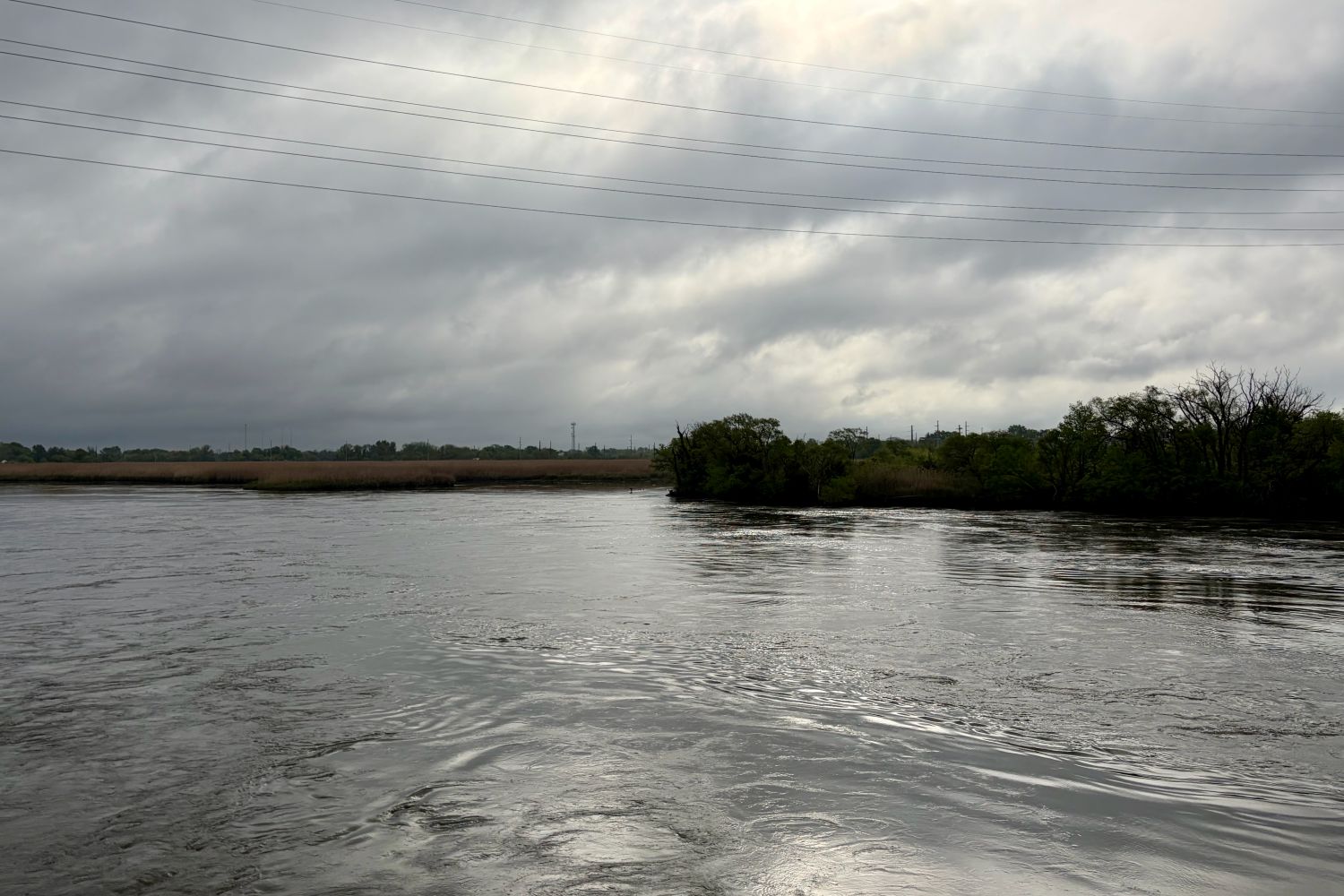
Spanning 34.7 miles, the Salem River is a vital tributary of the Delaware River. Unlike many regional waterways, its entire course and watershed lie strictly within Salem County. This isolation has created a unique sanctuary for wildlife, making it a premier destination for fishing, bird watching, and local conservation.
The River’s Course and Tributaries
The river begins its journey in Upper Pittsgrove Township southeast of Daretown Lake into the lake, then through to Slabtown Lake onto Avis Millpond, East Lake, and Memorial Lake in Woodstown. As it gains momentum, it is fed by several key tributaries:
- Game Creek
- Mannington Creek
- Fenwick Creek
After going through Woodstown and near Sharptown in Pilesgrove Township, the Salem River eventually forms the natural boundaries between Carneys Point and Mannington Townships.
The Engineering of the Waterway
One of the most interesting geographic features occurs near Deepwater. Here, the Salem River comes within two miles of the Delaware River. To facilitate movement and water management, the two bodies of water are connected by the Deepwater Canal.
The Shift to Navigable Waters
After passing the canal, the river turns south, widening into a shallow estuary as it approaches Salem City. It is at this point that the river becomes navigable for larger vessels.
- The Salem River Cut-Off: First channelized in 1925 to a depth of 16 feet.
- Tidal Influence: Both the Salem and Delaware Rivers are tidal. While the Delaware’s main shipping channel is maintained at 40 feet, the Salem River is significantly shallower, defining Salem City as a “low draft port.”
The river finally empties into the Delaware River at Salem Cove, approximately 50 miles from the entrance of the Delaware Bay.
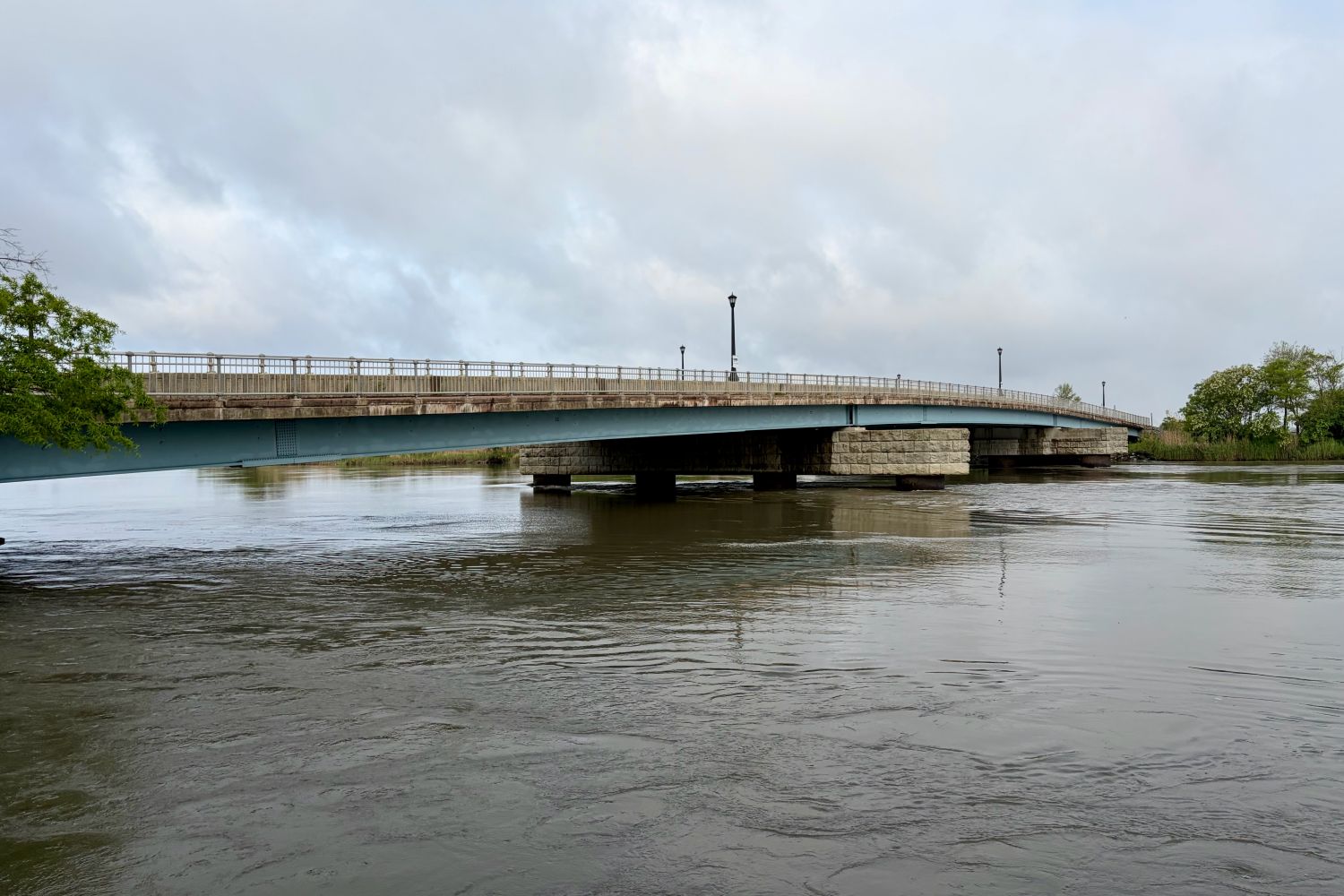
A Legacy of Names and Nations
Before it was formally named the “Salem River” by the Board on Geographic Names in 1940, the waterway was known by several historical monikers:
- Lenape Origins: The estuary was originally home to the Lenape people.
- Varkens Kill (Hogg Creek): Named by early Dutch and Swedish settlers; “Kill” is the Dutch word for “stream” or “riverbed.”
- Other variations: Firkins Creek and Varkins Kill.
Key Historical Settlements
The banks of the Salem River have seen the rise and fall of several colonial powers:
- 1641: Emigrants from the New Haven Colony settled along the Varkens Kill.
- 1642–1643: The New Sweden colony constructed Fort Elfsborg near the mouth of the river. Interestingly, the fort was eventually abandoned—not due to war, but because of the unbearable mosquito population.
- 1675: The village of Salem was established near the river’s mouth as part of the Fenwick Colony, marking the beginning of the modern city.
Navigation Fast Facts
| Location | Characteristic |
| Upper Pittsgrove | Freshwater Headwaters |
| Deepwater | Connection to Delaware via Canal |
| Salem City | Low Draft Port / Navigable Estuary |
| Salem Cove | Confluence with Delaware River |