


This Day in history 9/28/1895 Waldemar “Whitey” Witt Born
On September 28, Alloway Township quietly passes a baseball and Salem County, N.J., anniversary most of the country has forgotten; the 131st birthday of Lawton Waldemar “Whitey” Witt, born Ladislaw Waldemar Wittkowski in Orange, Massachusetts, in 1895. This year, the date lands with unusual timing. Major League Baseball’s 2026 postseason opens the very next day with Witt’s beloved Yankees taking on arch-rival Boston in the Wild Card round, followed by the Division Series starting October 3, the League Championship Series beginning October 11, and the World Series set to open October 23.
Whitey Witt never saw a Wild Card Series or a pitch clock, but he was there — literally the first man to step to the plate — when the Yankees’ championship tradition began, in the very first World Series the franchise ever won. He spent the back half of his life on a farm on Commissioner’s Pike in Alloway, and he’s buried a few towns over in Woodstown. As October baseball approaches, his is a story worth telling in full, including a few details that never made it into any newspaper obituary and turned up only in the pages of his own hometown history book, Alloway Remembers.
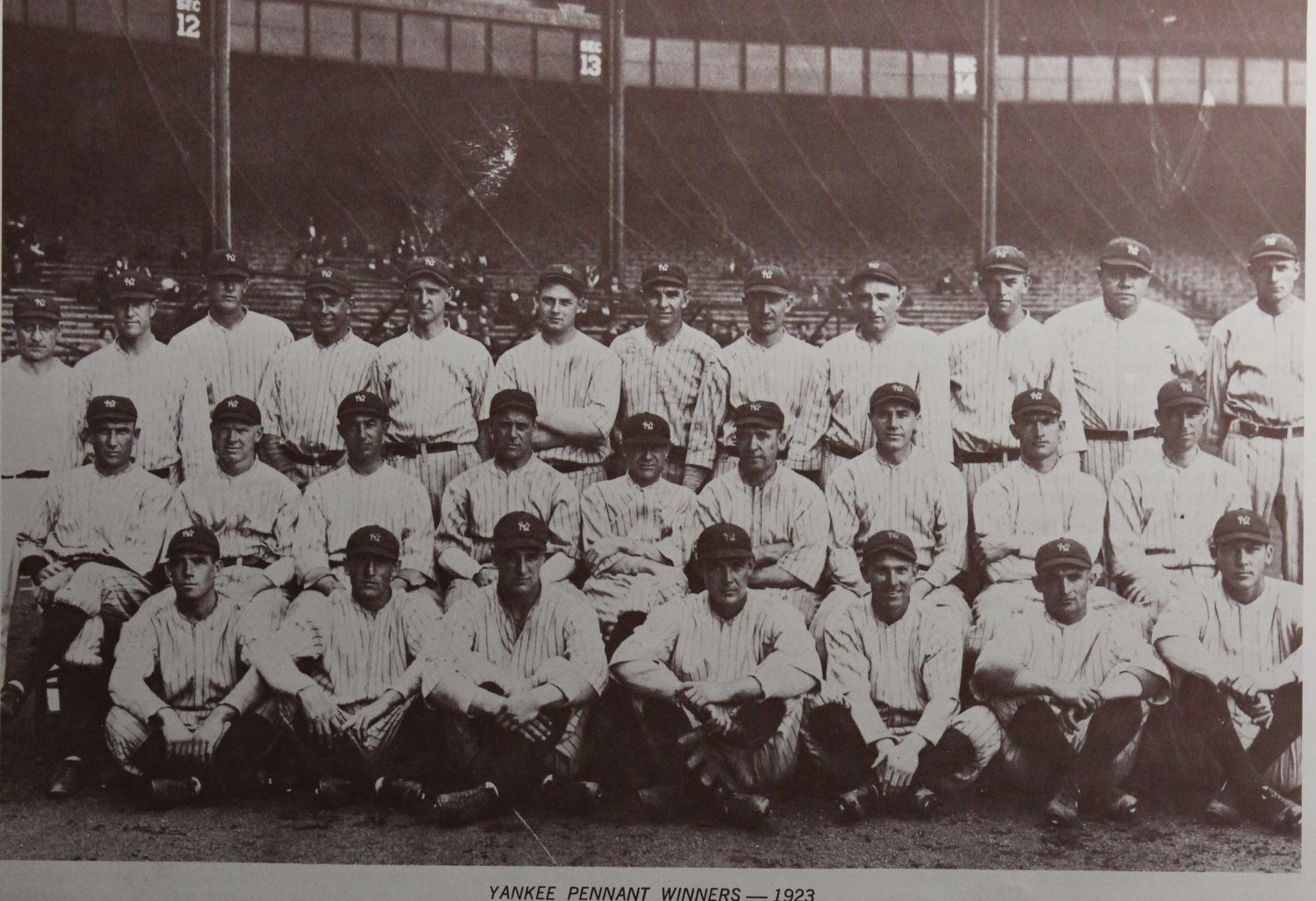
A Poor Kid With Fast Feet
Witt was born into a family with little money. He attended Goddard School, where he was known equally for his speed on the track and his exploits on the diamond. In his late teens he went off to boarding school at Goddard Seminary in Barre, Vermont; a long way, geographically and otherwise, from the mill town he’d grown up in. It was in New England’s summer resort circuit, the White Mountain League, that Witt first turned heads. Playing for St. Johnsbury, he hit over .400, good enough that a scout for Connie Mack’s Philadelphia Athletics started following him around.
At Goddard he was a four-sport athlete — baseball, basketball, hockey, and football — team captain more than once, and fast enough that people took notice of a teenager who reportedly covered 300 feet in ten seconds. The call came directly from the top. By his own account, preserved decades later by his Alloway neighbor Elm McCormick, who interviewed him for what became a four-page profile in Alloway Remembers, Witt had actually been accepted to Bowdoin College, bound for a career in medicine, when Mack’s telegram arrived asking him to meet in Boston.
“I went right from high school to the A’s,” Witt told McCormick. Pre-med gave way to a two-year contract before he ever set foot on a college diamond; an $1,800 salary and a $500 signing bonus, real money for a kid who’d never had any. Mack also gave him his professional name. Wittkowski was trimmed to Witt for the lineup card, and the platinum-blond hair that had nothing to do with his ability did the rest. “Whitey” stuck for the next seven decades.
Seven Lean Years in Philadelphia
Witt debuted for the Athletics on April 12, 1916, as a 20-year-old shortstop, playing alongside the aging Hall of Famer Nap Lajoie. It was not a glamorous introduction. He led American League shortstops in errors that year, and the Athletics finished last, which they would keep doing for most of Witt’s time there. He hit .245 as a rookie and .252 in his second season, before his career was interrupted by the war.
“The First Big Leaguer Drafted”
When the United States entered World War I, Witt didn’t wait to be called up. By his own account, he was the first major leaguer drafted into the service. He trained at the Charlestown Navy Yard in Boston alongside three future big-league teammates and rivals — pitcher Herb Pennock, first baseman Del Gaynor, and infielder Rabbit Maranville — taking batting practice on the Harvard College diamond when duty allowed. His war was mostly convoy duty, ferrying troops and supplies across the Atlantic without ever landing overseas.
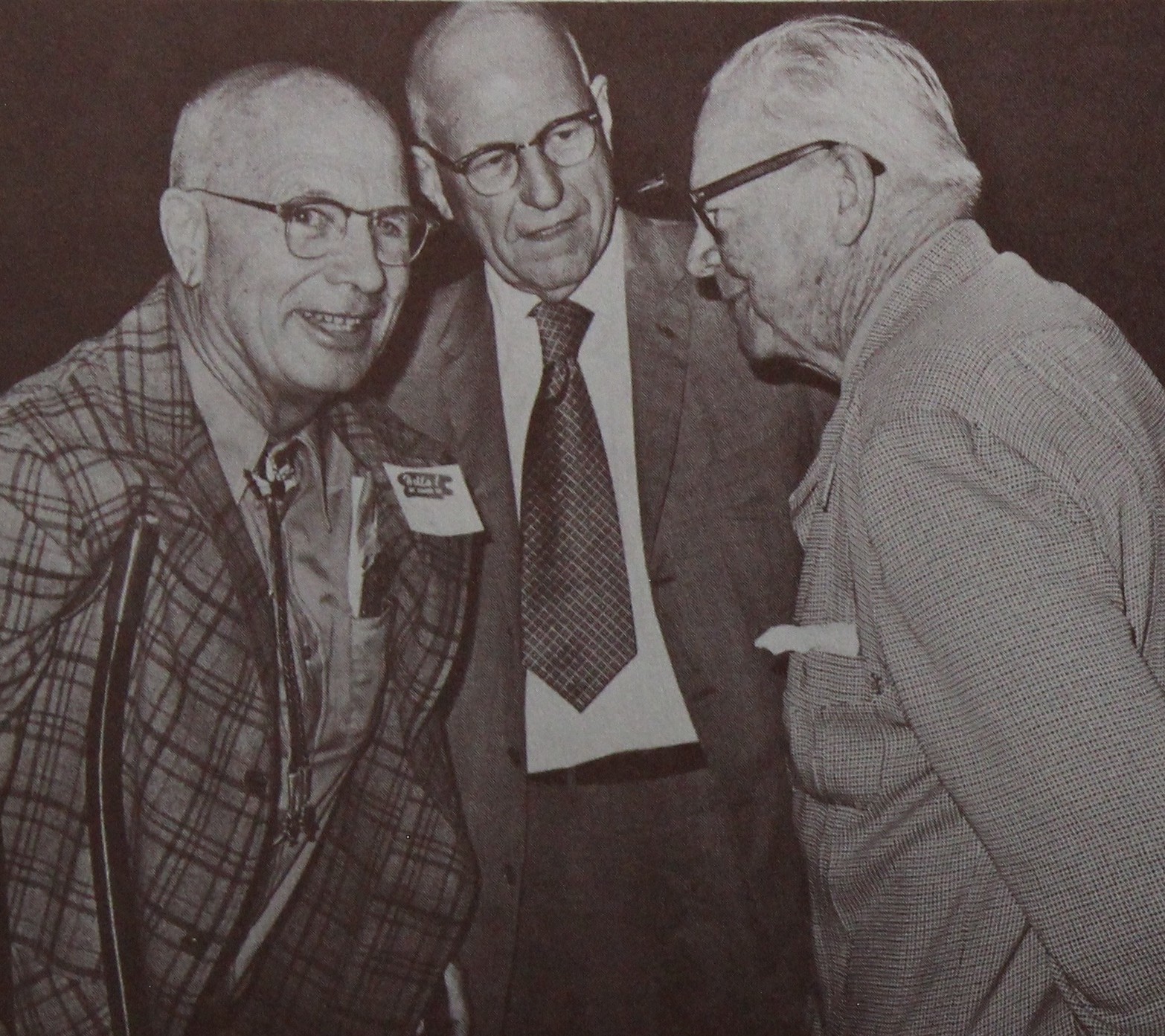
He returned to the Athletics in 1919 a changed ballplayer. Mack moved him to the outfield for good, and the light-hitting shortstop of 1916 turned, almost overnight, into one of the American League’s best leadoff men, batting .267 that year, then stringing together four more seasons between .297 and .321, topping out in 1921 with 198 hits over a full 154-game schedule.
That same year, 1919, also produced a homegrown financial squabble that had nothing to do with the war. Witt had just taken over a farm in the township, the same ground, expanded over the years, that he’d live on for the rest of his life, and he needed cash to run it. When Mack’s contract offer didn’t cover it, Witt held out briefly before giving in and reporting to camp. It was a preview of a bigger holdout two years later that would end his career in Philadelphia for good.
None of it was enough to get him paid what he thought he was worth. After the 1921 season, Mack offered a raise Witt considered an insult, reportedly telling him it was take it or “I’ll keep you out of baseball.” The dispute came to a head that spring in a rain-soaked exhibition game in Eagle Pass, Texas, when an angry Witt deliberately sailed a throw over his catcher’s head to cost the Athletics the game. Mack, unamused, put him on the trading block within days.
Pinstripes, a Coca-Cola Bottle, and a Brand-New Ballpark
The Yankees paid roughly $15,000 for him, a startling sum at the time, and Witt, who had just bought a South Jersey farm and wasn’t eager to leave Philadelphia, showed up to camp late after a detour to Atlantic City. Manager Miller Huggins didn’t hold it against him, sweetening his salary to $9,000 and installing him as leadoff man and center fielder. The timing worked out: When Commissioner Kenesaw Mountain Landis suspended Babe Ruth and Bob Meusel for six weeks in 1922, Witt stepped into a bigger role and delivered, leading the American League with 89 walks and scoring 98 runs.
That pennant race nearly ended in tragedy. In a September game at St. Louis’s Sportsman’s Park, a fan in the bleachers threw a Coca-Cola bottle that struck Witt in the head and knocked him out cold; he had to be carried off on a stretcher. He was back on the field within days, bandaged, and delivered a key hit in the season’s final game to help clinch the pennant.
His signature moment came the following spring. On April 18, 1923, in front of a crowd estimated near 74,000, well beyond the new stadium’s listed capacity, with Governor Al Smith throwing out the first pitch and John Philip Sousa’s band playing, Witt stepped in as the very first batter in Yankee Stadium history. He grounded out, but came around later to score the ballpark’s first run when Ruth homered behind him; a day Witt, telling the story 55 years later to his Alloway neighbor Elm McCormick, still measured by ownership rather than history. “The stadium me and Babe Ruth built,” he called it, recalling a one-for-three afternoon with two walks. That 1923 season was his best: A .314 average, 113 runs, a career-high six home runs, and finally a World Series ring, or rather a gold watch, plus a winner’s share of $3,132.50, as the Yankees beat the Giants for their first championship.
Off the field, Witt and Ruth, born the same year, became close friends; Ruth called him “Laddie Boy” and the two briefly roomed together. Their friendship got them both fined by owner Jacob Ruppert after a Prohibition-era drinking episode at an illegal Chicago brewery; Ruth $5,000, Witt $500. When Ruth died in 1948, Witt stood by his casket at Yankee Stadium for five hours. He rated Ruth and Ty Cobb the two greatest players he ever saw, remembering Cobb as a needling, “fresh guy” forever chirping at Ruth, but Ruth, his old road roommate, came first in his affections. And he had the numbers to back up his own eye for hitting; against Walter Johnson, one of the most feared pitchers in the game, Witt hit .311. His old manager agreed. Connie Mack told McCormick that no Athletics batter ever handled Johnson’s fastball better than Witt did.
A Few What-Ifs
Two stories Witt liked to tell McCormick never made the record books, but they say plenty about the era he played in. Jersey City’s colorful mayor, Frank Hague, once tried to talk Witt into managing his Jersey City Jays of the International League, flattering enough that Witt still remembered the offer decades later, though after so many years of playing he never pursued it. And there was the afternoon in Boston when Red Sox pitcher Howard Ehmke, coming off a no-hit, no-run masterpiece in his previous start, faced the Yankees next and Witt led off as the very first hitter of the game.
Witt hit a hot bouncer down the third-base line that Boston’s Howard Shanks couldn’t handle cleanly. Sportswriter Frank Lieb, scoring the game, ruled it a hit rather than an error. The play cost Ehmke a shot at back-to-back no-hitters, with a farm boy from Alloway Township standing at the center of it.
The Long Ride Down, and Home to Salem County
Witt’s skills faded quickly after 1923. A rookie named Earle Combs took over center field in 1925, and the Yankees sold Witt to Brooklyn that winter. He lasted one more big-league season, playing his final major-league game on August 18, 1926, and finishing with a career line of a .287 average, 1,195 hits, and 632 runs scored over 11 seasons. Rather than quit outright, he played three more years in the high minors with the Mission Reds of San Francisco, the Kansas City Blues, and the Reading Keystones before retiring from professional baseball for good after the 1929 season.
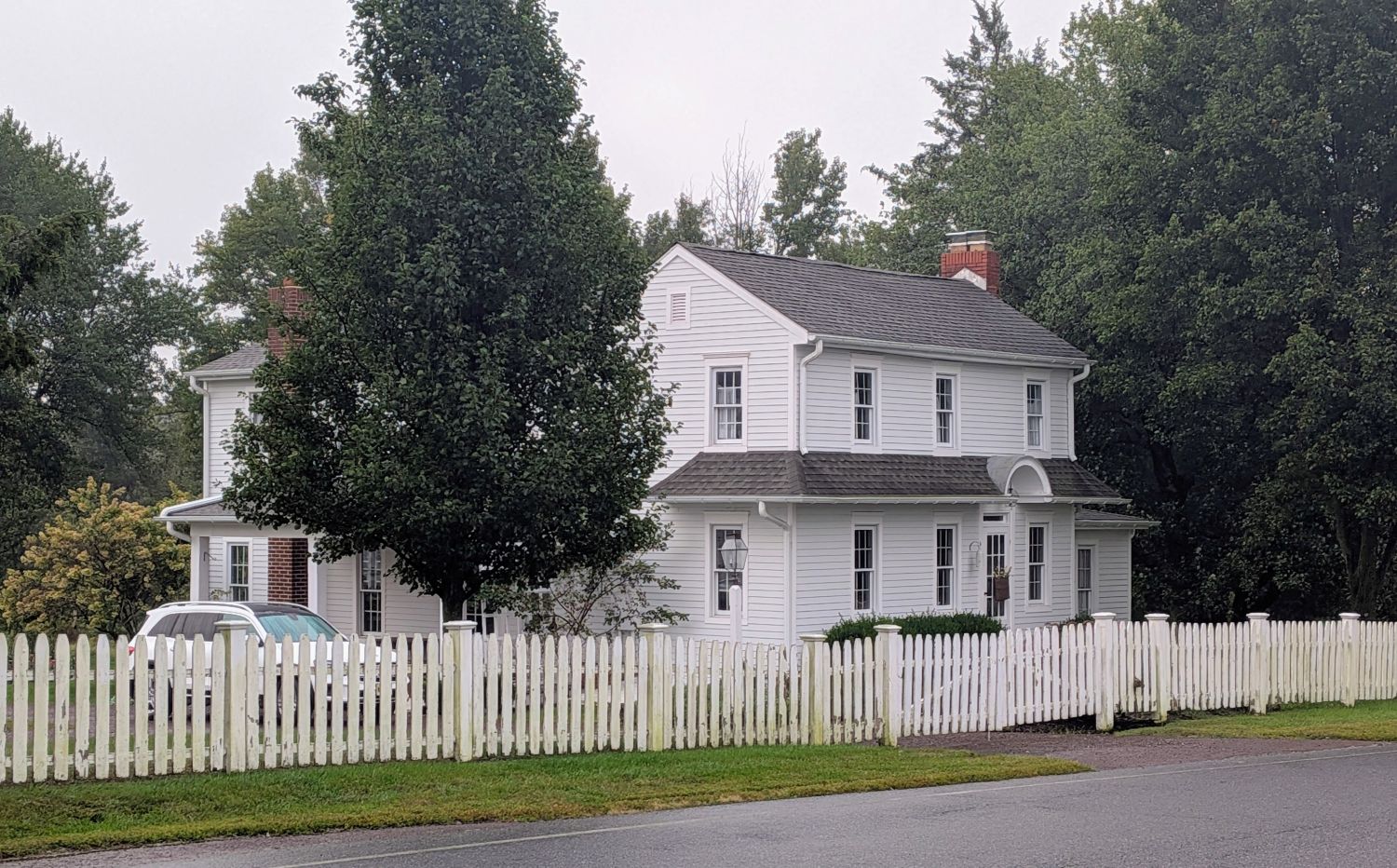
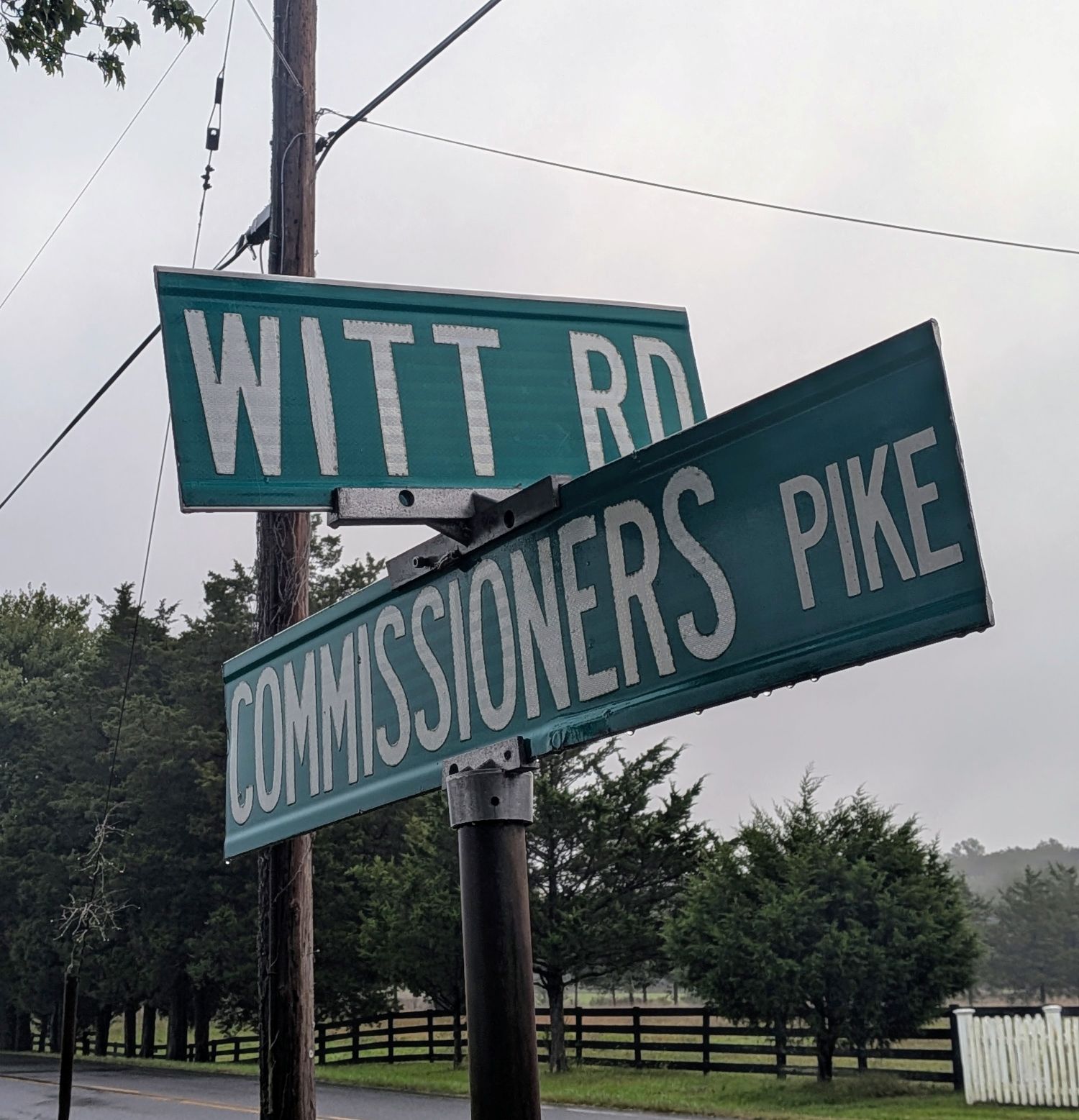
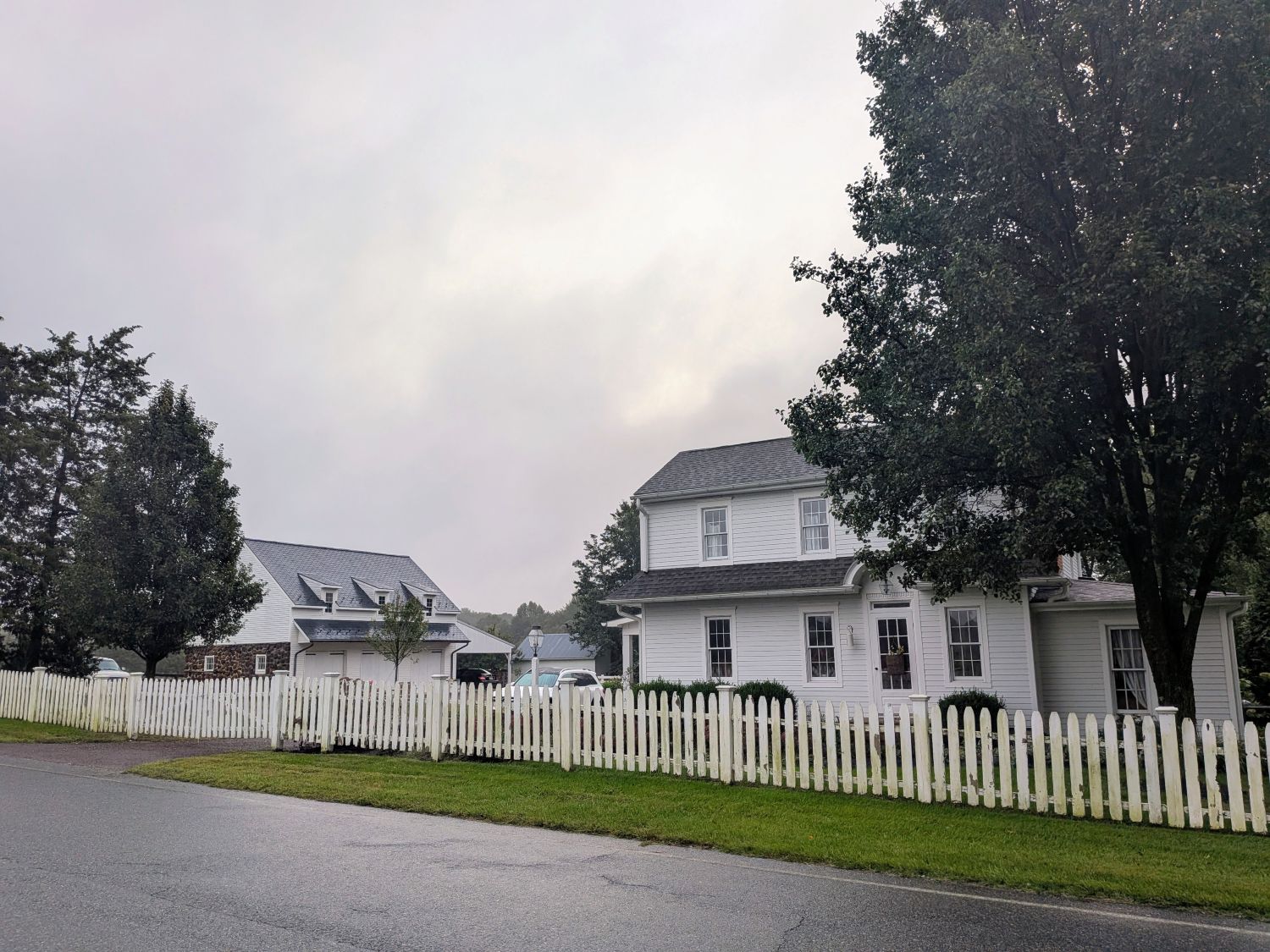
He came back to South Jersey and stayed. Witt opened Whitey’s Irish Bar on Main Street in Woodstown, running it for decades, a stop where old ballplayers and locals alike came to hear him tell stories about Ruth, Cobb, and the 1923 Yankees. He married Mary McClain, who died in 1962; the couple had no children. Witt lived out his later years in a farmhouse he had bought back in 1921, on Commissioner’s Pike, in Alloway Township, on ground once known locally as “Crawley’s,” directly across from the road that still bears his own name today, Witt Road, surrounded by the harness-racing horse farms that came to define that stretch of Salem County, and splitting his time between New Jersey summers and Florida winters.
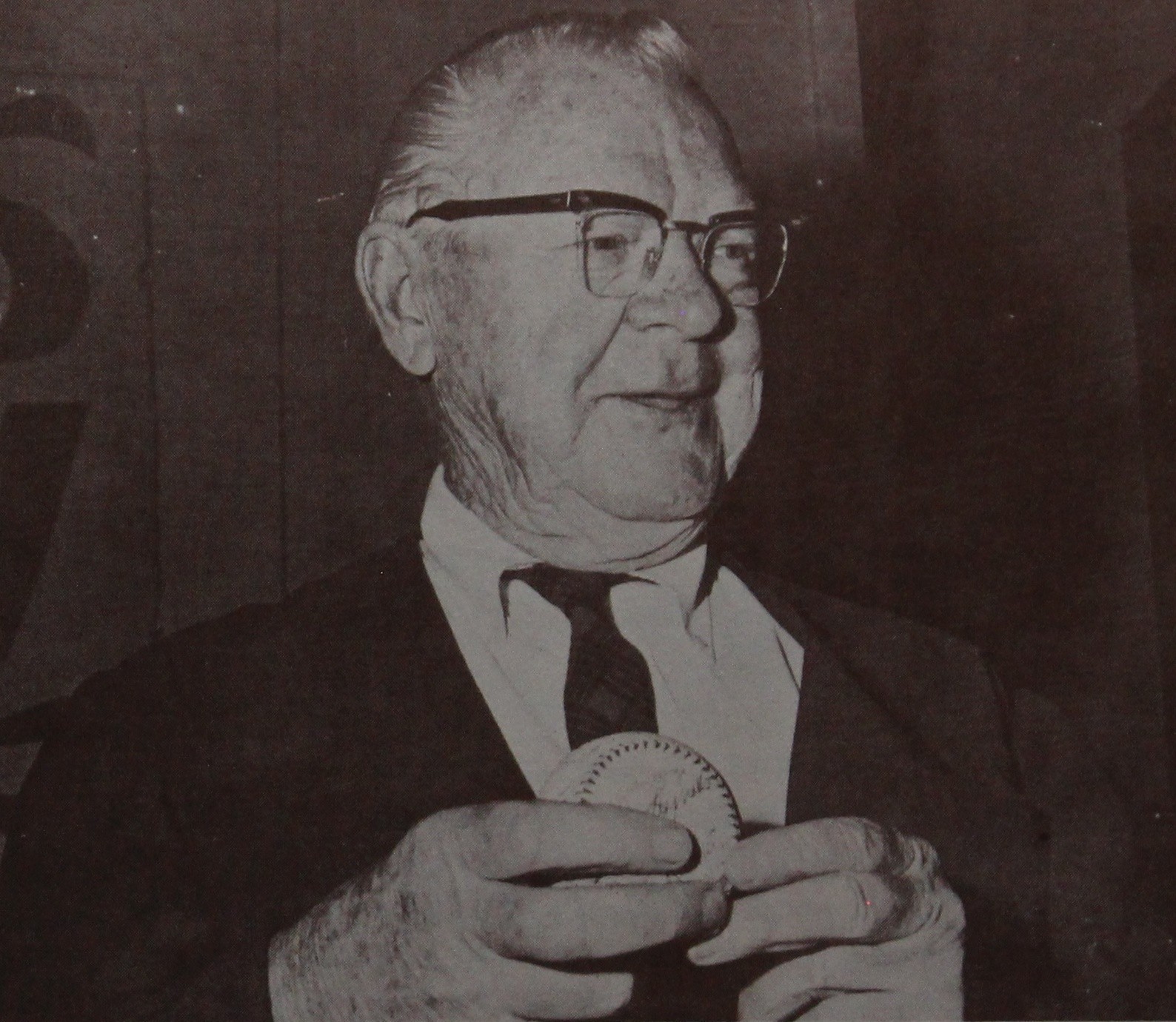
He was a regular at the Swedesboro Golf Club, playing three times a week into his nineties and sometimes shooting his age, and he had golfed in baseball players’ tournaments across the South in his prime. He made regular drives to the Delaware racetracks, kept a house full of Yankees mementos — his championship watch, baseballs signed by Ruth — and was honored as a special guest at Yankee Stadium’s 25th-anniversary celebration in 1948. He came back once more in 1973, at 77, for the stadium’s 50th anniversary, photographed waving to the crowd with Mrs. Babe Ruth on his arm; by then one of the last living links to the men who’d built the place.
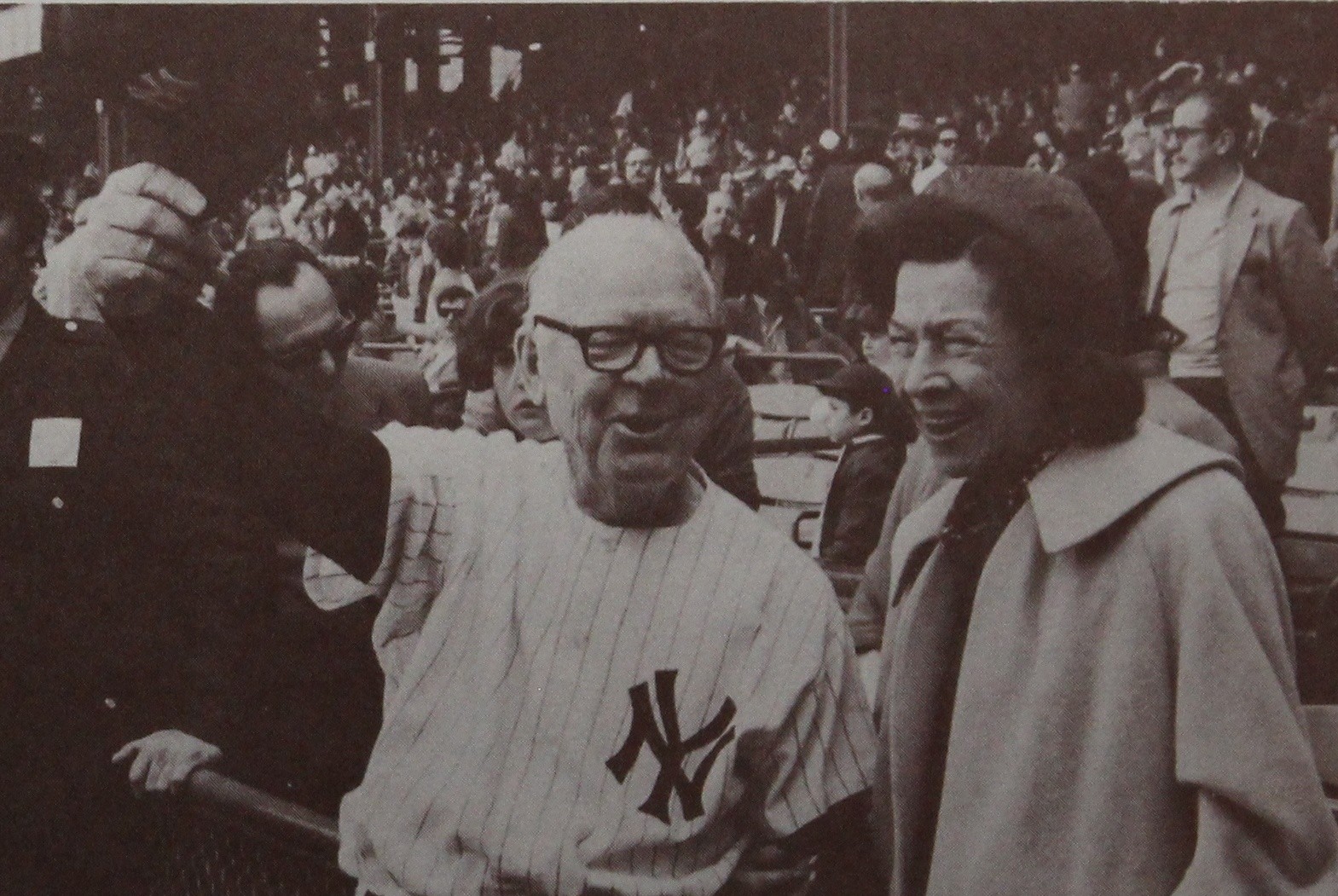
By the time Whitey Witt died at home on July 14, 1988 — the day after playing 18 holes of golf — he had outlived every other man who had played for that 1923 championship Yankees team. He is buried at St. Joseph Church Cemetery in Woodstown, not far from the bar he ran and the fields where a poor kid from Massachusetts, once renamed for a big-league scorecard, became a small piece of Salem County’s own baseball history. As another October arrives and another set of Yankees hopefuls chase a ring, Alloway’s own remains the answer to a good trivia question; and, on Commissioner’s Pike, still very much a piece of home.