


112 years ago; a fatal derailment on the Quinton shuttle shocked a tight-knit community.
ALLOWAY — On Friday, Sept. 18, 1914, the daily shuttle from Quinton to Alloway Junction made its usual rounds; it ferried local high schoolers off to classes in Woodstown and connected workers to regional rail lines. Shortly after 5 p.m., running behind schedule, the five-car train set out on its return trip; it would never reach the station.
Disaster at Deep Run
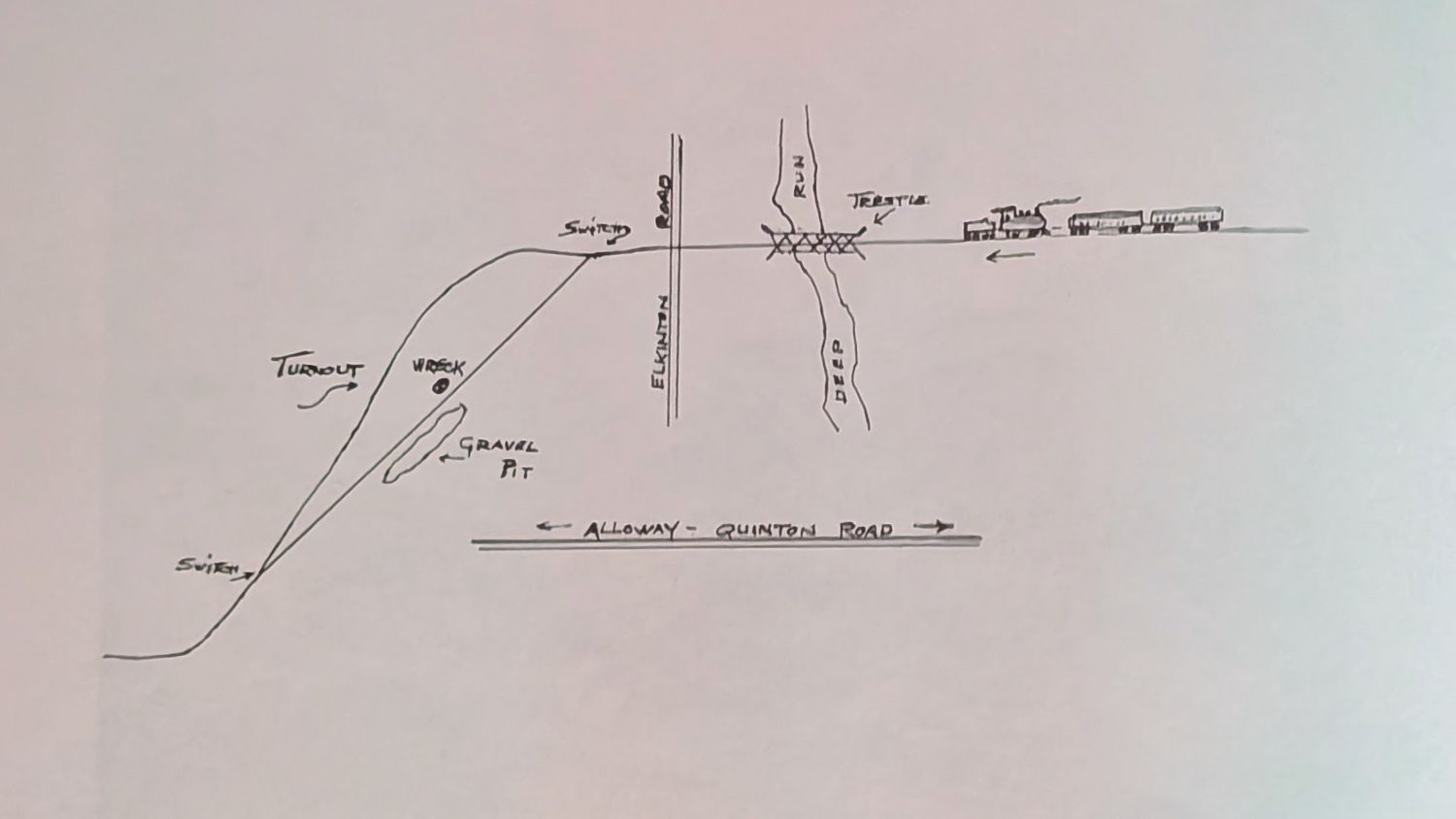
Because Quinton lacked turning facilities for locomotives, the engine operated in reverse; it ran tender first with a reduced coal load. Pushing a baggage car, three milk cars, and a single rear passenger coach, the heavy locomotive sped backward toward a sharp curve and turnout switch just beyond the Deep Run trestle, near present-day Elkinton Road.
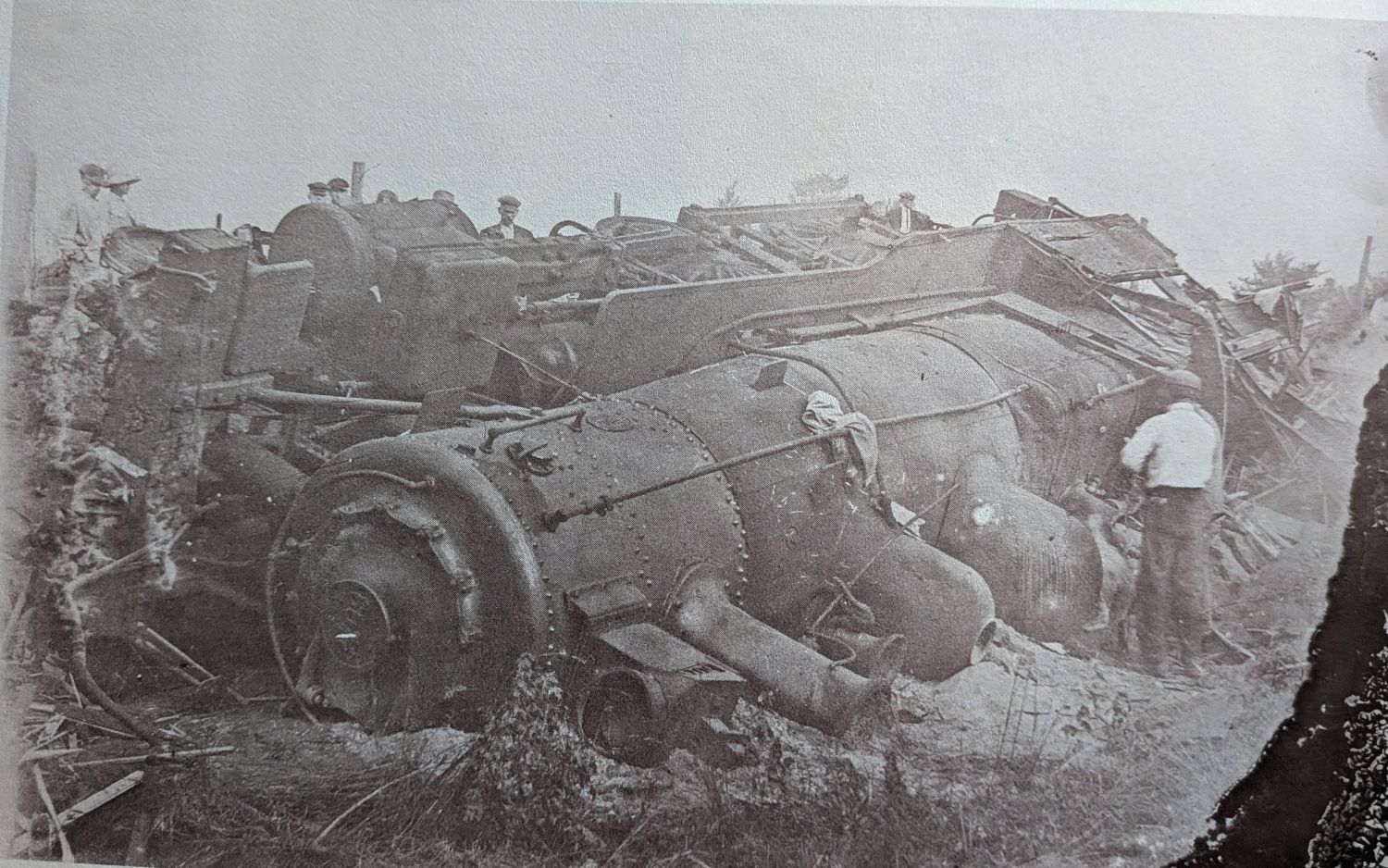
The lighter tender failed to hold the rails through the bend; it jumped the roadbed and tumbled down the embankment, dragging the heavy engine with it. The baggage car split wide open and two milk cars derailed; only the rear coach, carrying conductor Frank E. Smith, the train crew, and a few passengers, remained upright on the track.
A Town Shaken by Tragedy
Engineer John McCullough survived with severe steam burns; however, 22-year-old fireman Frank B. Treen was pinned beneath the overturned locomotive and killed instantly.
Hearing the prolonged whistle echo into town, local residents rushed to the crash site; citizen George Osborne helped dig Treen’s body from the wreckage, while station agent Frank Timberman took on the heartbreaking task of informing Treen’s young widow, Rachel. Officials summoned to investigate found no evidence of foul play; they ruled the wreck a tragic accident. Treen was buried three days later by his Masonic brothers.
Preserved in Local Memory
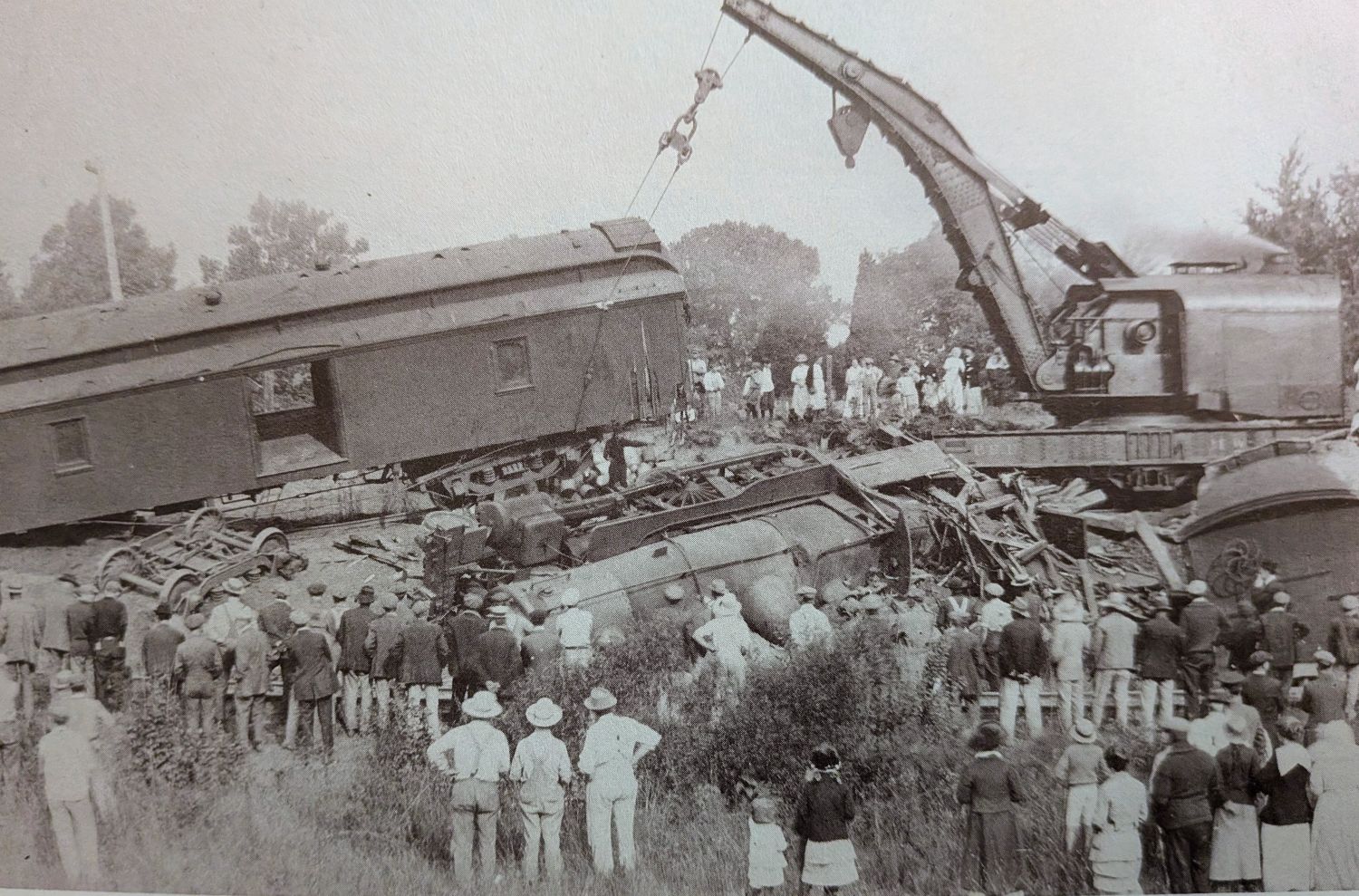
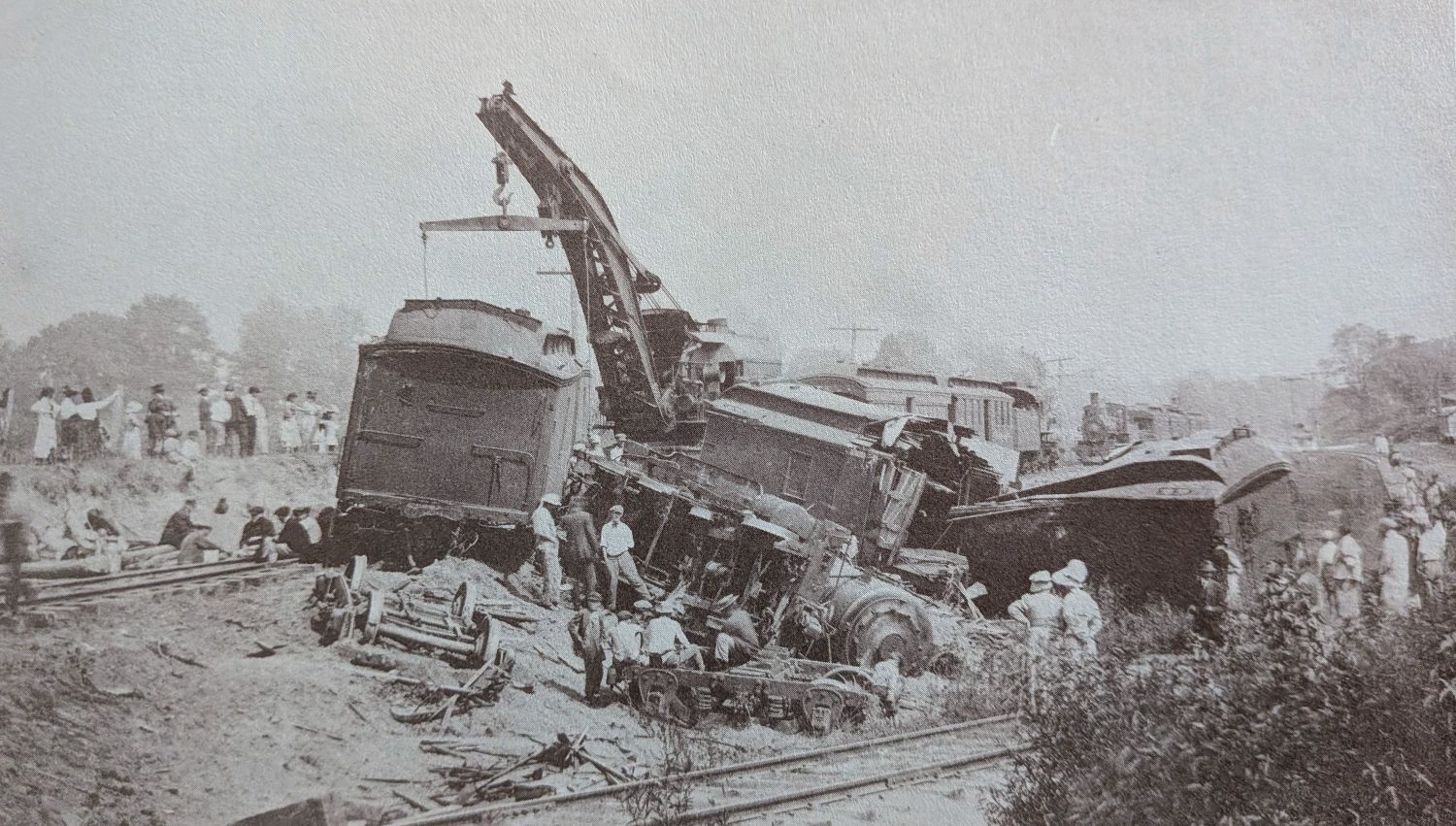
The disaster quickly drew much of the township to the tracks near the Alloway gravel pit; crowds of onlookers lined the embankment to watch a steam-powered wrecking crane hoist the derailed cars back onto the roadbed.
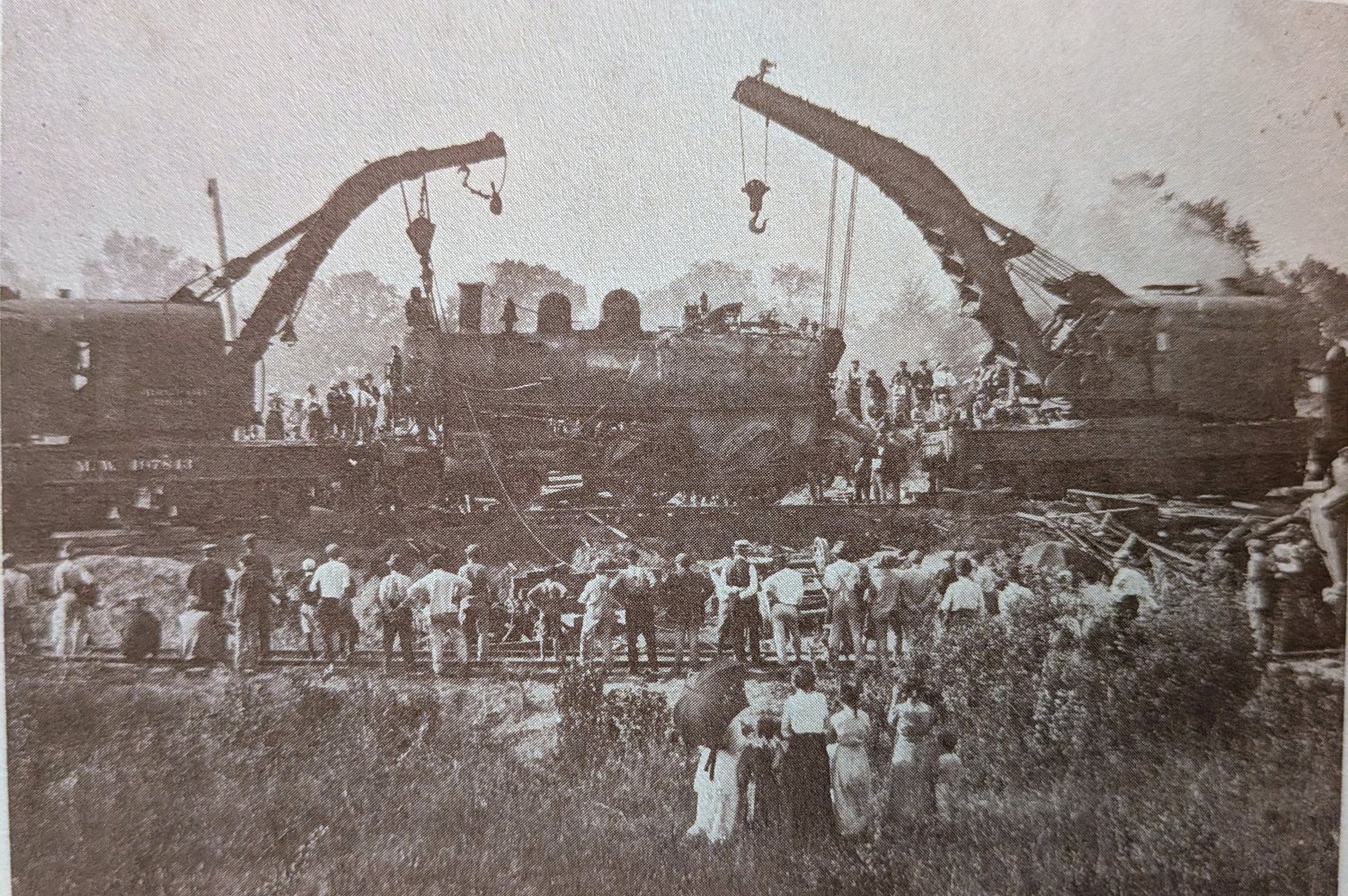
Today, the tragedy remains uniquely documented through twin historical accounts; specifically, William B. Sickler Jr.’s Alloway Remembers and William B. Vanneman’s Fond Recollections. Over a century later, surviving archival photos of straw-hatted spectators along the tracks remain a poignant reminder of an afternoon that forever altered the local community.