



The Hidden Soul of Parvin State Park: The Rich History and Current State of Thundergust Lake
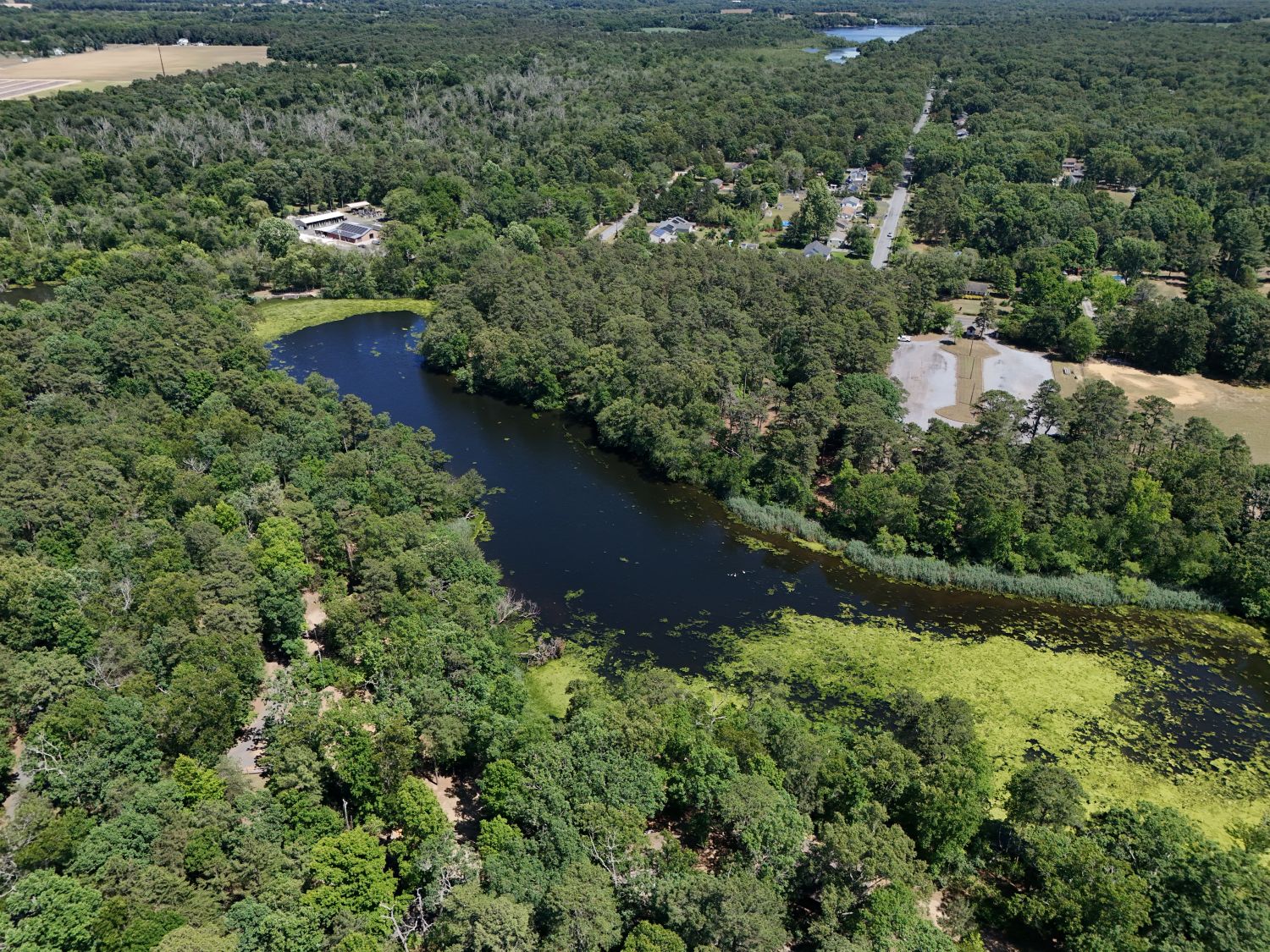
PITTSGROVE TWP — While many South Jersey residents are familiar with the bustling shores of Parvin Lake, true nature enthusiasts and local history buffs know that the real soul of the region is found just a short walk south. Tucked quietly into the northern forests of Parvin State Park lies Thundergust Lake, a peaceful 12-acre retreat that represents a unique ecological transition zone where the sandy Pine Barrens meet the lush coastal plain.
As summer heat rolls through Salem County, park officials have issued a few important updates for visitors. If you are planning a trip to the park, here is what you need to know about current conditions, local regulations, and the fascinating history behind this hidden jewel.
Current Status: Fishing is Open, Swimming Never Has
There is currently a tale of two lakes happening within the park boundaries:
- Parvin Lake: The swimming beach is currently closed to swimmers.
- Thundergust Lake: Remains fully open for fishing and boating.
Important Advisory: Visitors are reminded that Thundergust Lake has never allowed swimming. This rule is especially critical right now, as the lake is currently experiencing a severe algae bloom. Keep children and pets away from the water’s edge, and stick to the safety of watercraft or the shoreline banks.
Anglers will find excellent warmwater sport fishing here. The lake is teeming with Largemouth Bass, Bluegill, and Chain Pickerel. Bank fishing is highly accessible via natural “windows” cut through the brush and a small wooden dock structure. A valid New Jersey fishing license is required for anyone aged 16 to 69.
A Unique Ecological and Hydrological Profile
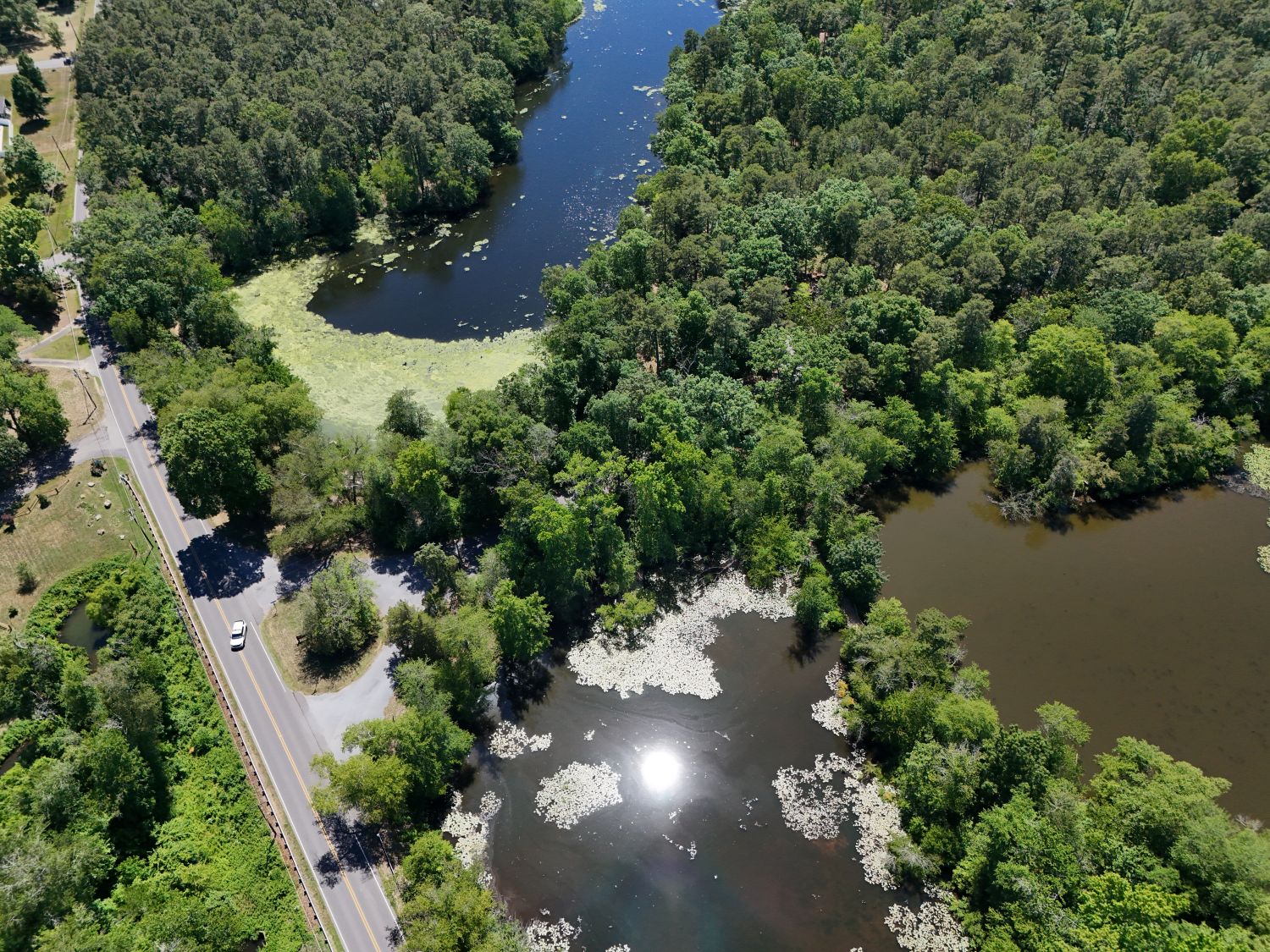
Though it looks like a deep basin from the shoreline, Thundergust Lake is remarkably shallow, with an average depth of only 4 feet. The only areas reaching depths of 6 to 8 feet are localized right by the southern dam structure.
True to its Pine Barrens influence, Thundergust Brook feeds the lake with slightly acidic, tea-colored “tannic” water, stained naturally by the organic matter and roots of surrounding cedar swamps. The lake sits on coarse, sandy Evesboro soils, surrounded by a diverse canopy of pitch pine, oak, sassafras, and sweetgum, while the marshy shores sport dense thickets of highbush blueberry and water-filtering sphagnum moss.
Built by Veterans: The Great Depression and the “Great Flood”
Long before European settlers established sawmills here, these waters were the ancestral lands of the Lenni-Lenape Native Americans. However, the modern footprint of Thundergust Lake is a direct monument to Franklin D. Roosevelt’s Civilian Conservation Corps (CCC).
The CCC Era
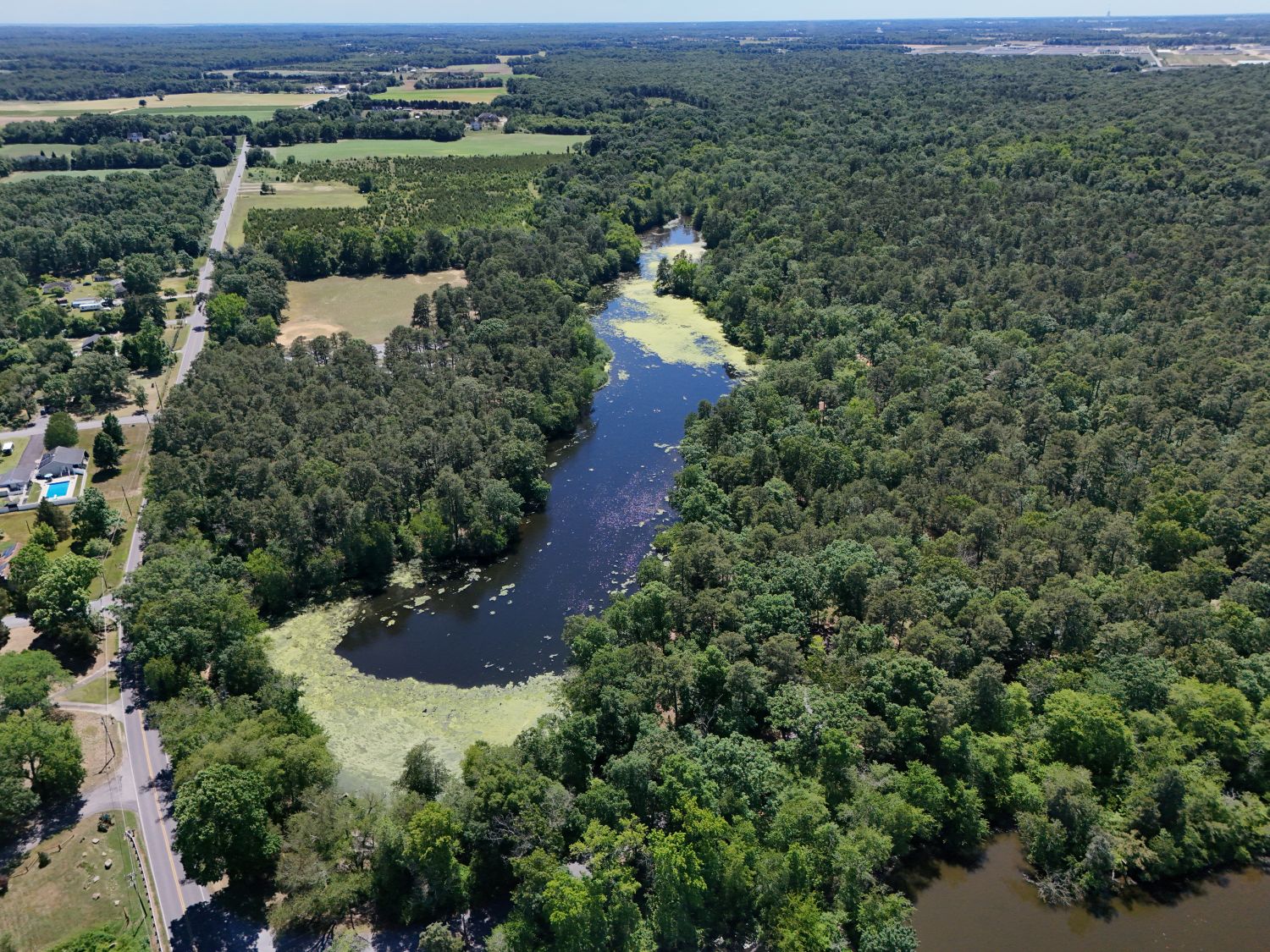
Between 1933 and 1937, CCC Company 1224 began the monumental task of clearing out the wild, marshy swamp fed by Thundergust Brook. In 1937, a new CCC company comprised entirely of World War I veterans took over the camp. These skilled older craftsmen put the finishing touches on the lake, building the iconic White Bridge and constructing the 18 historic rental cabins that still line the northern shore today.
The Great Flood of 1940
Just as the lake neared completion, disaster struck. On September 1, 1940, the “Great Flood” tore through South Jersey. Torrential rains caused the newly constructed Thundergust dam to fail, washing away the earthen works. Undeterred, the CCC veterans began rebuilding. The project was ultimately finished in May 1942 by the New Jersey State Highway Department after the CCC disbanded due to World War II.
A Global Footprint in Salem County
Beyond its natural beauty, Thundergust Lake played host to several critical global events during the mid-20th century, serving as a sanctuary for those displaced by war:
- Japanese-American Safe Haven (1943): Charles Seabrook of nearby Seabrook Farms employed displaced Japanese-Americans relocated from West Coast internment camps. During the summers, Thundergust Lake was utilized as a safe summer day camp for their children.
- German POW Camp (1944): German prisoners of war from Erwin Rommel’s Afrika Corps were housed in the park’s CCC camp buildings, working on local agricultural farms and packing plants.
- The Kalmycks (1952): Following WWII, the lakeside camp served as transitional housing for the Kalmycks, a displaced group of Eastern European refugees fleeing their homelands.
Plan Your Visit
If you want to experience Thundergust Lake for yourself, here are the logistical details:
Hiking: The shoreline serves as the trailhead for the scenic, 1-mile Thundergust Lake Trail loop, which connects to the larger park trail network.
Location: 701 Almond Road, Pittsgrove, NJ 08318. Direct vehicle access to the cabin area and boat ramp is off Parvin Mill Road (County Route 645).
Parking & Amenities: Free public parking is available at a gravel lot near the Thundergust Cabin Recreation Area. Public restrooms, picnic tables, and charcoal grills are available on-site.
Boating Restrictions: A concrete trailer launch ramp is located on the western bank. Electric trolling motors only are permitted; gasoline-powered motors are strictly prohibited to preserve the lake’s tranquility.