


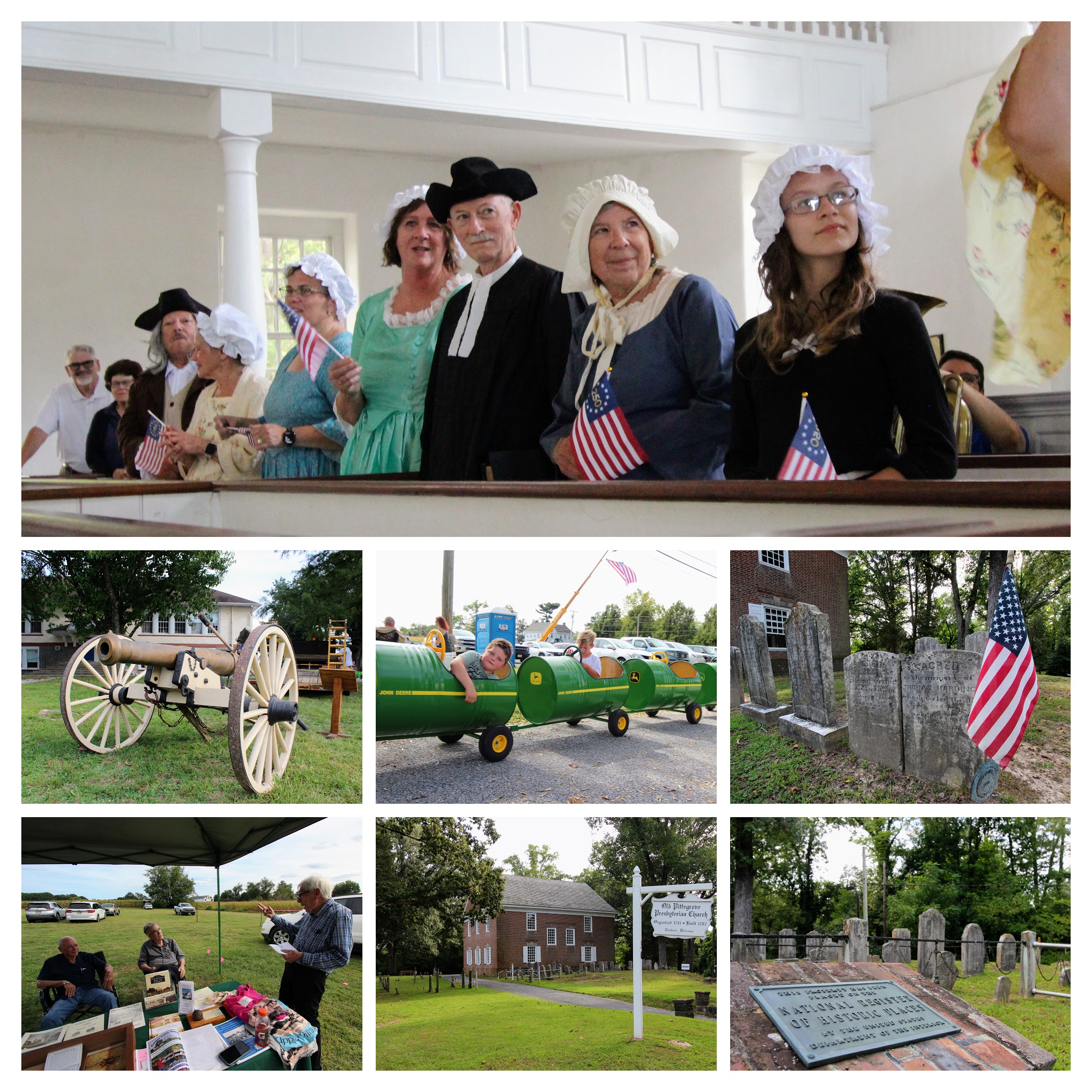

UPPER PITTSGROVE — The last time Daretown Day happened, it was 2016. On Saturday, the little crossroads community in Upper Pittsgrove Township got its festival back, and this time it came wrapped around America’s 250th anniversary.
I went later in the afternoon, once the sun was a bit past its peak. Daretown is quite the hike on foot to and from event locations, and there is never any telling what the crowd will look like at any given event on any given day; going later also meant seeing the day from a perspective not many get, the volunteers and community members who are really at the helm of an event like this one, long after the bigger crowds have thinned out.
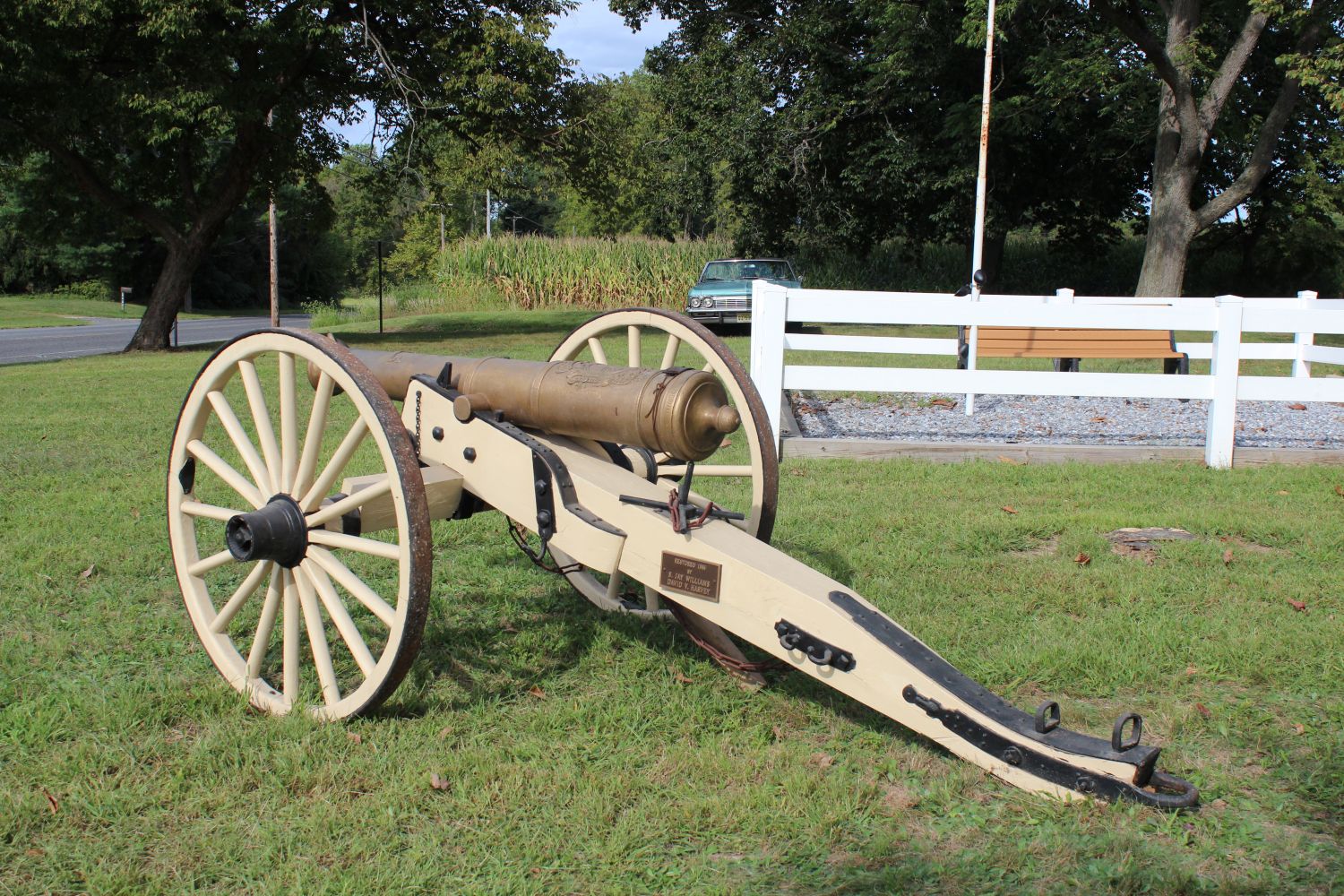
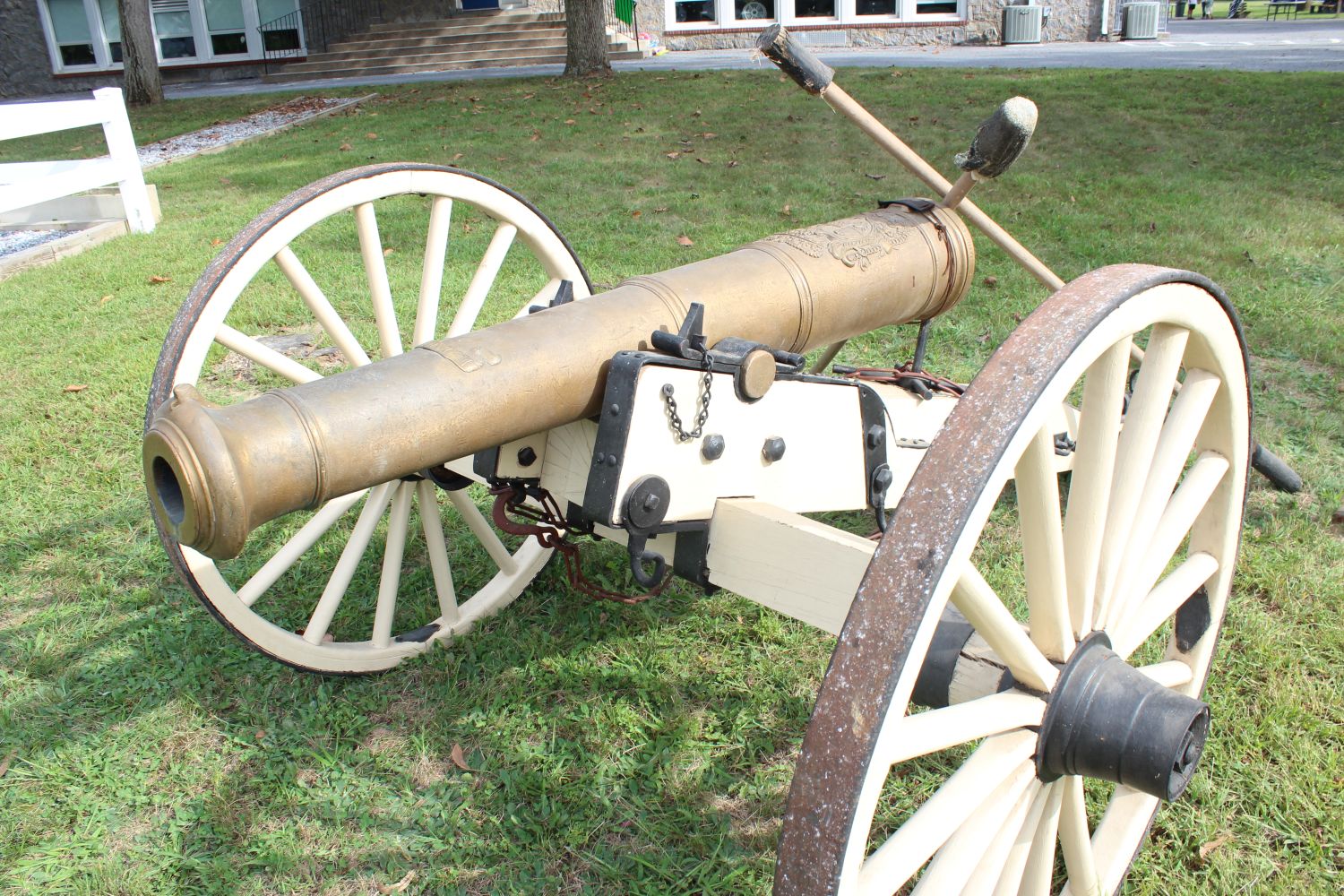
Walking up, I stopped short at what greeted festival goers: a Napoleonic-era piece of metallurgic and militaria world history, sitting quietly on township property, on loan from its usual post outside the Upper Pittsgrove Township Municipal Building. It did not take long to learn there is a lot more to that gun than its patina lets on, and it turned out to be a fitting emblem for a day that was really about how long memory runs in this part of Salem County.
The day, in brief
Daretown Day 2026 ran Saturday, Sept. 12 (Sept. 19 was the rain date), and it unfolded in stages across the village.
- 8 a.m., 5K run and 1 mile fun walk, starting at Pittsgrove Baptist Church
- 10 a.m., parade through Daretown, starting at Pittsgrove Presbyterian Church and running to Daretown School
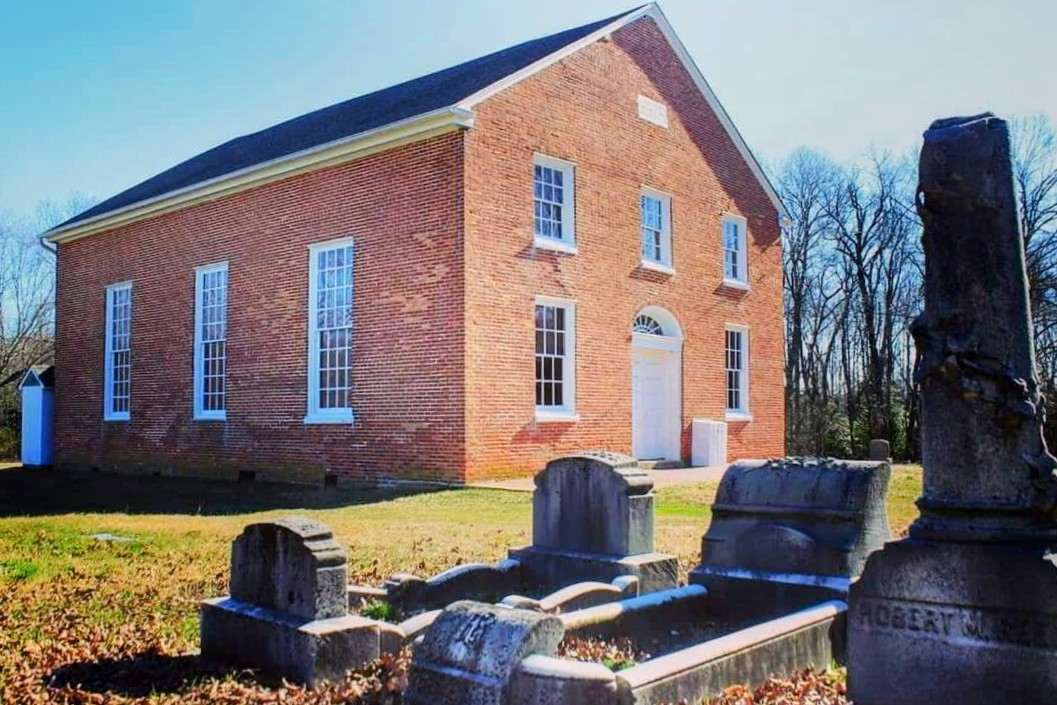
- 12 p.m., veterans ceremony at the historic Old Pittsgrove Baptist Church, with tours of the 1844 church building running from 11 a.m. to 1 p.m.
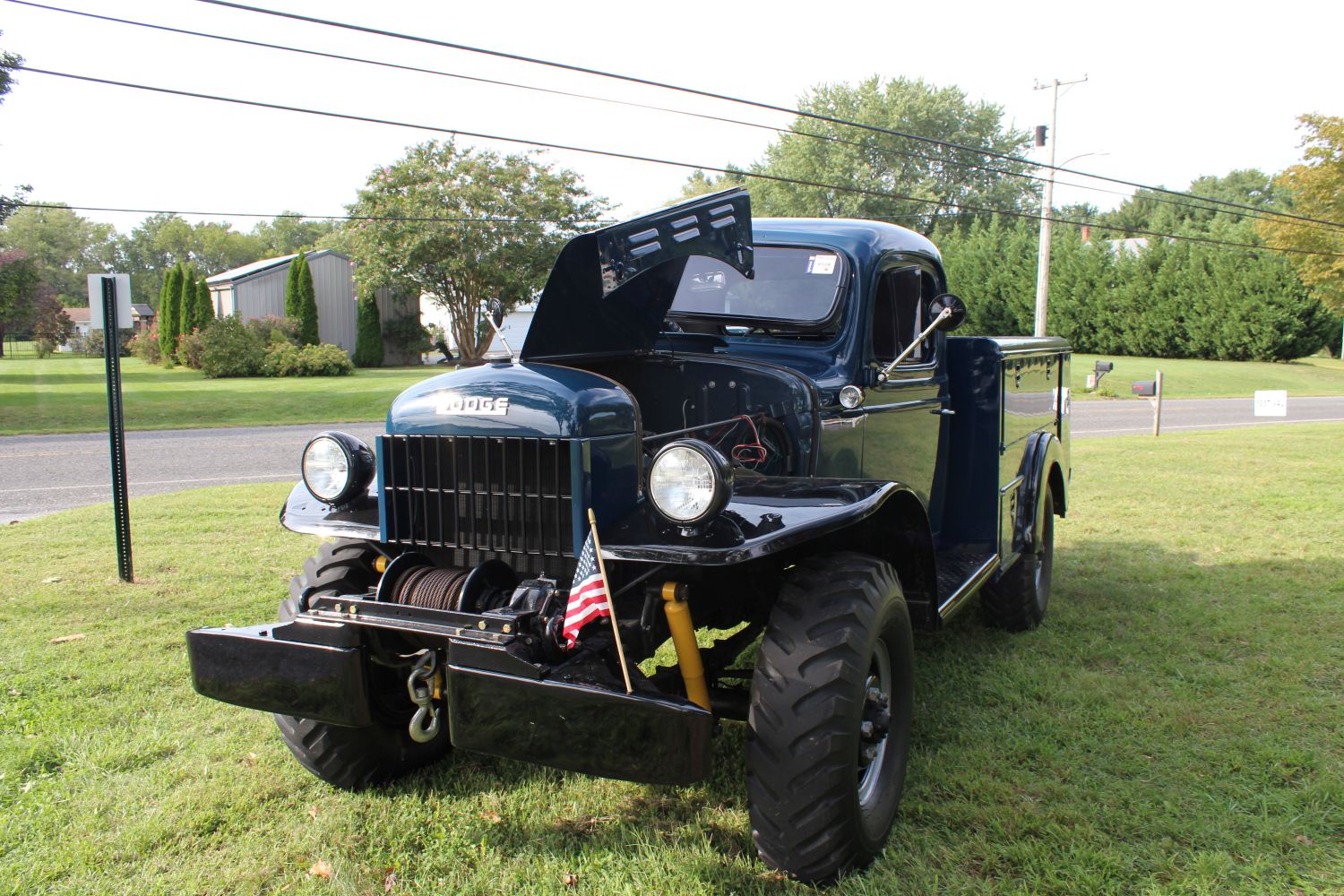
- 12 to 4 p.m., festival at Daretown School; food, children’s activities, a car show, exhibits, school tours, the Pole Tavern Cannon on display, and commemorative tee shirts. The Daretown Fire Hall held its own open house down the road.
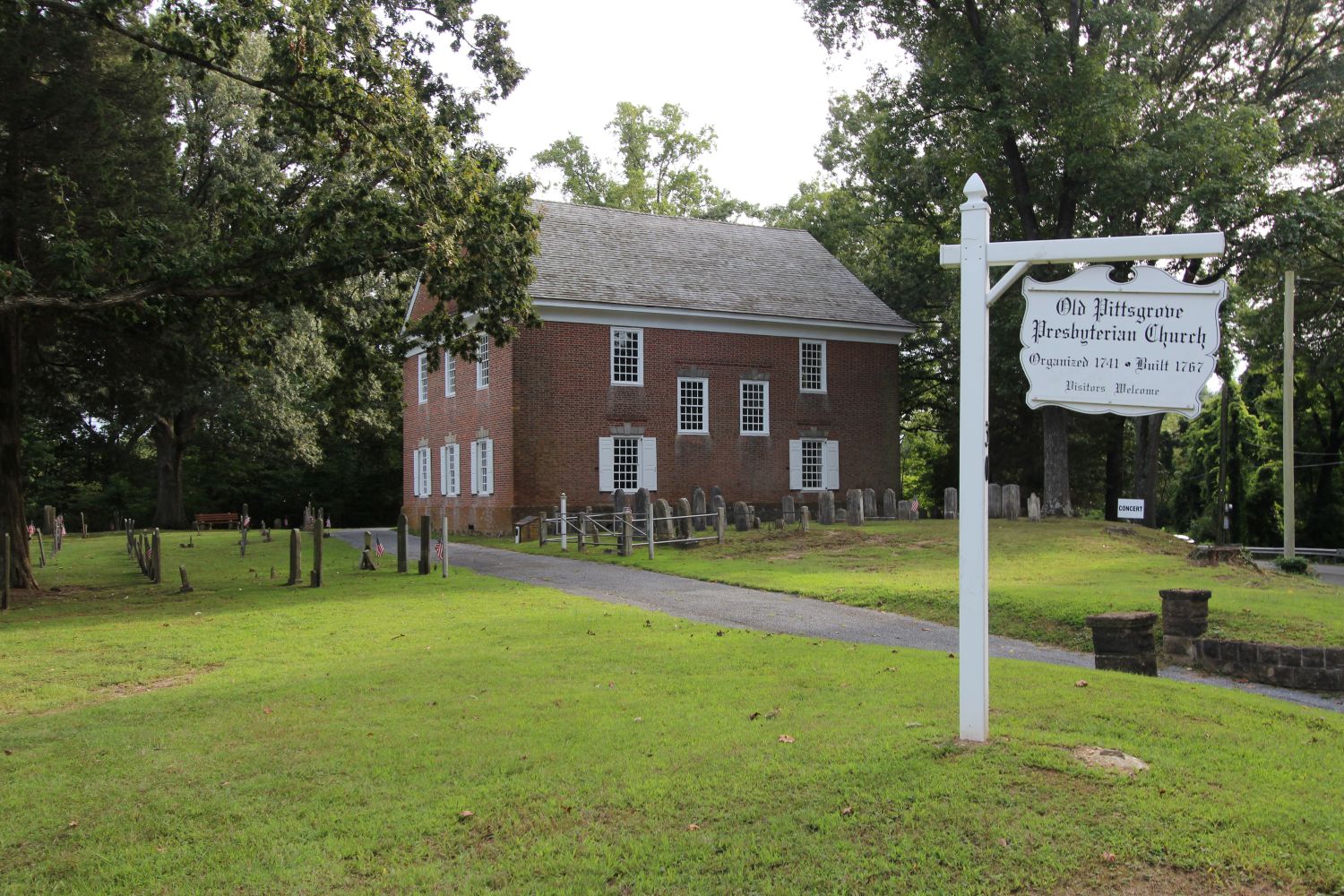
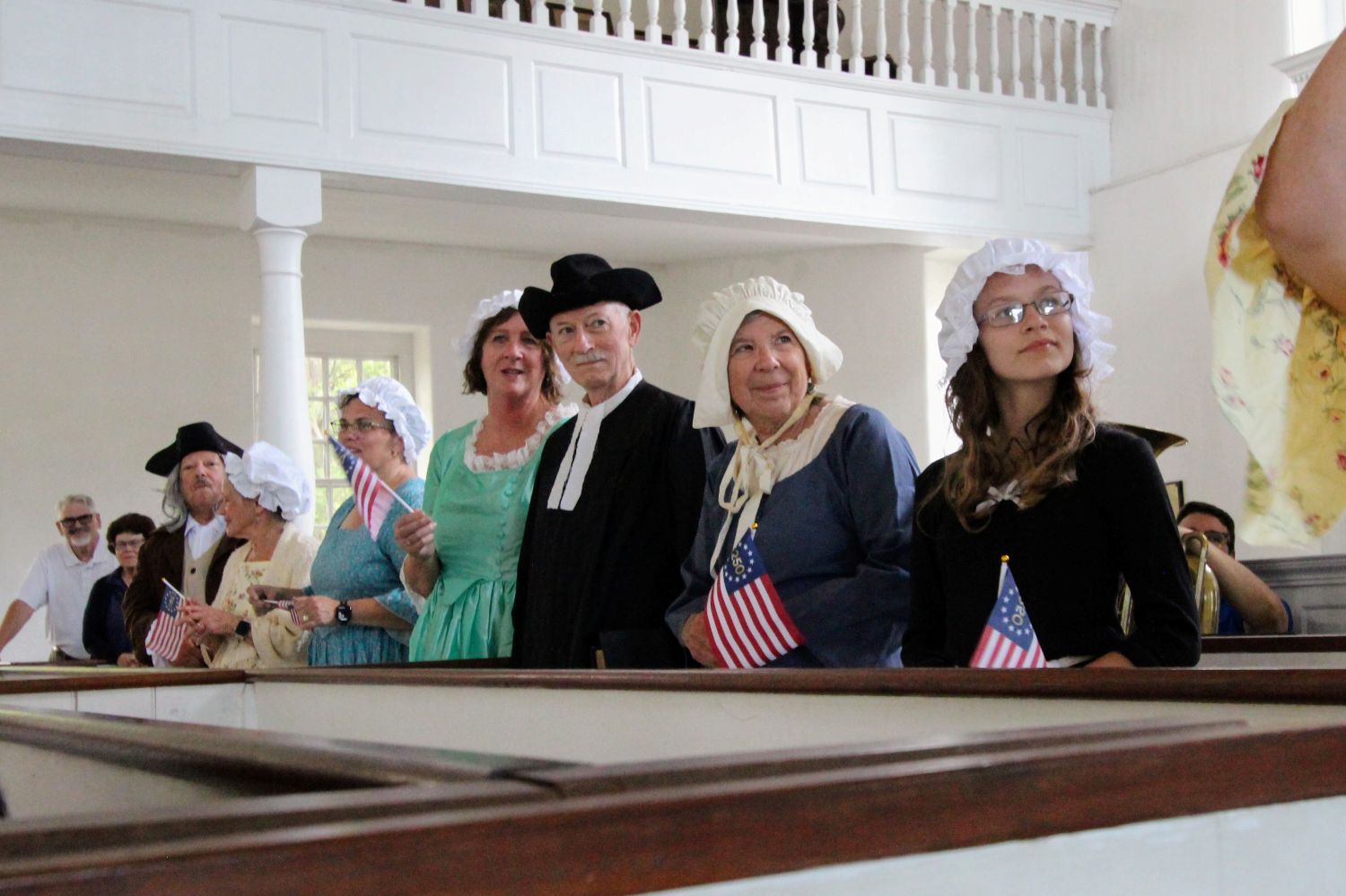
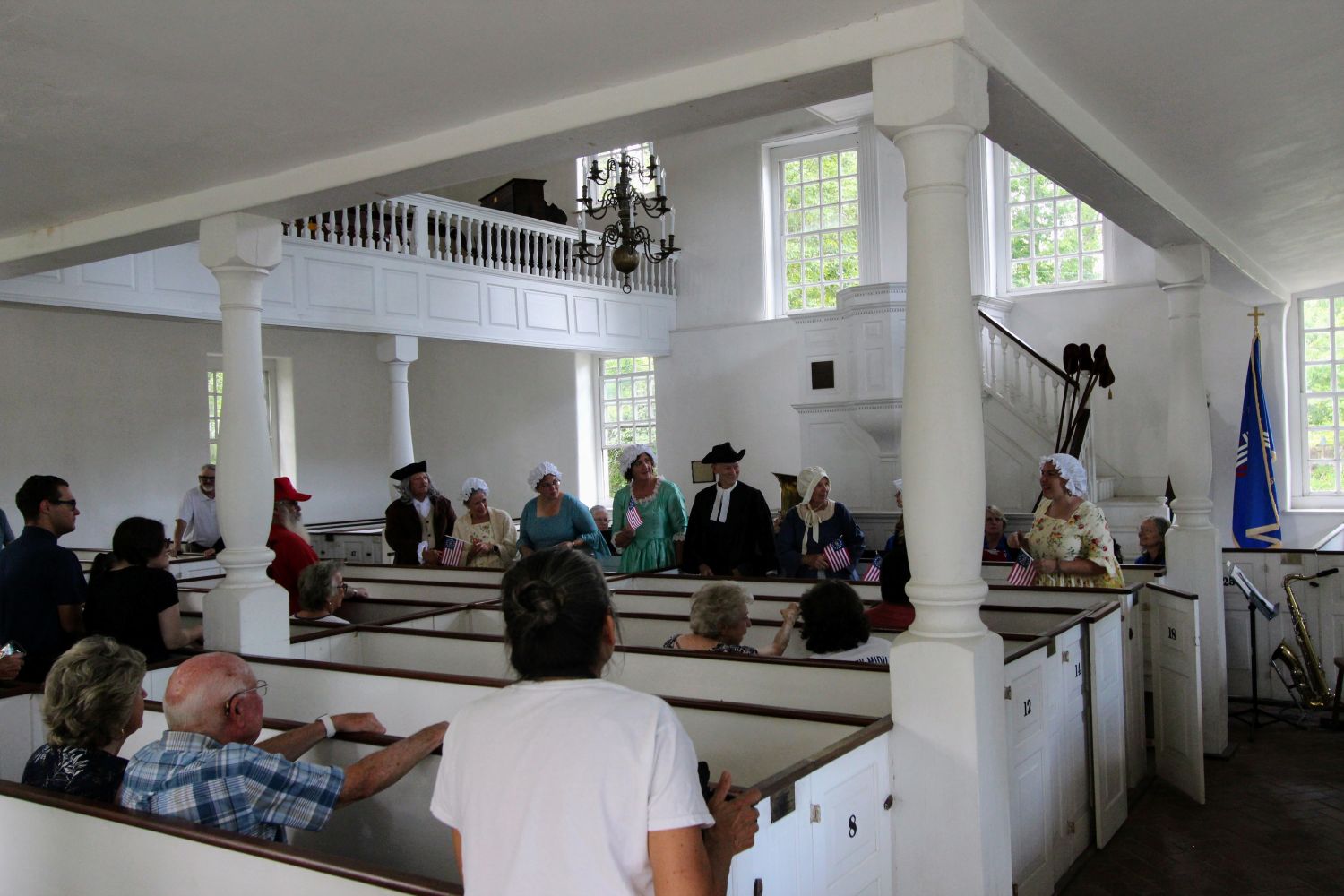
- 4 p.m., a 30 minute patriotic concert at the historic 1767 Old Pittsgrove Presbyterian Church. Anyone in historical costume was eligible for a prize and a spot in the group photo.
Organizers, with coordinator Bonny Beth Elwell among them, had been planning the comeback for months, and it showed. Shuttles ran continuously between six stops so no one had to walk the whole route in the September sun.
Ground old enough to remember the Revolution
Upper Pittsgrove does not just talk about its Colonial era roots; it is still standing on top of them. The souvenir program handed out at the festival laid out just how much history is packed into a few crossroads.
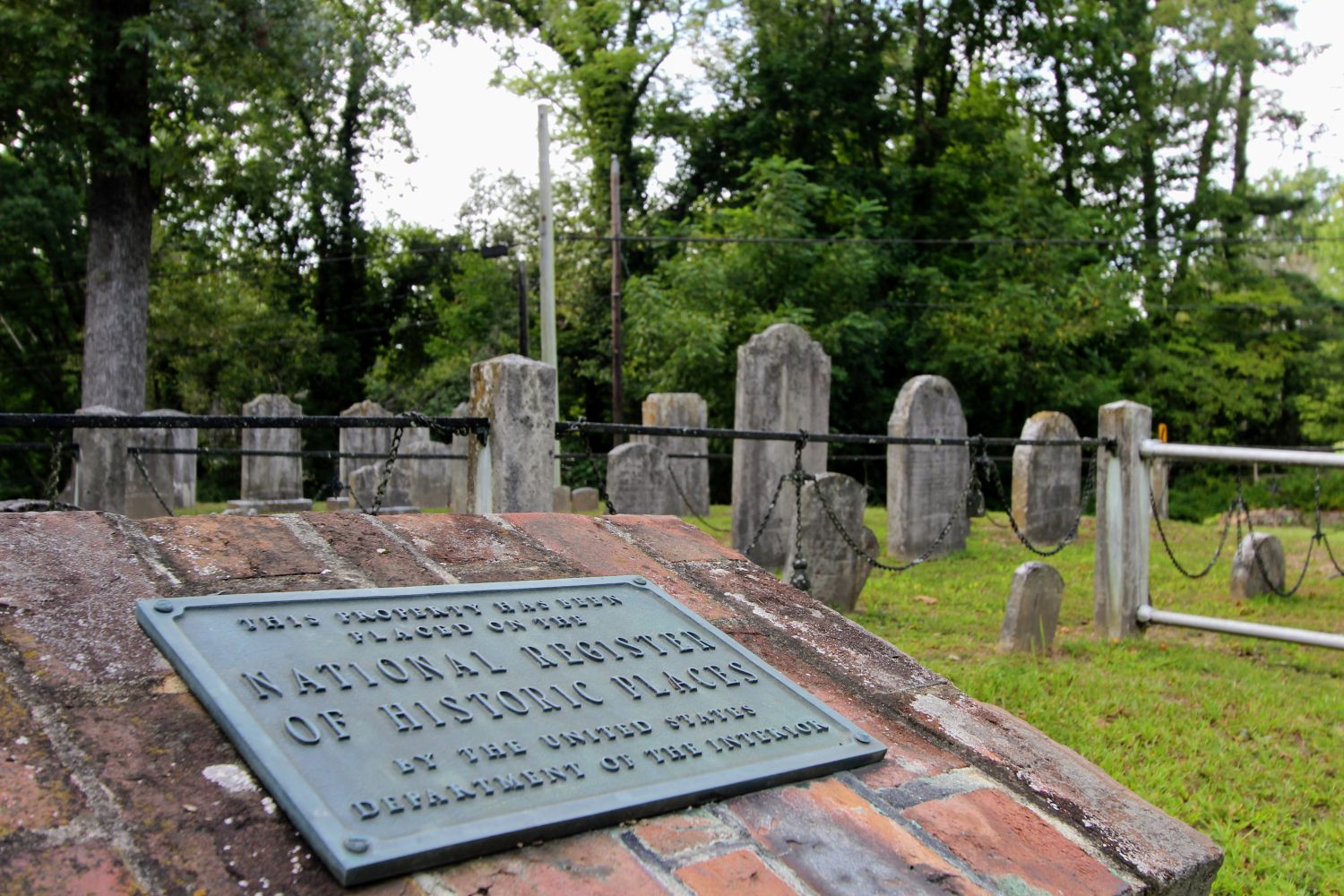
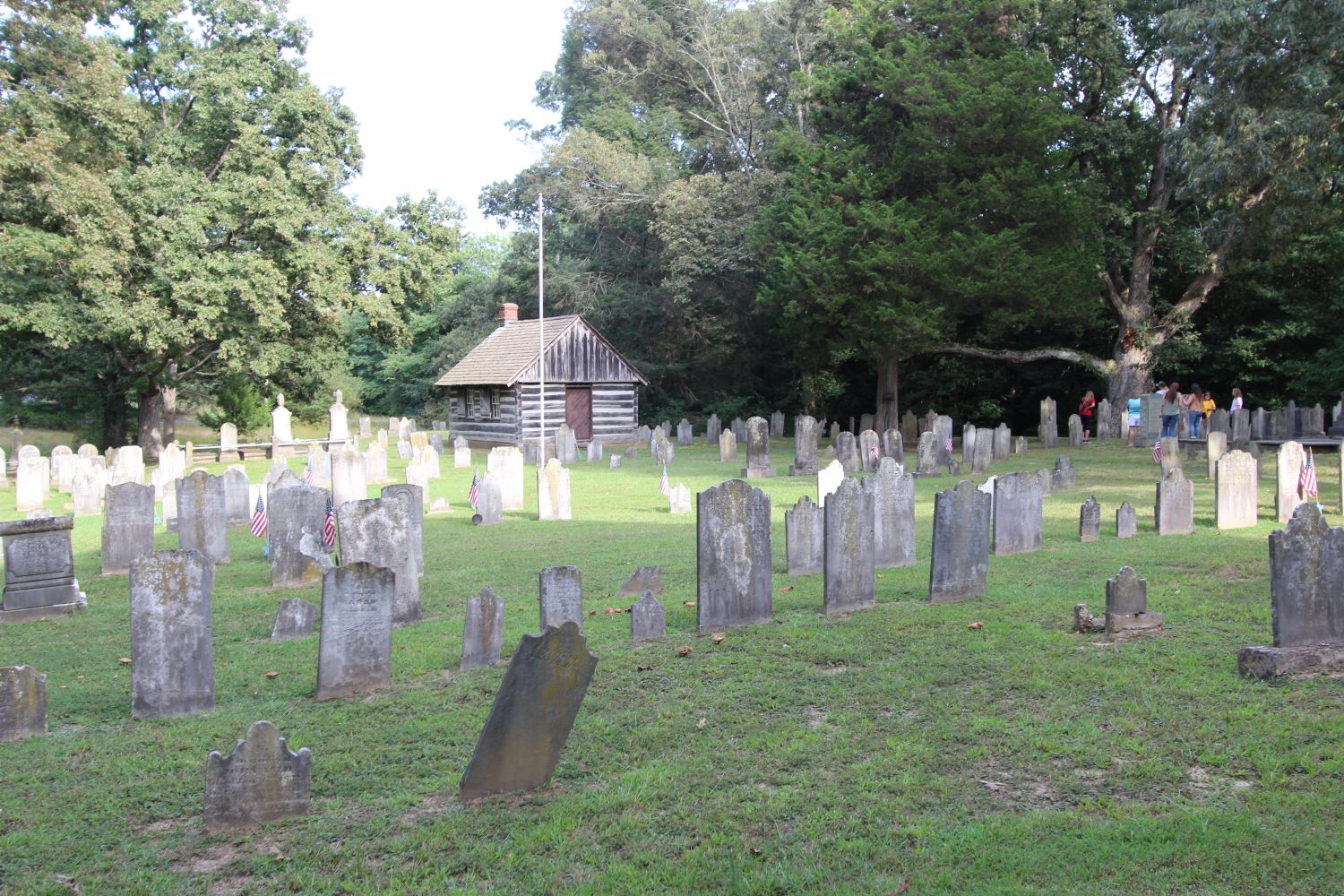
Old Pittsgrove Presbyterian Church, founded in 1741, traces itself back to the Great Awakening, when the Reverends Gilbert Tennent and George Whitefield preached to crowds here. The congregation built a log church, the area’s first schoolhouse, and the cemetery that still surrounds today’s brick church, built in 1767 under Rev. Nehemiah Greenman. In 1775, Pittsgrove Militia companies formed under Capt. Jacob DuBois and Capt. Cornelius Nieukirk, drawing heavily from this congregation; more than thirty Revolutionary War veterans are buried in the churchyard. The church was restored in 1941, and a replica of the Pittsgrove Log College, where many young men here were educated by the church’s pastors, was built in 1971.
Old Pittsgrove Baptist Church, on Woodstown Daretown Road, dates its roots to 1743 as a branch of Cohansey Baptist Church, officially incorporating in 1771. Its first pastor, Rev. William Worth, served the congregation from 1771 to 1803 while also serving as a Revolutionary War chaplain. A dozen Revolutionary War veterans are buried in its cemetery. The historic brick church that stands today, and that hosted this year’s veterans ceremony, was built in 1844.
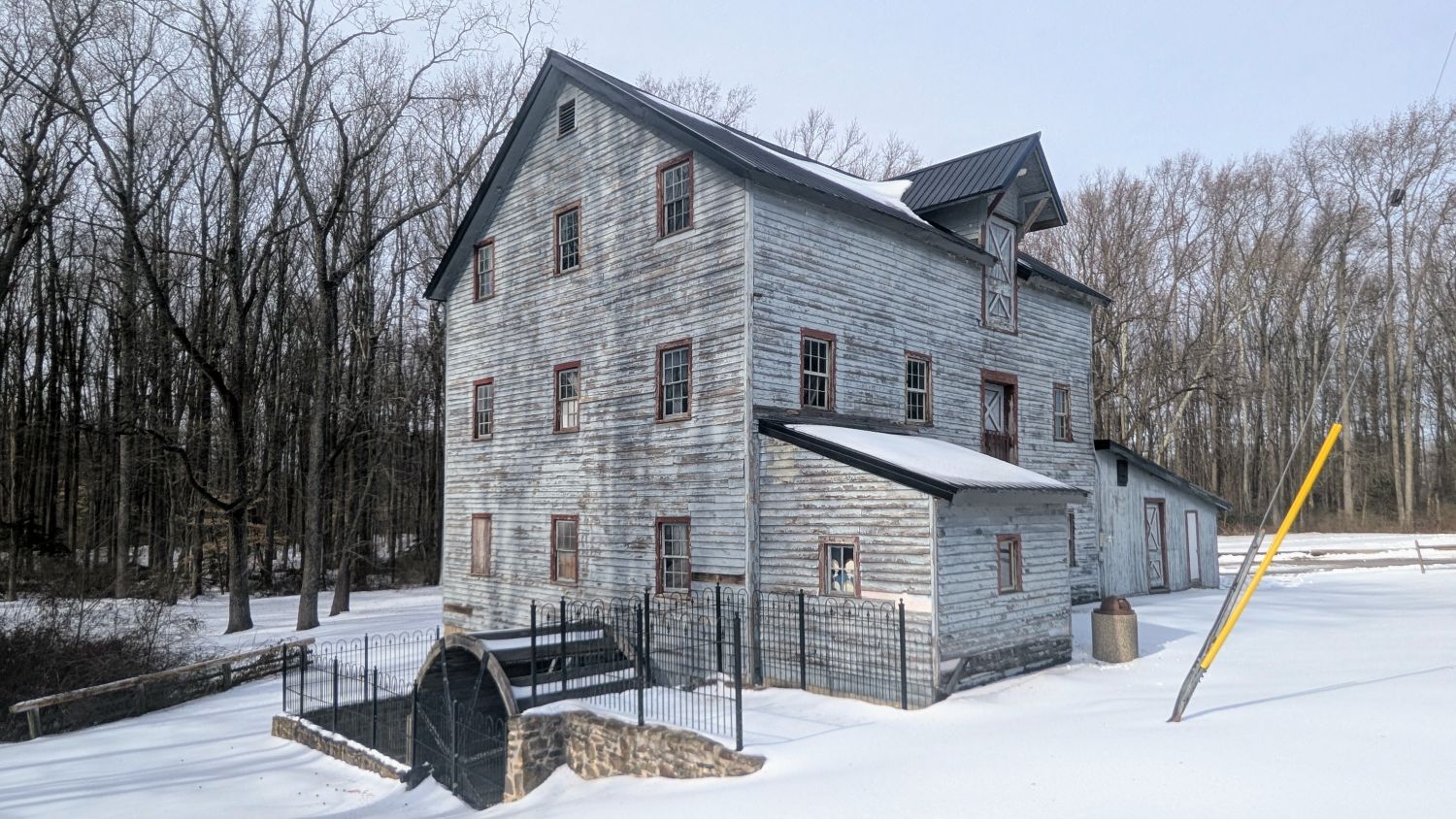
The Old Daretown Mill traces its operation to Samuel Elwell, who was running a mill near the Daretown Lake bridge by 1731; his son Jacob Elwell followed him, and a 1772 road survey of Daretown Road already refers to “Jacob Elwell’s old mill.” Later owners included Samuel and Jonathan Elwell in 1773, then Isaac Johnson and Samuel Dare, Daretown’s namesake, in 1825. The mill ran under a succession of owners until it ceased operating in 1912. Upper Pittsgrove Township has maintained the mill and lake since 1956, and township historian Jay Williams and Boy Scout Troop 60 restored the mill and built a replica water wheel in 2006.
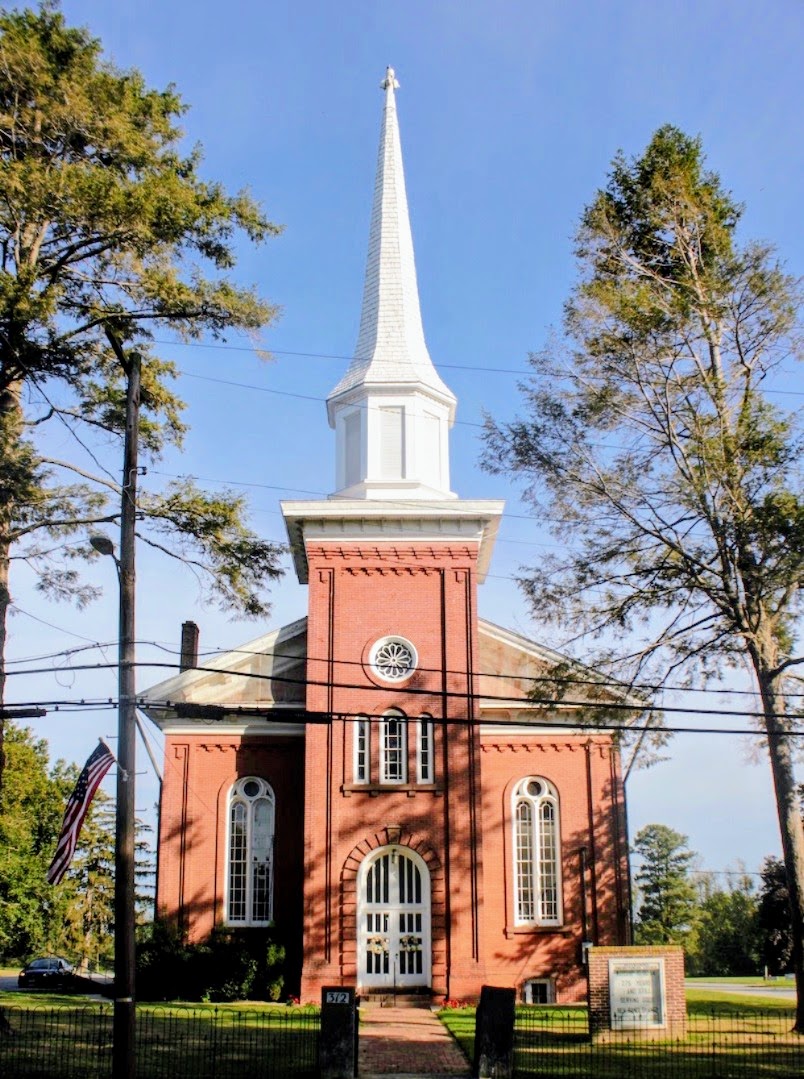
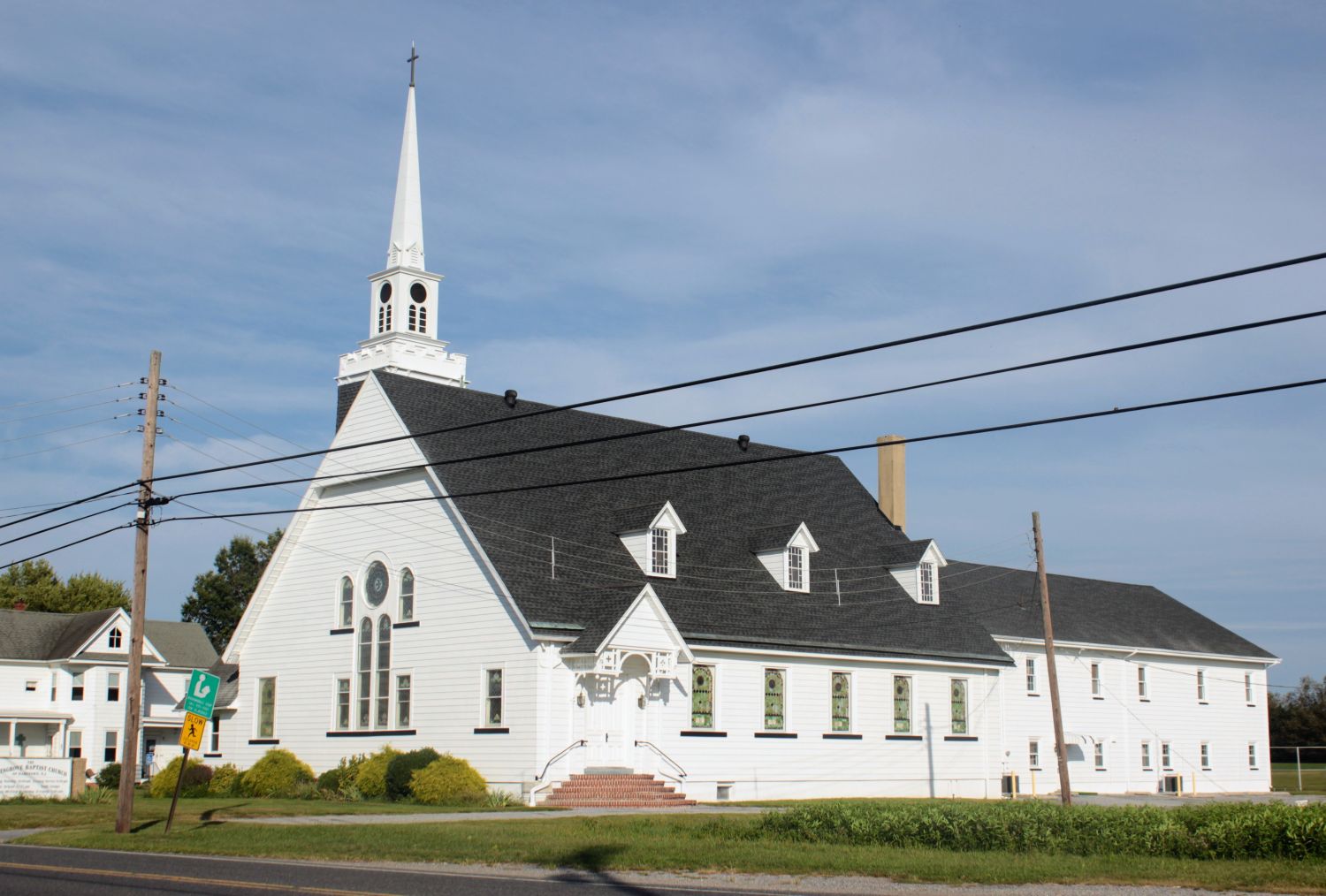
As the congregations grew, both churches eventually built newer homes. The New Pittsgrove Presbyterian Church was built in 1867 under the growth spurred by Rev. George W. Janvier’s tenure from 1812 to 1857, and it still carries a historic 1885 Jardine Tracker pipe organ alongside a 1955 Moeller organ (current pastor, Rev. Edward Boyce III). The New Pittsgrove Baptist Church was built in 1893, lost its original steeple to a lightning strike in 1916, and did not get a replacement steeple until 2008 (current pastor, Rev. Joseph R. Schneider).
And the schoolhouse story. After the Pittsgrove Log College, Daretown’s first public school was the Union School, built near the Presbyterian church in 1803. A wooden schoolhouse replaced it in 1876, one of many one and two room schoolhouses scattered across the township, until it burned down in 1920. Daretown School was built to consolidate six of those schoolhouses; Daretown, Pole Tavern, Newkirk’s Station, Shirley, Jefferson, and Walnut Grove. After Upper Pittsgrove School opened in 1964, the Daretown building was scaled back to the younger grades, and it is the same building that today houses the Salem County Special Services School District campus I toured Saturday.
The cannon that is older than the country
The centerpiece on display at the festival, and the reason I started asking questions in the first place, was the Pole Tavern Cannon.
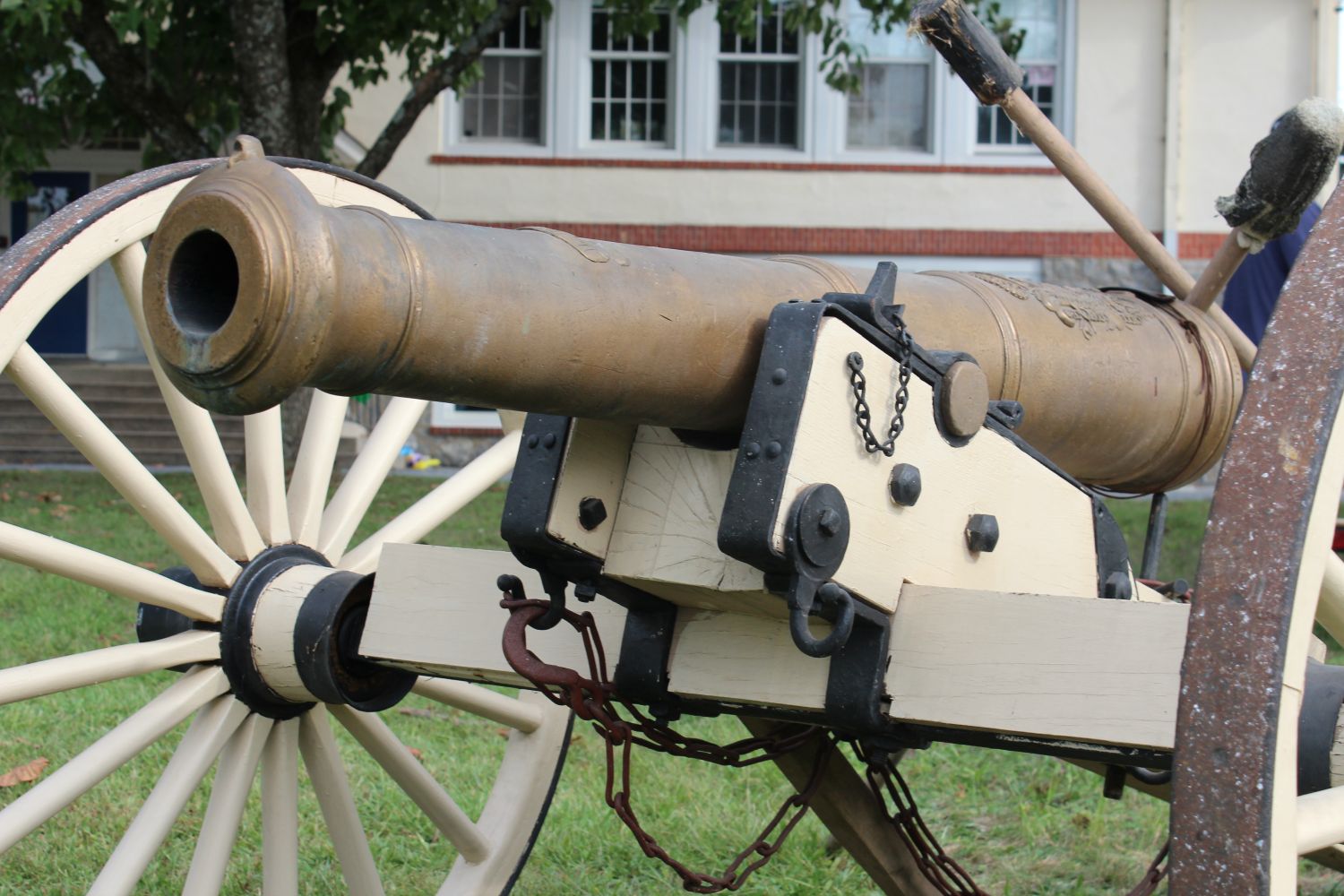
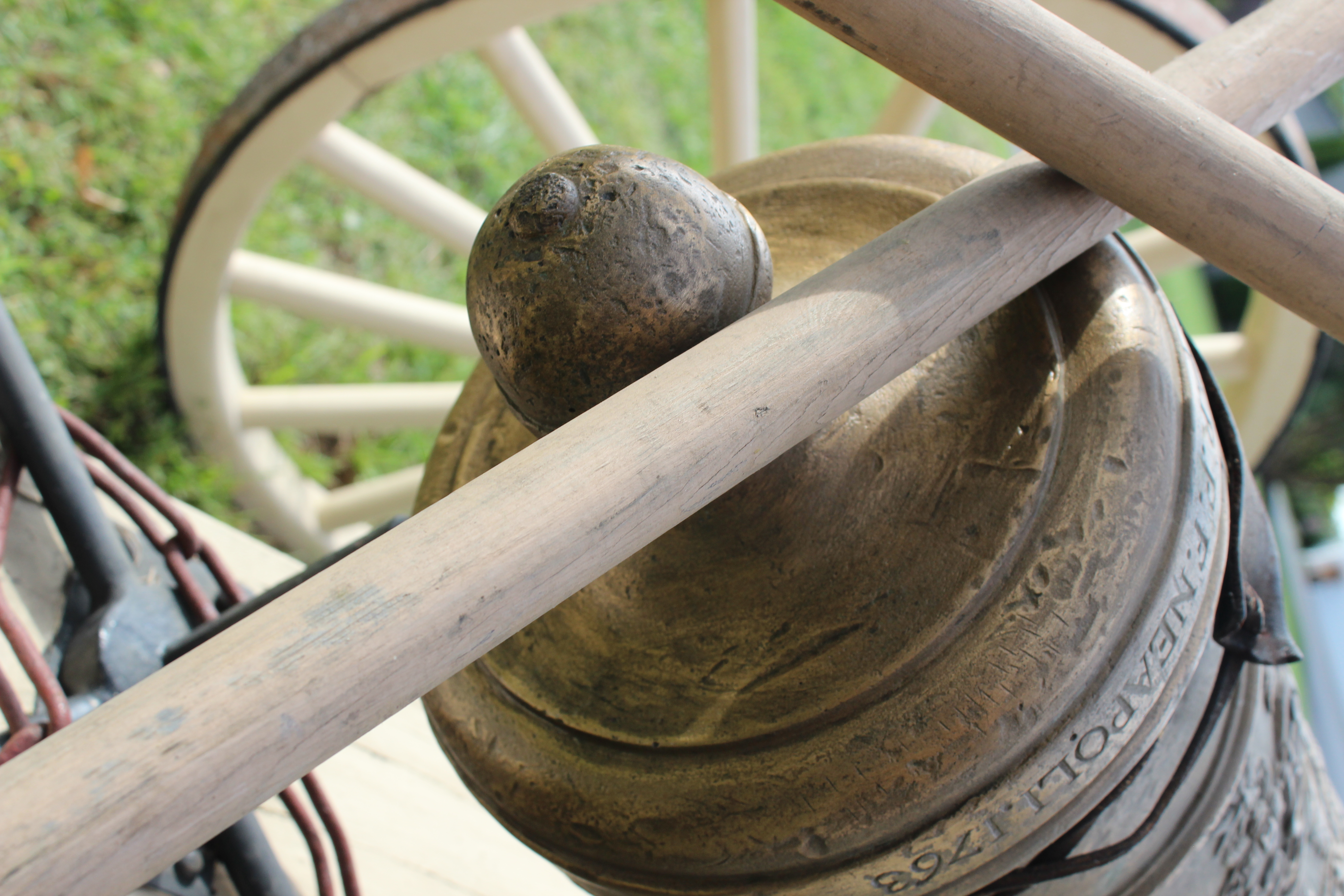
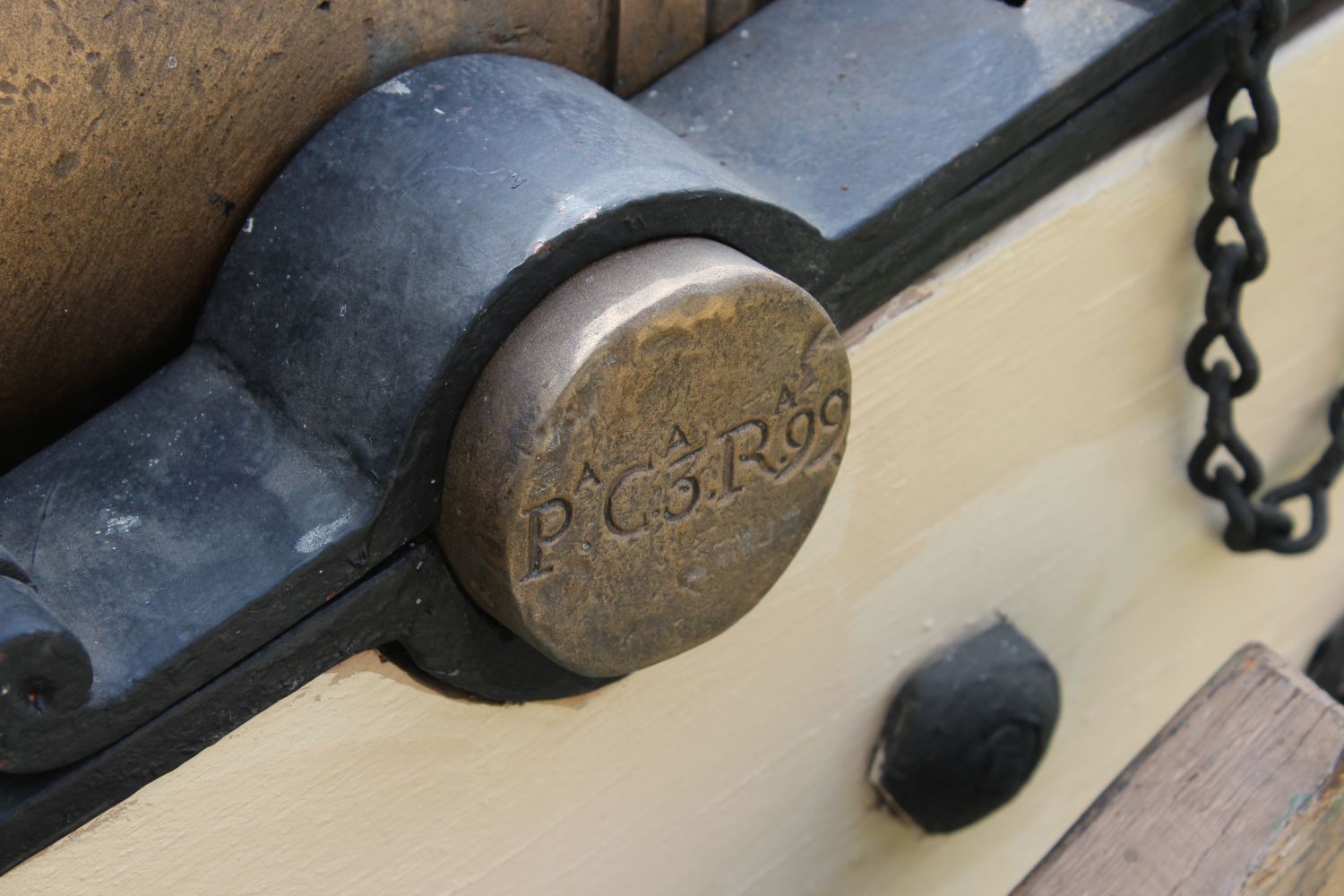
The gun is older than the United States, cast in Italy in 1763 and originally named “Il Lugano.” According to the history read into the record by Upper Pittsgrove Historian Bonny Beth Elwell at the July 14, 2026 dedication of the cannon’s new display building, it was seized by Napoleon’s army, used by the French in Spain, then captured by the British, who eventually brought it to North America. American forces took it from the British at the Battle of Plattsburgh, New York, during the War of 1812, and it ended up stored at the Pole Tavern Arsenal along with the rest of the Salem Brigade’s arms under Brig. Gen. Jeremiah DuBois.
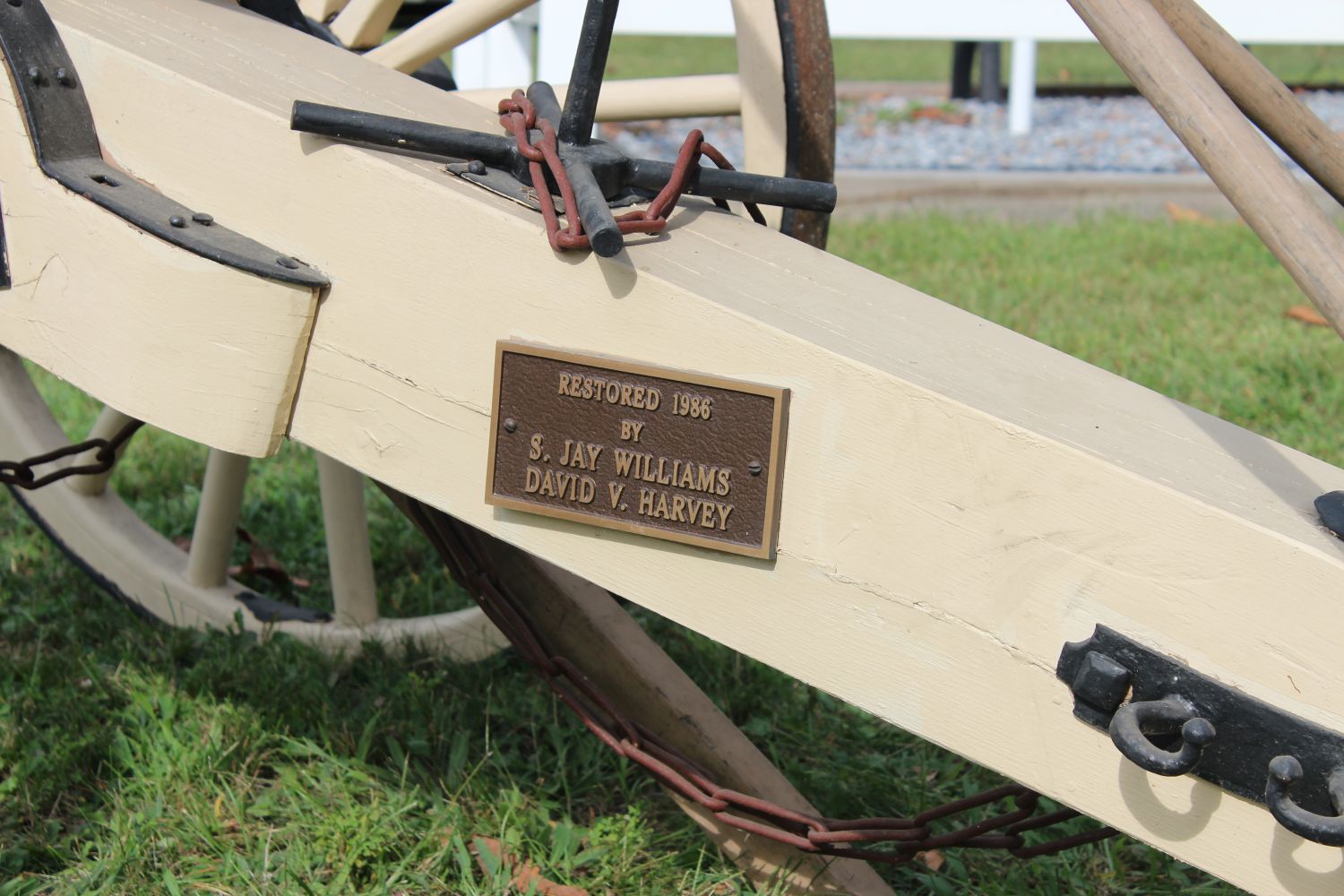
It has had an eventful two centuries since. In May 1889, Bridgeton veterans borrowed the cannon under State Militia orders for their Independence Day celebration, and simply did not give it back, touching off what Elwell’s dedication speech called a battle between Salem County and Cumberland County that dragged on for more than two decades. The Pole Tavern Arsenal building was eventually torn down and the cannon ended up in Trenton before the governor finally ordered it returned to Salem County in 1913. It was restored in 1986, with help from historian Jay Williams and Daretown resident David Harvey, sheltered in 1994, and given its newest home this July as part of the county’s 250th anniversary observances.
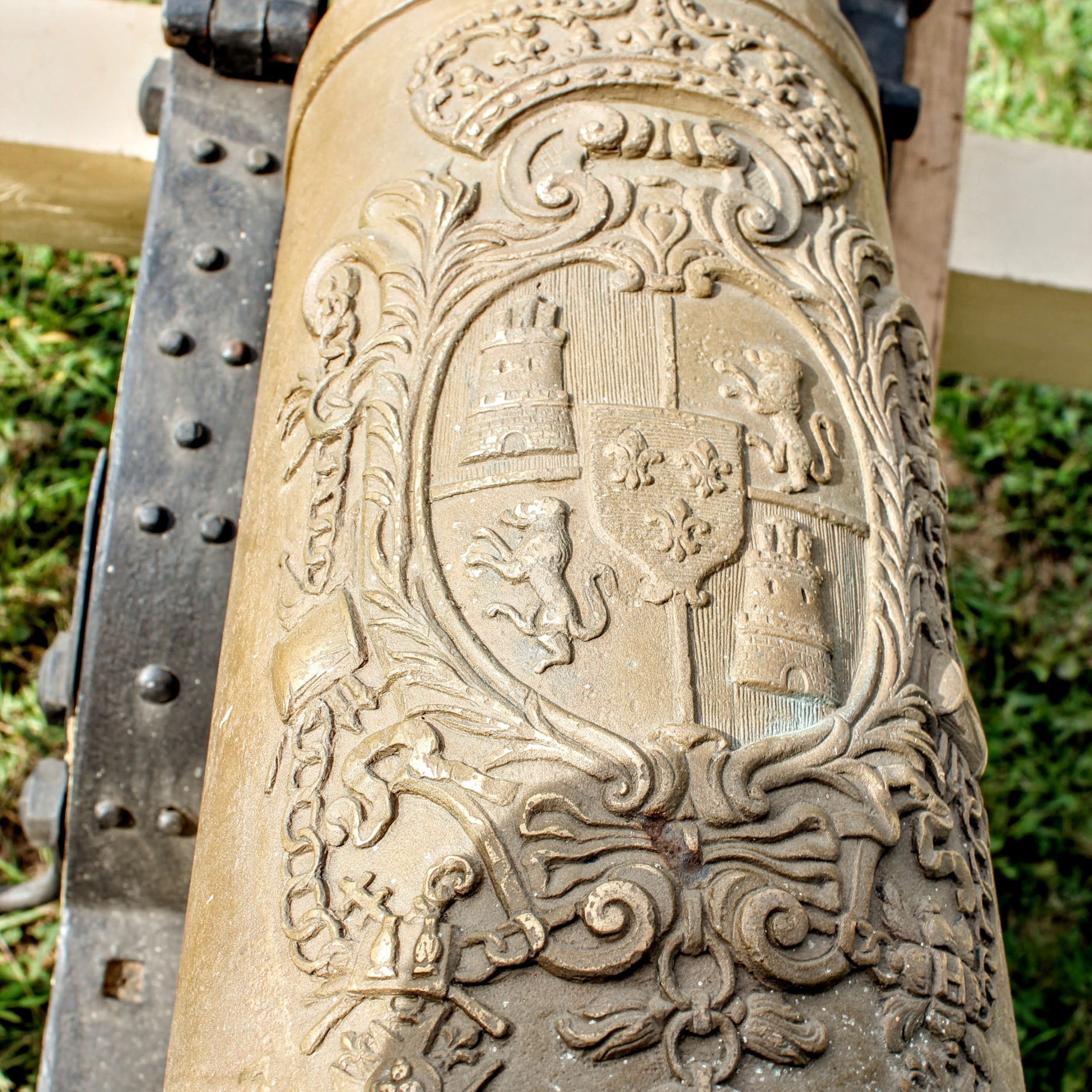
Read more on the “Tale of Salem County’s Three Cannons” by clicking here
The militia connection runs deeper than the cannon itself. Elwell’s dedication remarks traced the Pittsgrove Militia back to April 19, 1775, when the first company mustered under Capt. Jacob DuBois, men as old as fifty and boys as young as sixteen, with a second company forming under Capt. Cornelius Nieukirk that September. Those Salem County militiamen went on to help defend the Delaware River against British warships, fight at the Battle of Long Island, and battle Hessian troops at Mount Holly so that George Washington could make his crossing and win at Trenton.
Elizabeth “Libby” Myers, 100 years old, and this year’s parade marshal
If anyone embodies how long memory runs here, it is this year’s parade marshal, Elizabeth “Libby” Myers. Myers has spent decades on local history in Upper Pittsgrove, restoring historic houses, researching the township’s old schoolhouses, and documenting its barns. For the very first Daretown Day, back in 1991, she wrote the book Daretown and Vicinity and put together a walking tour guide of the village with co-author Elaine Myers. She came back to update that tour guide for the 2016 Daretown Day committee, and this year Myers, born in 1926, is marching as grand marshal on her way to her 100th birthday later in 2026.
A tour through Daretown School
Daretown School, the same building that absorbed six one-room schoolhouses back in the 1920s, is now home to a Salem County Special Services School District campus serving students from kindergarten through 12th grade with emotional regulation impairment. Its own literature describes the mission as building “a supportive, structured, and nurturing environment where students can build the skills they need to regulate, grow, and return to their least restrictive environment,” through small group instruction, individual and group counseling, and technology support for every child.
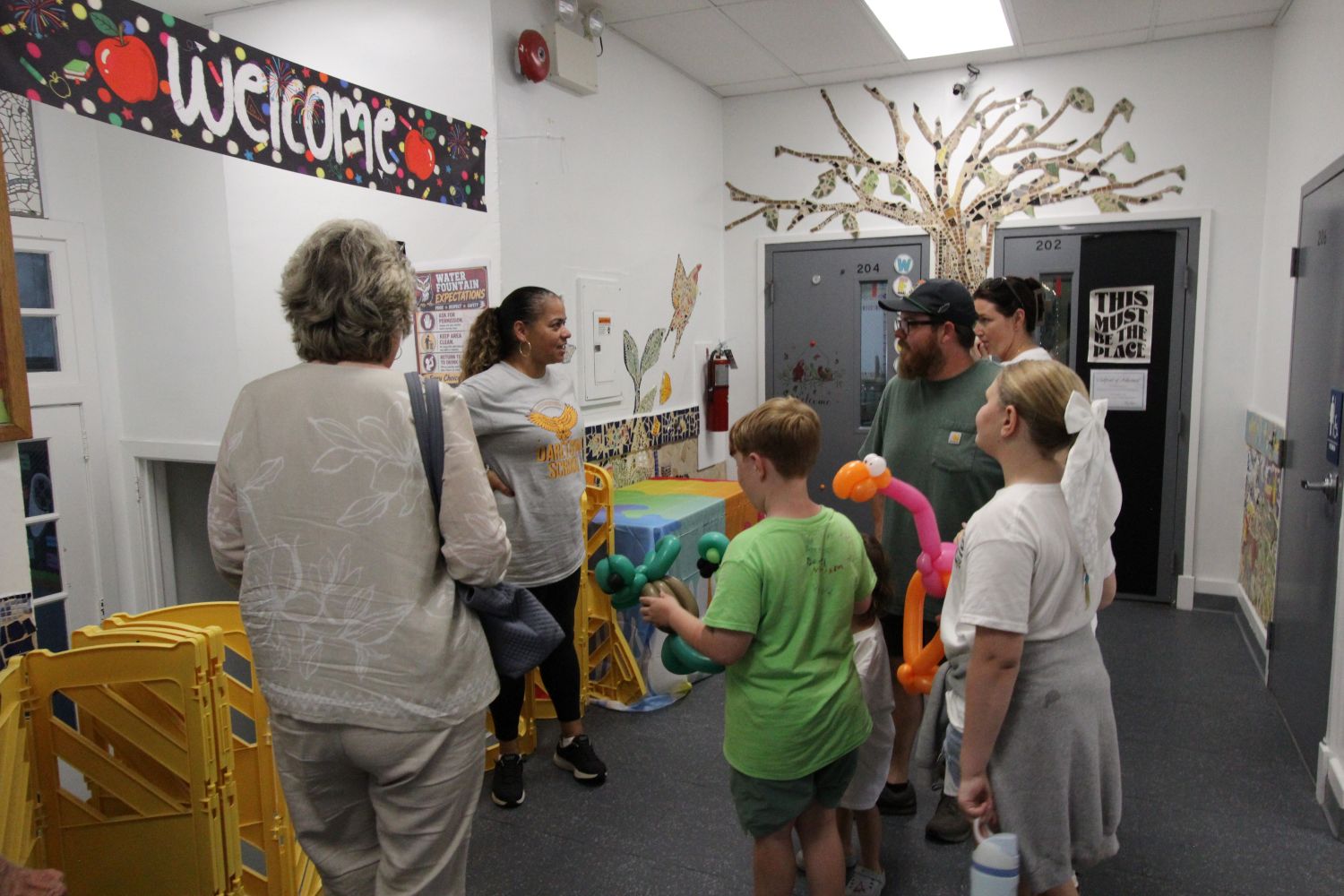
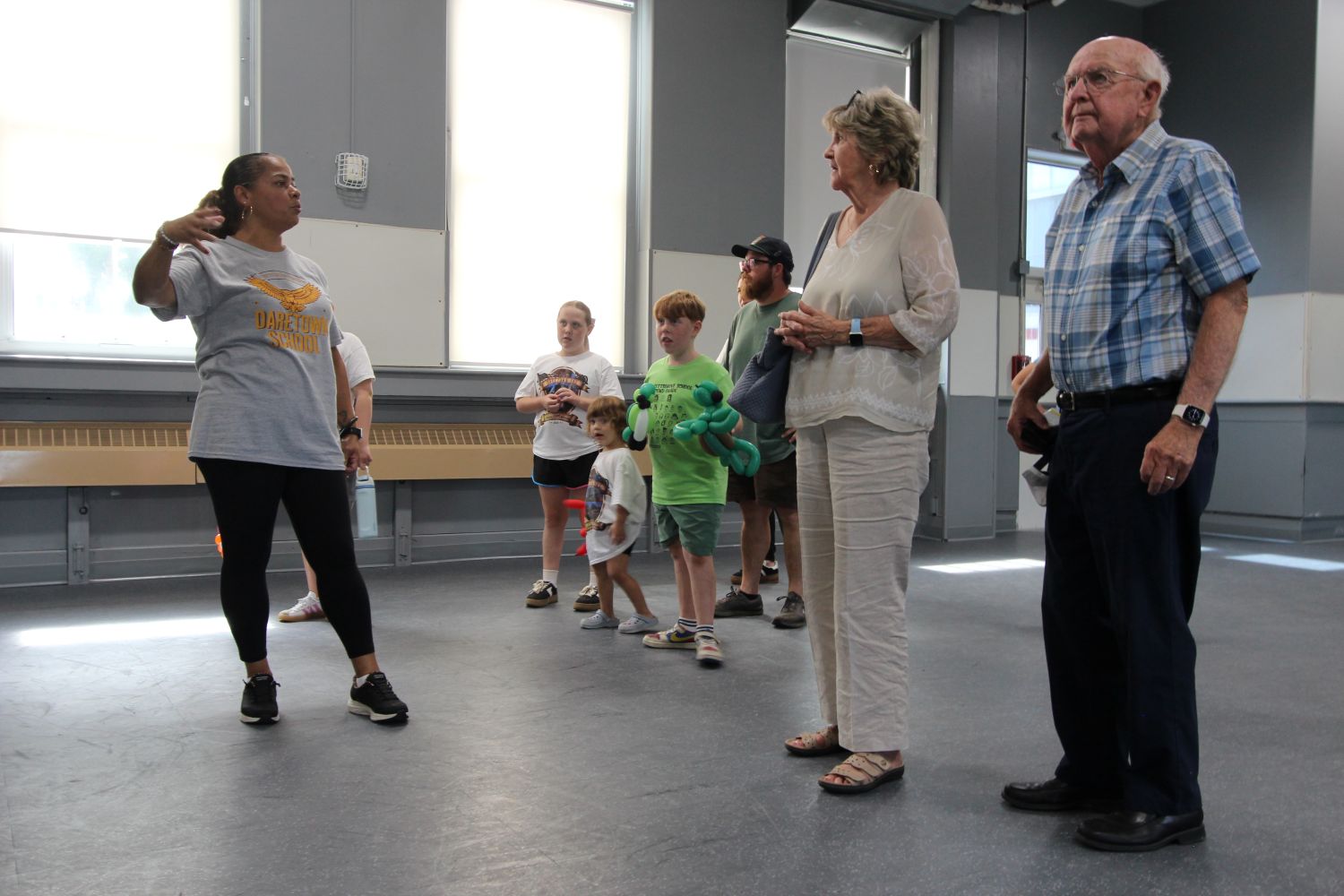
Principal Rebecca Cruz Guy walked me and a small group through the building during the festival, and made a point I heard more than once, that the school does not get much foot traffic, and she is trying to change that.
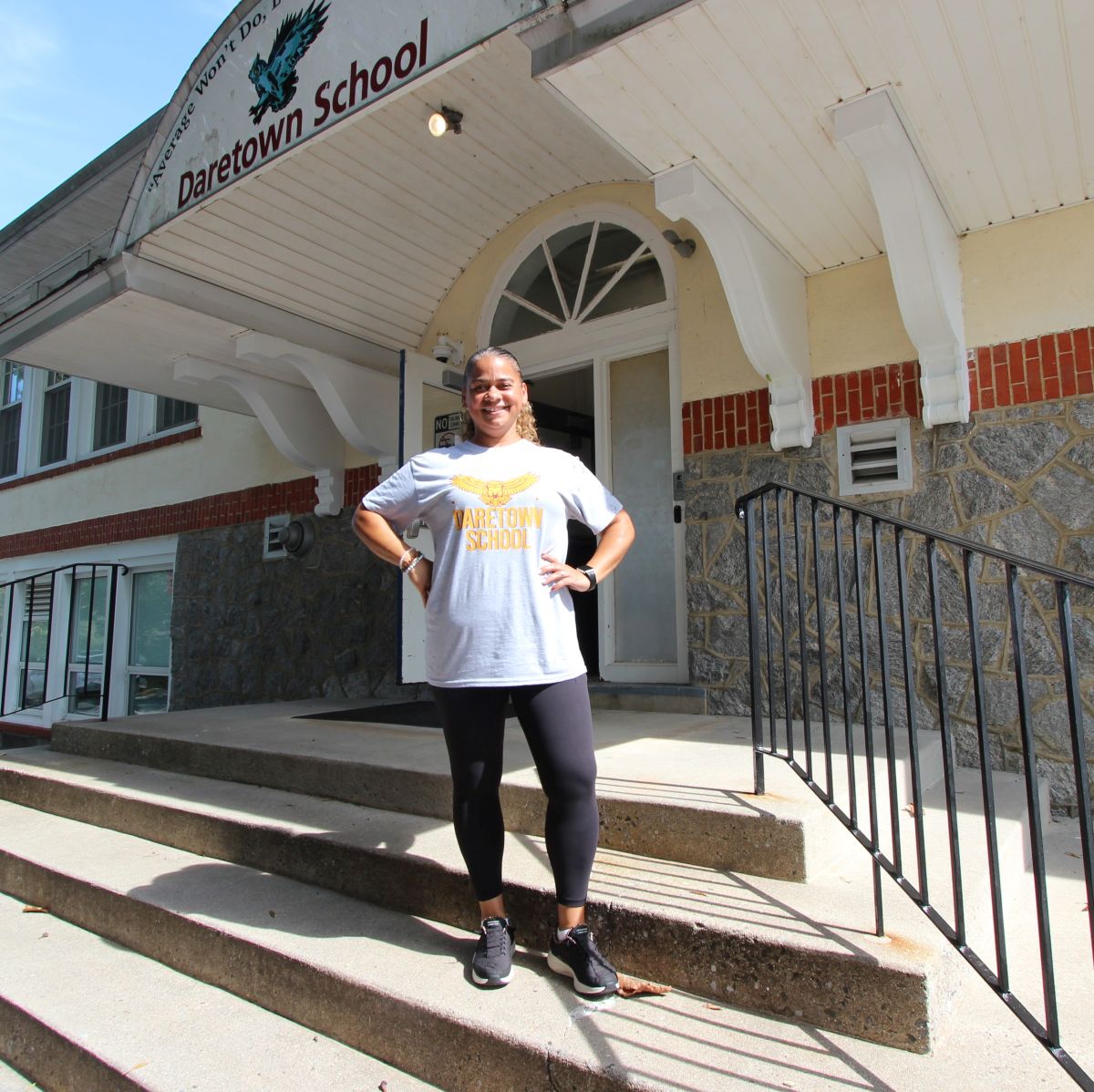
“We are not getting a lot of [visibility], and I need people to know that we’re here, we want to service the kids,” Cruz Guy said, describing why she rearranged a prior commitment to be on hand once she found out the school grounds would be hosting the festival.
She explained that Daretown is one of three campuses under Salem County Special Services, alongside a Salem campus (Regional Day, serving older students on the autism spectrum with a focus on life skills and job readiness) and a Cumberland County campus for medically fragile students. The Daretown campus can serve up to 60 students; enrollment currently sits around 20, and students are bused in from across Salem and Cumberland counties, some, she said, from as far as Camden City.
We started in the front, in four rooms, then moved into the auditorium, which still has its basketball hoops but no longer its stage. What is left is the outline of the old stage front, still visible where it meets an added wall. The group paused there for a moment, taking in the change, before moving on to the back four rooms.
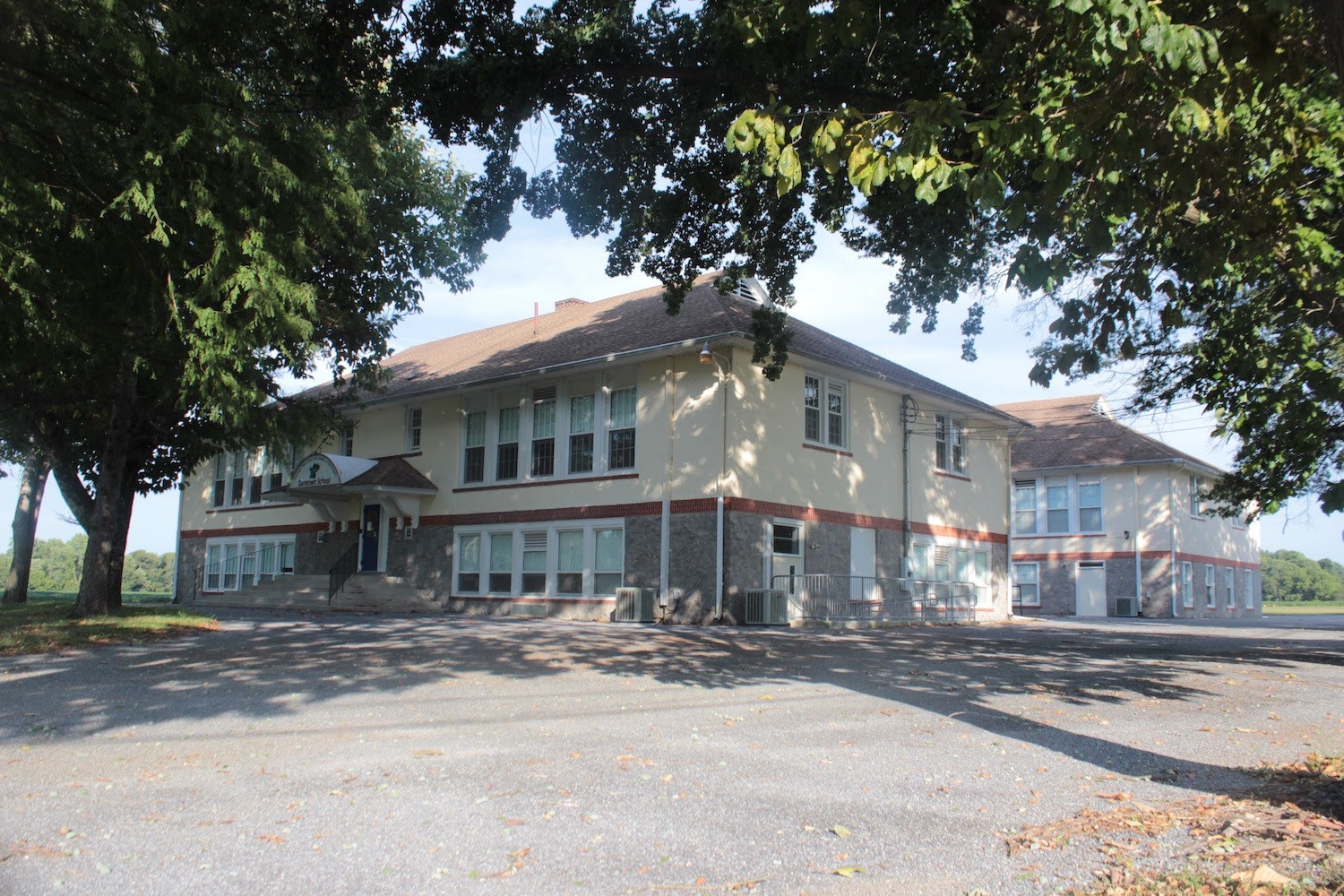
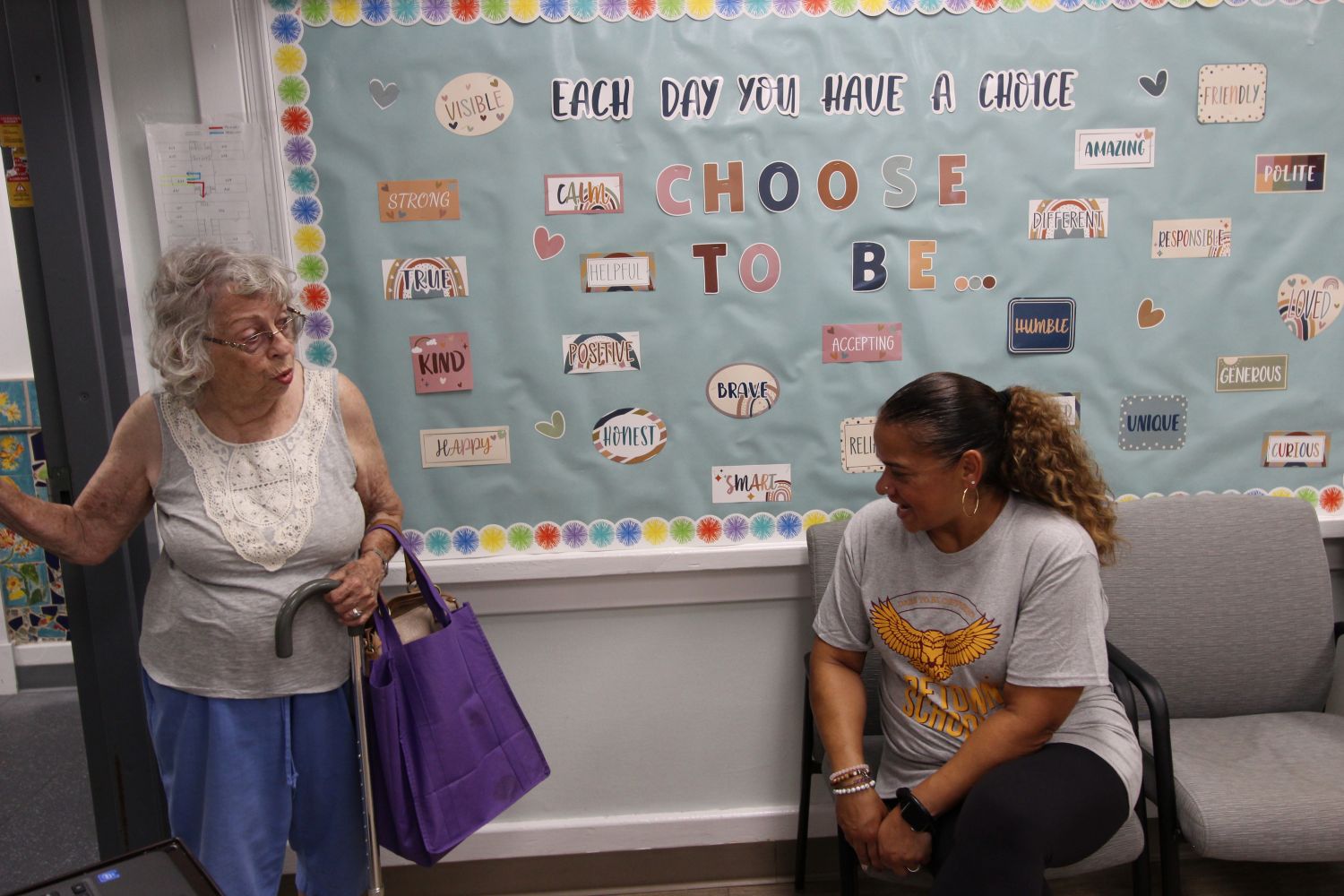
Those back rooms are all used differently today, aside from the cafeteria, and a middle section that has been walled off for storage and other purposes. One of the visitors on the tour, Cynthia Hitchner, told the group that section used to double as an old bomb shelter when she was a student there. When Cruz Guy described how the school groups its grades today, Cynthia offered the comparison herself. “When I came here it was 1st, 2nd, 3rd, and 4th,” she said.
It was something to see, the variety of ages, backgrounds, and hometowns represented among the small group moving through Daretown School together that afternoon, all there for the same reason.
Three generations, one photograph
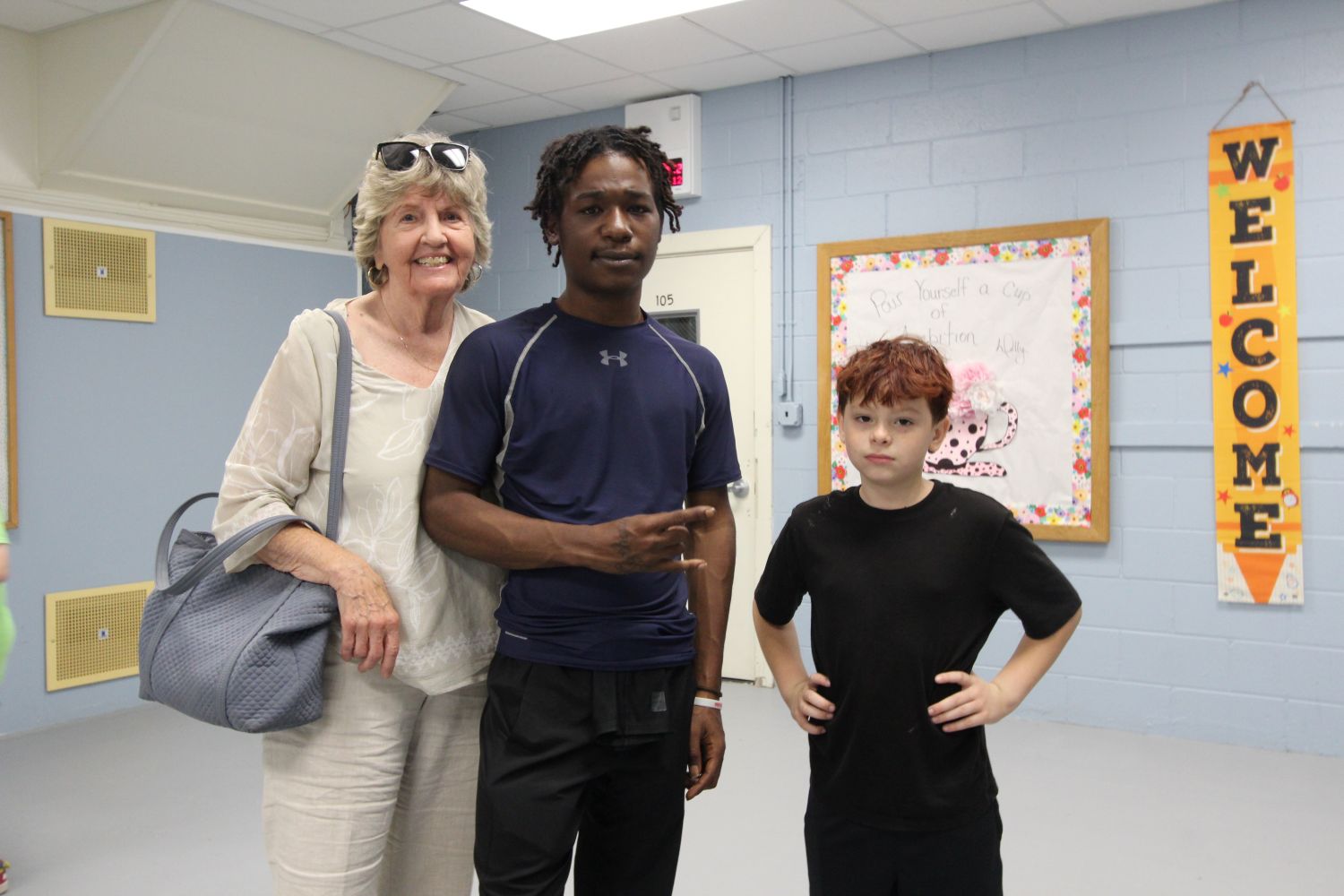
Partway through the tour, three people paused for a photo together, Cynthia Hitchner and two young men named Javion and Jay, all connected to Daretown School as students across very different eras.
Out on the grounds
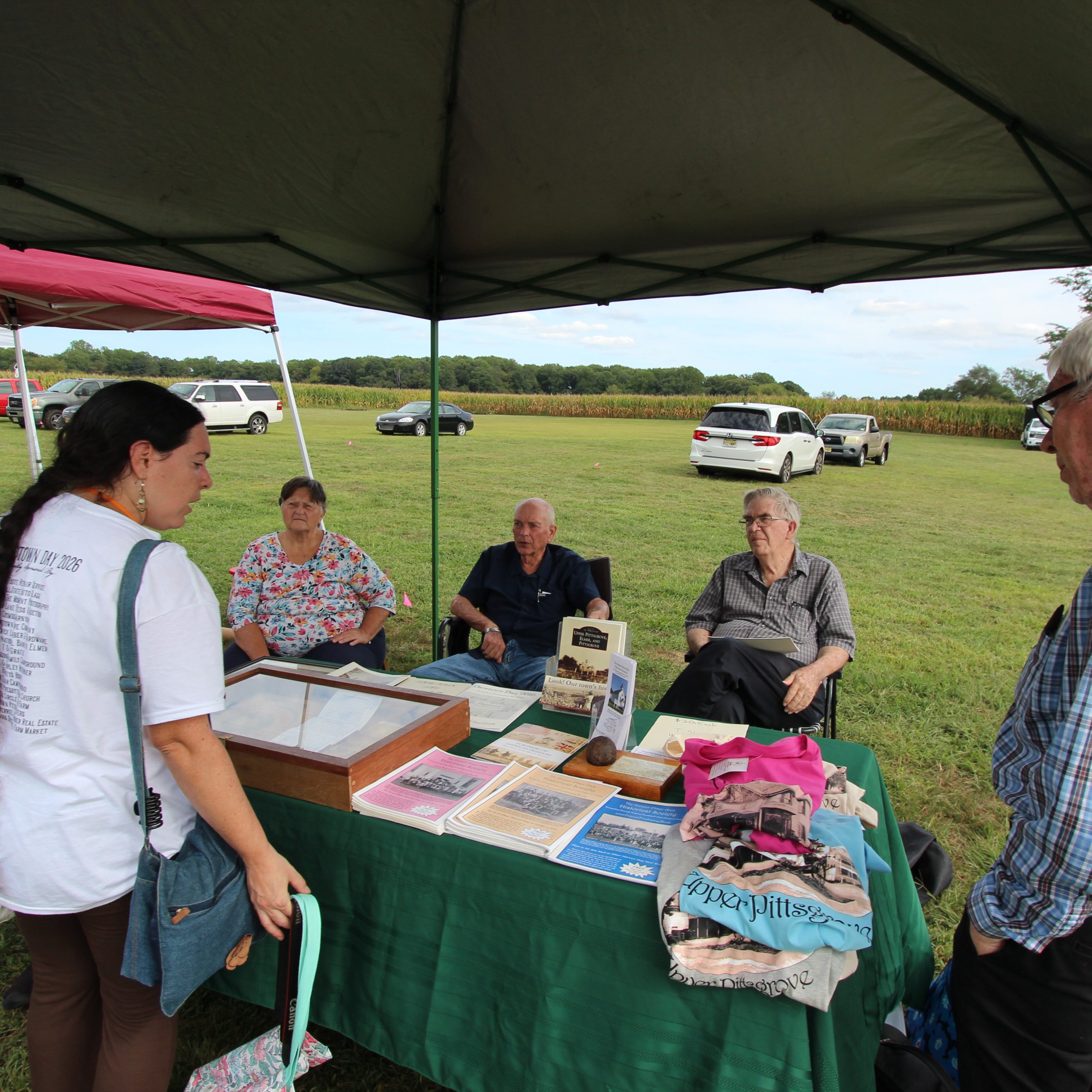
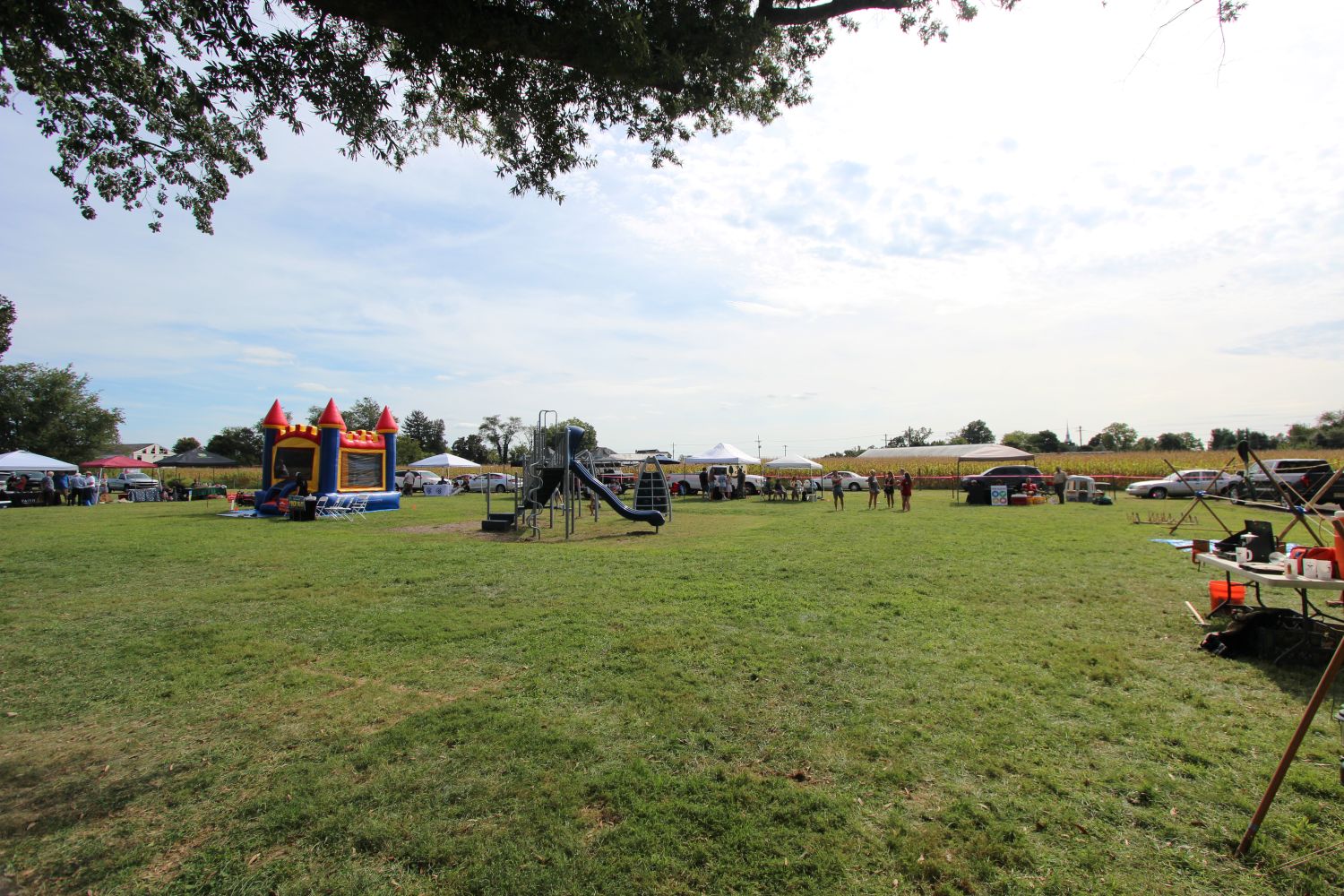
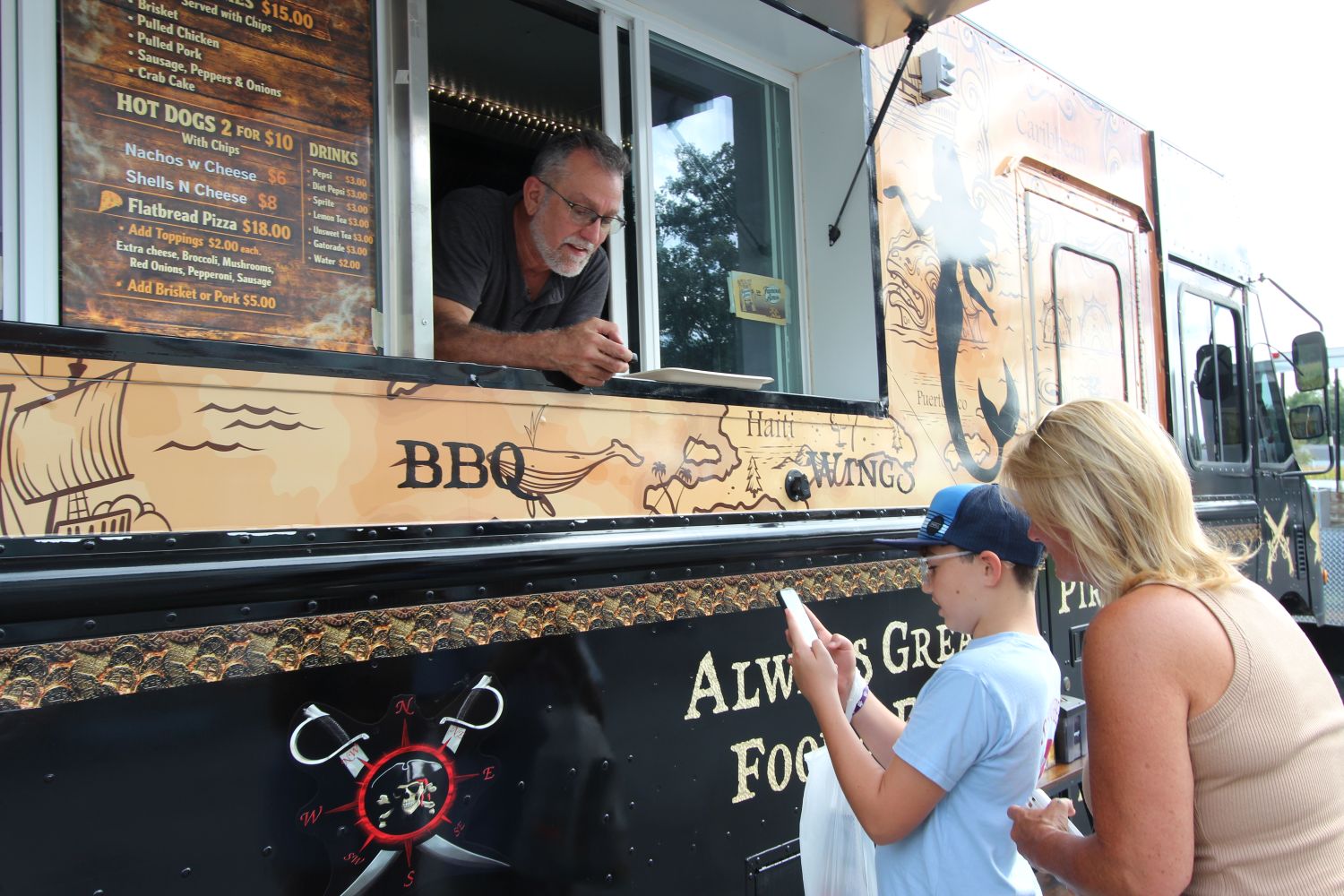
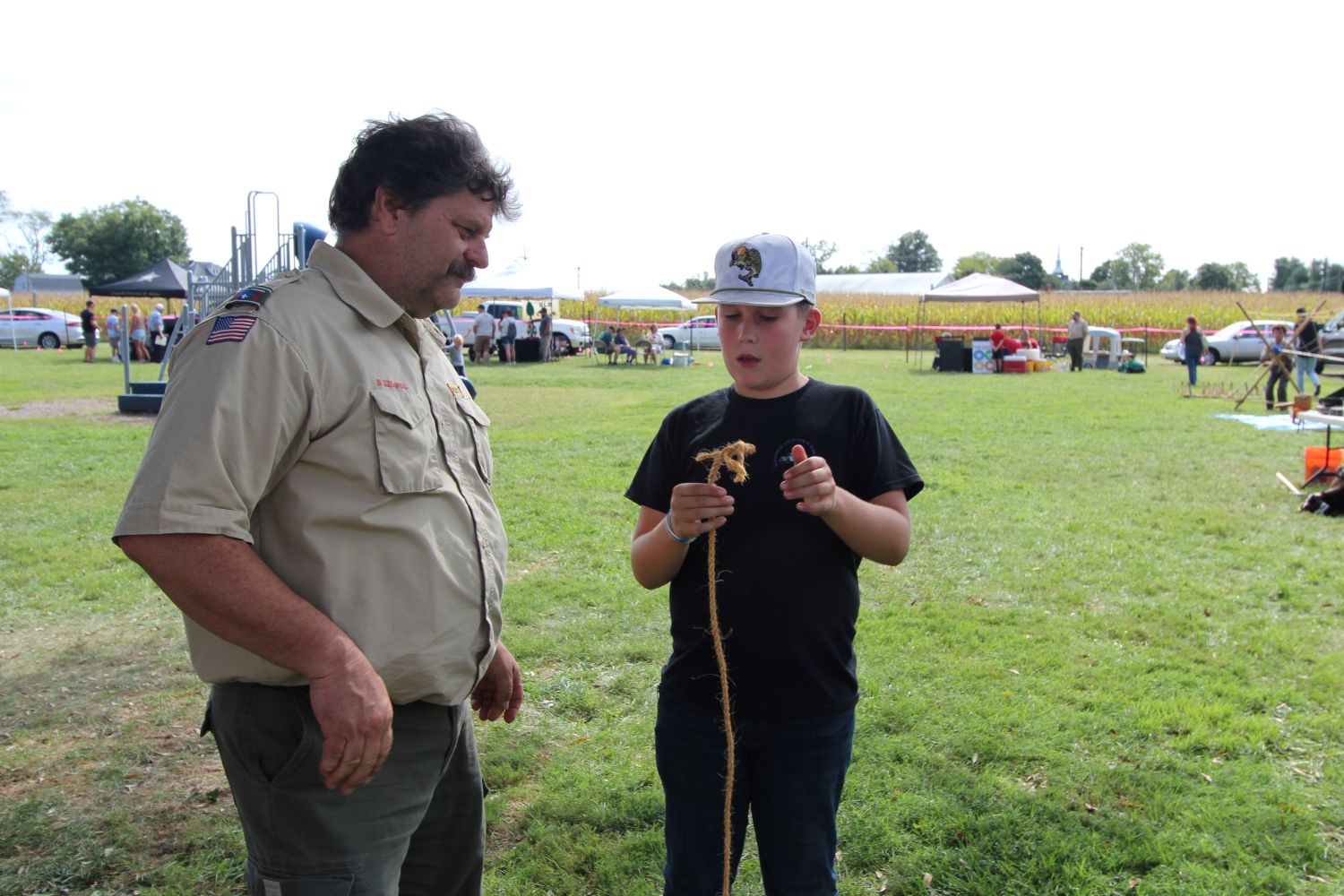
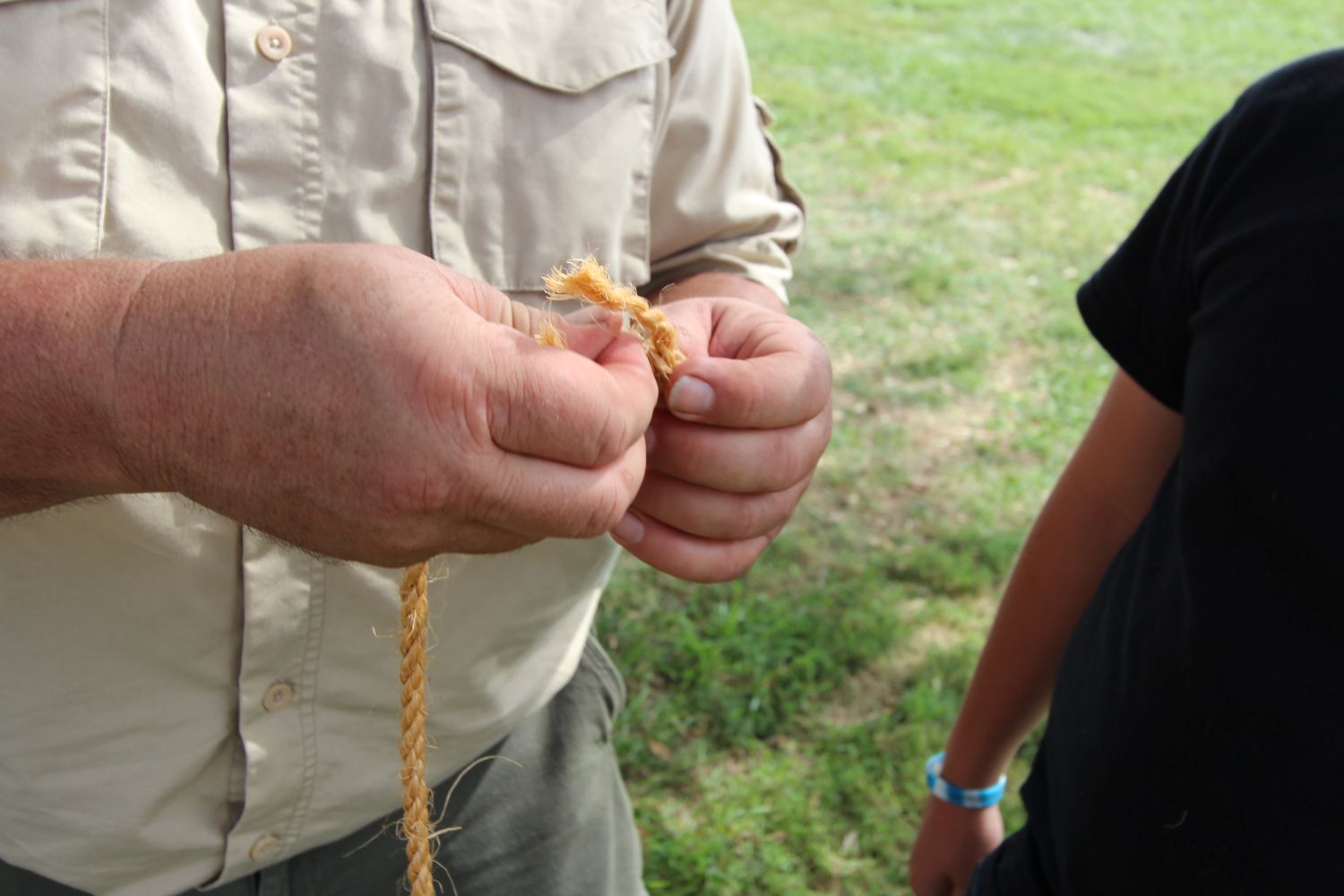
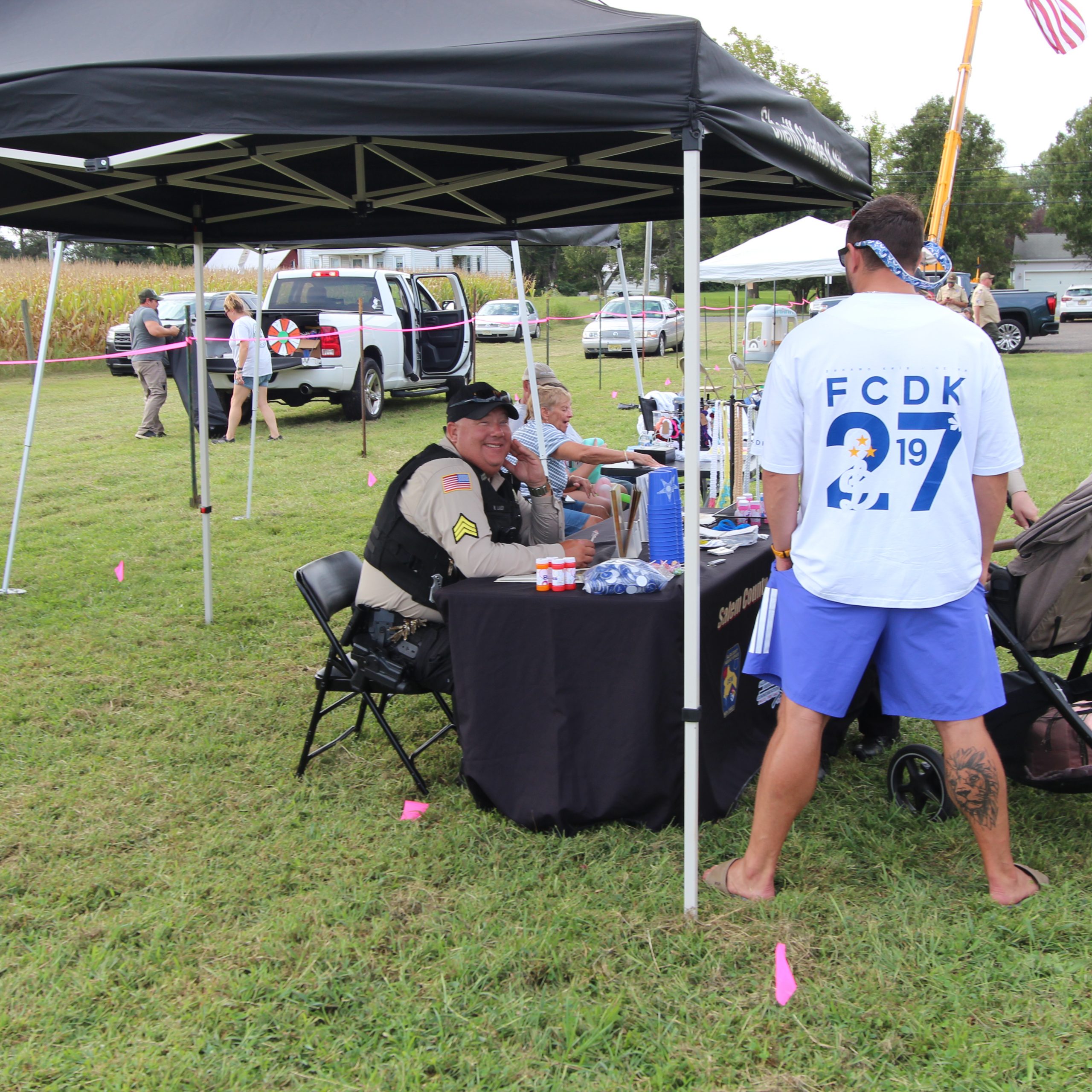
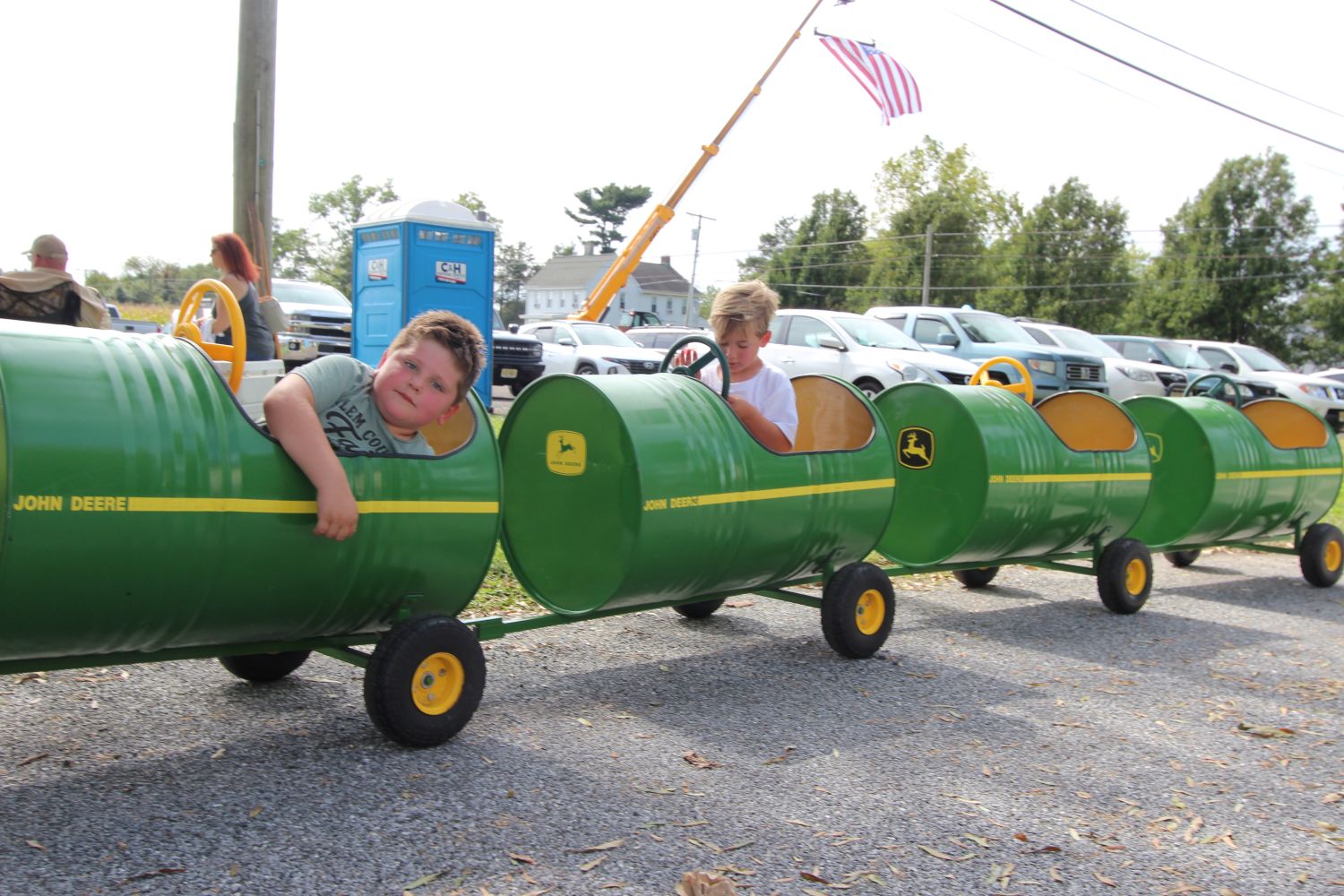
Stepping back outside after the tour, the school grounds were still full of their own small world. A food truck was doing steady business nearby; a Salem County Sheriff’s Office table sat close by, and the Upper Pittsgrove Historical Society had a tent set up with its own piece of the day’s history on display. About 100 yards away, Boy Scouts ran a rope making demonstration, twisting cord by hand for anyone curious enough to stop, while a John Deere pulled a train of barrels for kids to ride around the property.
Sending the cannon home, and an evening for the veterans
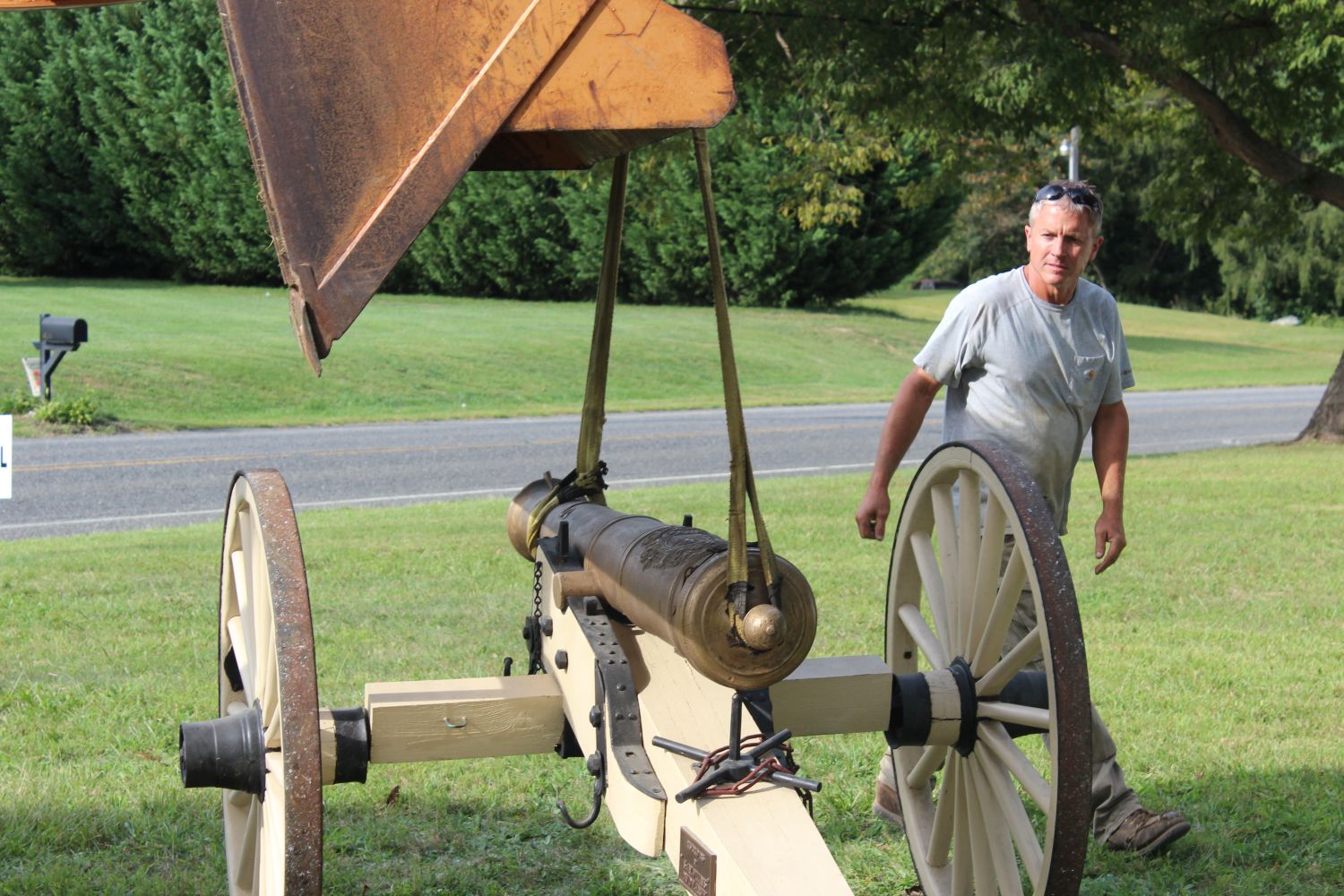
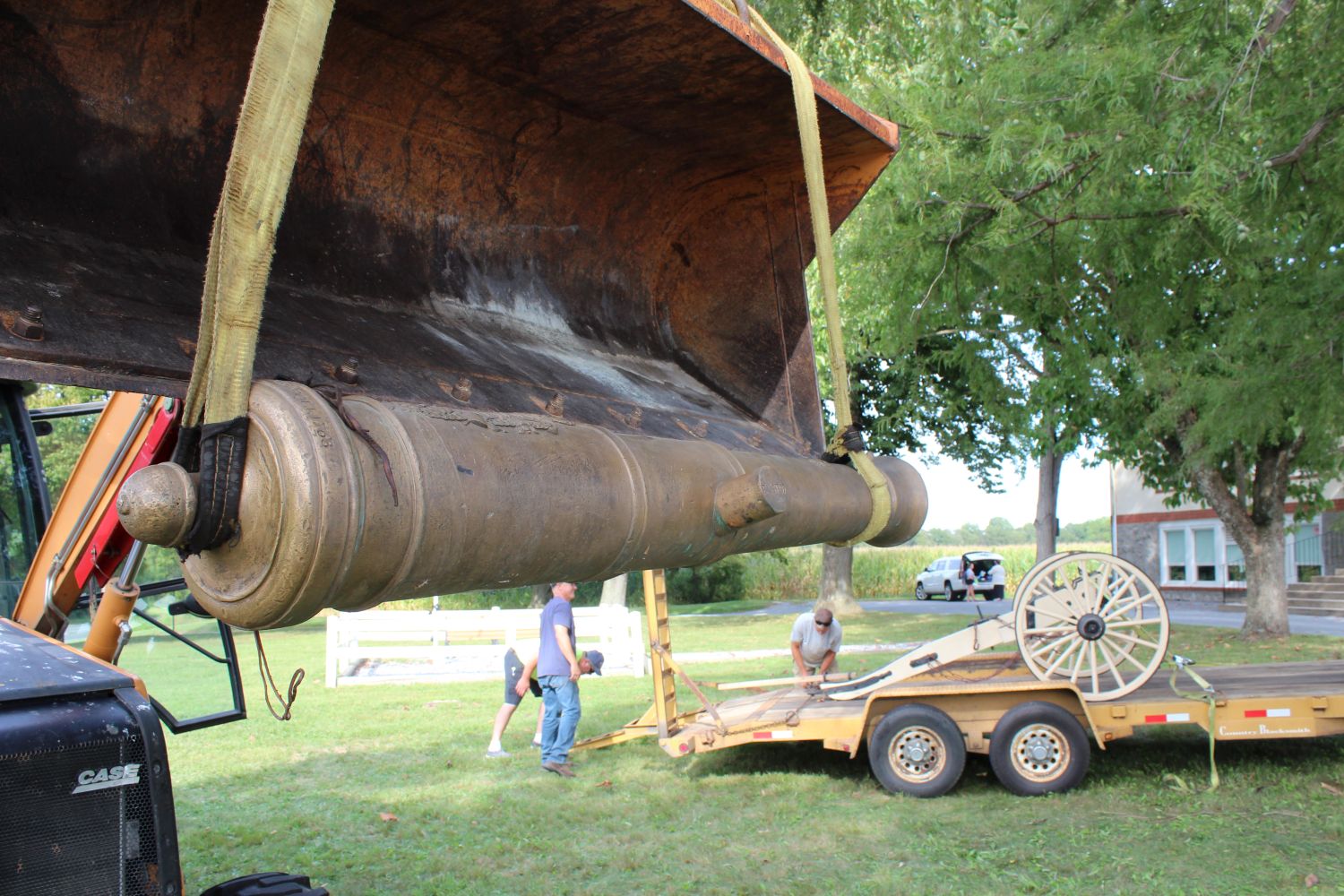
By the time the tour wound down, the cannon’s day at the festival was ending, too. Three local Upper Pittsgrove residents worked a bulldozer to lift the gun and its carriage together, easing them onto a trailer bed for the short trip back to its usual post in front of the Upper Pittsgrove Municipal Building.
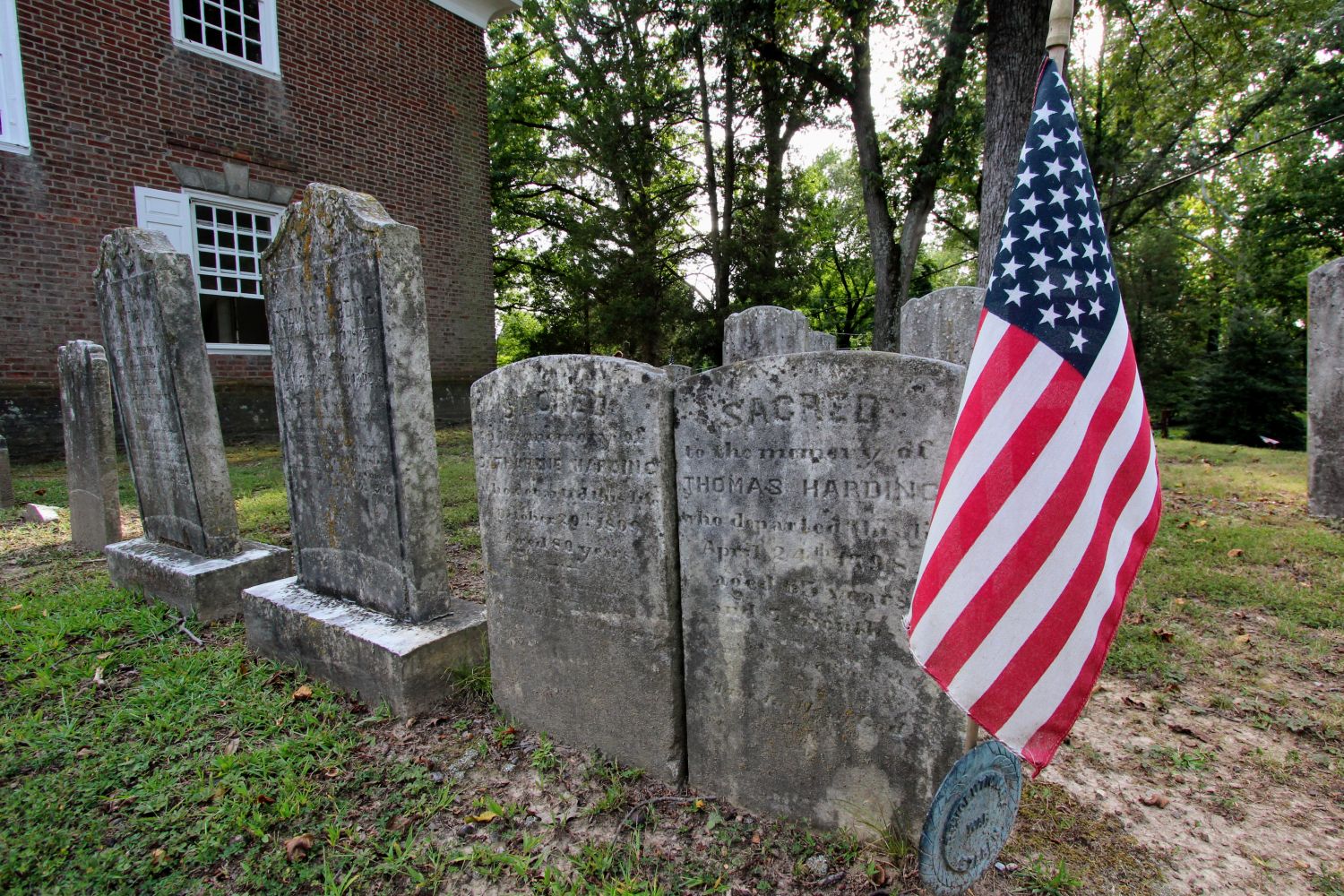
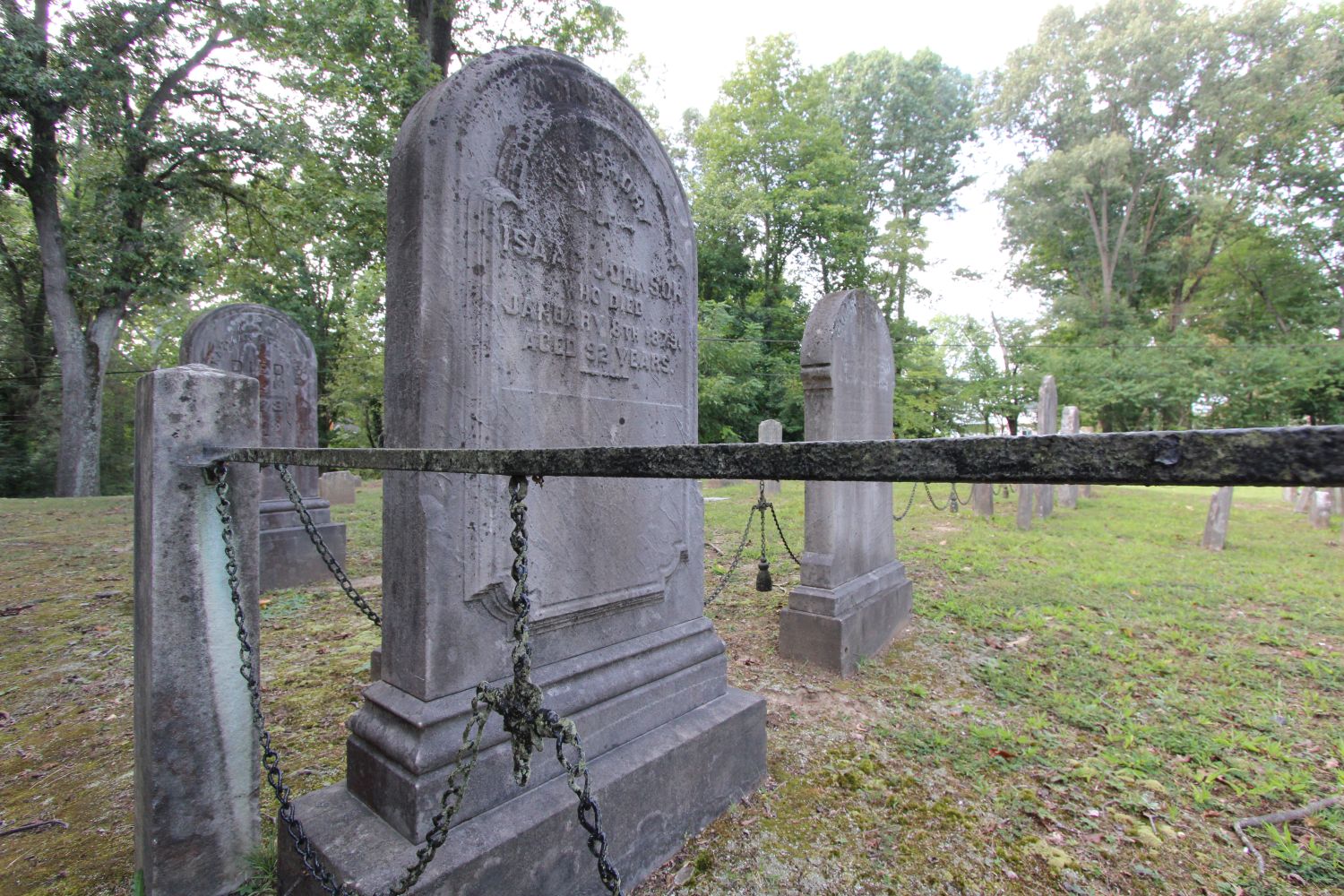
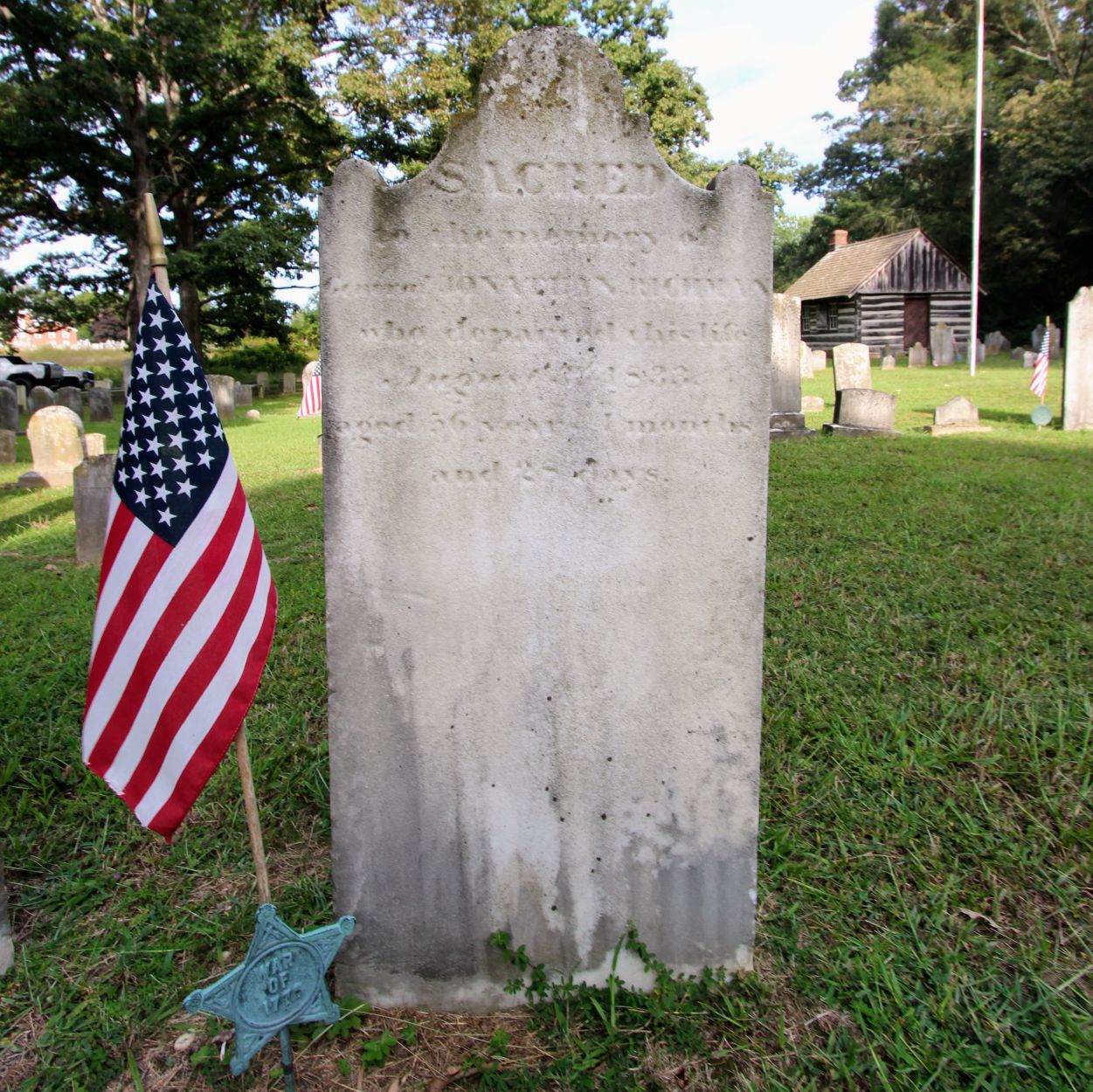
From there I headed to the Old Pittsgrove Presbyterian Church for the afternoon’s patriotic concert, where live, military-style music opened a tribute to the township’s fallen veterans, a list that stretches from the Revolution through the War of 1812, the Civil War, and into Vietnam. The most recently buried male veteran in the church’s cemetery is Charles A. Drake of Camden, who died in 2005. A woman rests there, too, buried in 2022; Mrs. Lois Elisabeth Graf Wilson, wife of Col. Samuel Mack Wilson, himself a veteran of World War II and Korea.
I paid my respects to the veterans, took in the historical costume contest that came with the concert, and stayed on a while longer just to photograph the grounds in the kind of quiet, late daylight that a hike out to Daretown earlier in the afternoon would have missed entirely.
Please do enjoy the plethora of photos taken during the latter stages of Daretown Day.
What a great day so many memories
Thanks